 English
 русский
 Español
 عربى
عربى
Rear bumper spring HP038 is compatible with a range of Subaru models, including the Exiga ...
HP001 Front Shock Absorber Bump Stop is a polyurethane (PU) component designed to provide ...
.jpg "HP001 Front Shock Absorber Bump Stop for Chevrolet")
HP001 Front Shock Absorber Bump Stop is a polyurethane (PU) component designed to provide ...
.jpg "HP002 Front Suspension Struts Components-Bumper for Chevrolet")
HP002 Front Suspension Struts Components-Bumper is a polyurethane (PU) part designed to su...
.jpg "HP003 Front Suspension Strut Bumper for Buick")
HP003 Front Suspension Strut Bumper is designed for use in the front suspension system of ...
-1.jpg "HP038 Rear Bumper Spring for Subaru")
Rear bumper spring HP038 is compatible with a range of Subaru models, including the Exiga ...
-1.jpg "HP039 Rear Suspension Control Arm Bumper for Subaru")
HP039 Rear Suspension Control Arm Bumper is a replacement component compatible with Subaru...
The primary performance difference between a short-stroke Absorber Bump Stop and a long-stroke Absorber Bump Stop is their ability to manage suspension compression range and energy absorption behavior. A short-stroke Absorber Bump Stop delivers faster engagement and higher initial resistance but of...
READ MOREThe standard Suspension Bump Stop generally feels firmer and engages more abruptly, while a microcellular Suspension Bump Stop provides a smoother, more progressive compression that improves ride comfort on rough roads and during suspension bottom-out. In practical terms, a microcellular bump stop ...
READ MOREWhen comparing a standard rubber Automotive Front Bump Stop with a heavy-duty reinforced Automotive Front Bump Stop, the reinforced version provides superior long-term suspension protection. While standard rubber is adequate for daily driving and light loads, heavy-duty reinforced options excel und...
READ MOREThe Subaru vehicle platform, renowned globally for its Symmetrical All Wheel Drive system, demands components that can withstand rigorous dynamic loads and challenging road conditions. At the core of its handling and stability lies the suspension system, where every part must perform flawlessly to maintain the vehicle's characteristic driver engagement and safety. Within this critical assembly, the Subaru Shock Absorber Bump Stop functions as a highly specialized, dynamic component, essential for the longevity of the damper unit and the overall ride comfort experienced by the occupants. Its design and material composition are testament to precision engineering, moving far beyond its simple appearance as a protective buffer.
Managing Extreme Dynamics and Suspension Travel
The primary operational purpose of the Subaru Shock Absorber Bump Stop is to act as a progressive limiter of compression travel. This role is crucial in preventing the shock absorber from "bottoming out." Bottoming out is a violent mechanical event that occurs when a wheel encounters a severe impact or depression, causing the suspension to rapidly compress to its physical limit. If this travel is unchecked, the metal components of the damper, specifically the piston rod and its housing, collide. This hard contact generates substantial noise, transmits a severe shock directly to the vehicle's structure and passengers, and leads to immediate, catastrophic damage to the automotive shock absorbers' internal seals, valves, and oil chambers.
The bump stop mitigates this impact by providing a progressive cushioning effect. As the suspension approaches its maximum compression point, the bump stop engages the piston rod, initiating a smooth, non linear resistance. This engineered compression characteristic is key; it ensures that the vehicle's kinetic energy is absorbed and dissipated gradually. This controlled deceleration is far superior to an abrupt stop, safeguarding the sensitive hydraulic components and the structural integrity of the suspension system. In effect, the bump stop turns a potentially damaging collision into a managed, controlled deceleration, preserving both the component's durability and the vehicle's handling stability.
The Superiority of Microcellular Urethane in Bump Stop Manufacturing
The effectiveness and sustained performance of the Subaru Shock Absorber Bump Stop depend almost entirely on its manufacturing material. Historically, bump stops were fabricated from basic dense rubber, which provided little in the way of progressive energy absorption. Modern requirements for enhanced safety and ride comfort have necessitated a shift towards advanced elastomers, predominantly Microcellular Urethane (MCU). MCU is a specialized Polyurethane foam structure characterized by millions of minute, closed cells.
This unique microcellular composition is the secret to its superior dynamic response. When subjected to load, the air within these closed cells is compressed, resulting in a resistance that increases exponentially with deformation. This mechanism provides the desired progressive stiffness, allowing the component to be soft during initial contact and become substantially stiffer as the compression deepens. This ability to modulate resistance across the travel range is vital for optimal suspension tuning. Moreover, MCU exhibits exceptional elasticity and minimal permanent set, meaning it returns to its original shape quickly and consistently after repeated, intense compression cycles, a critical factor for long term durability.
Beyond its mechanical attributes, the chemical resilience of the chosen material is paramount. A Subaru Shock Absorber Bump Stop operates in one of the most hostile environments in an automobile, constantly exposed to elements that accelerate degradation: high temperatures from braking, oil and chemical splashes, abrasive road grime, and corrosive environmental factors like ozone and road salt. The specialized Polyurethane formulation grants high resistance to these chemical and environmental stressors, preventing premature embrittlement, cracking, or softening. This chemical stability ensures the bump stop maintains its engineered density and damping properties throughout its intended service life, which is non negotiable for maintaining consistent vehicle control and safety.
The market for automotive suspension components is fiercely competitive, with success defined by both adherence to strict OEM specifications and the ability to provide reliable, high quality replacement parts to the aftermarket. For a specialized component like the Subaru Shock Absorber Bump Stop, maintaining geometric precision and material integrity is not just a matter of quality; it is directly linked to vehicle safety, handling precision, and customer satisfaction. The production of these components requires focused expertise and a strategic approach to repair solutions.
The Non negotiable Requirement for Manufacturing Precision
The design of the Subaru Shock Absorber Bump Stop is highly specific to the vehicle's weight, intended use, and shock absorber dimensions. Any variations in the height, diameter, or the internal cell structure of the Polyurethane material can critically alter the suspension's performance envelope. A bump stop that is too short may allow the shock to bottom out too easily, leading to harshness. Conversely, one that is too tall or too stiff will prematurely restrict the suspension's normal range of motion, resulting in a constantly firm and potentially uncomfortable ride comfort while simultaneously overstressing the damper's hydraulic system. Precision manufacturing, therefore, is essential to ensure that every replacement part replicates the exact operational characteristics of the original equipment.
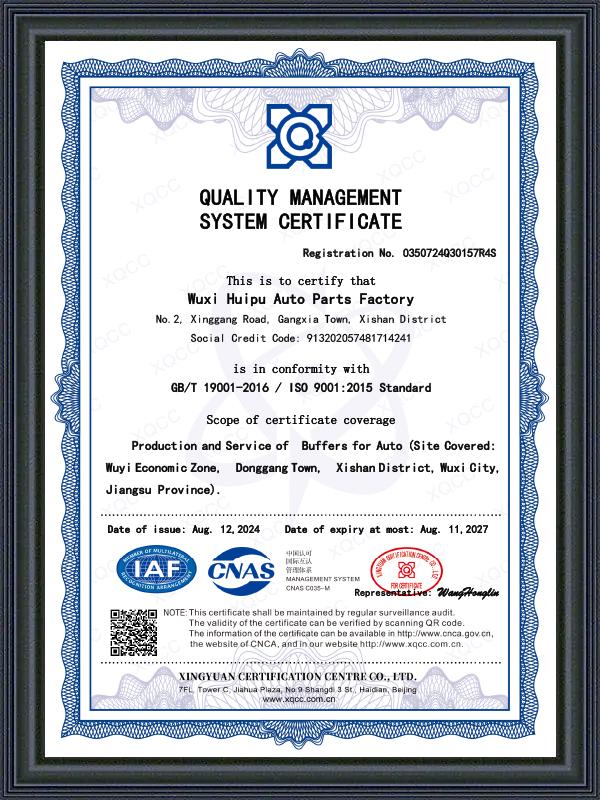
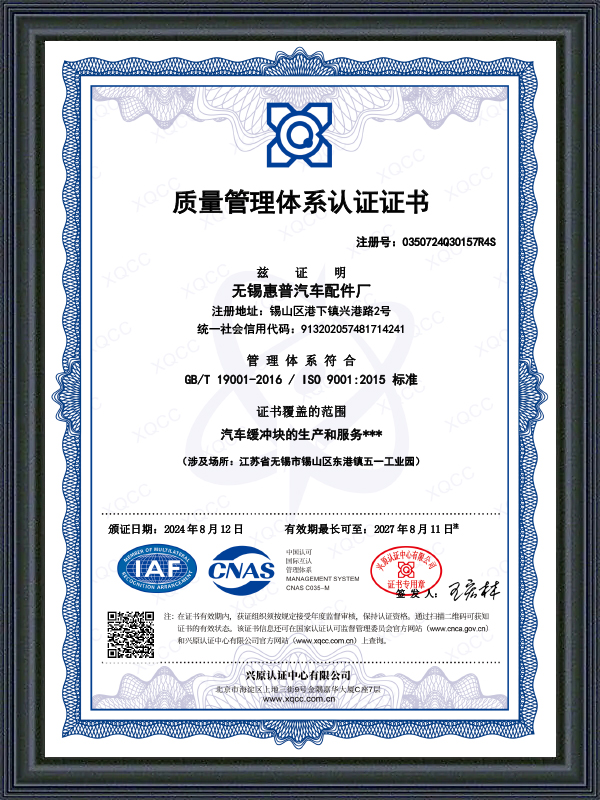
This level of detailed manufacturing demands dedicated expertise. The specialization in these elastomeric components allows companies to focus their research and development efforts on perfecting material compounds, mold technology, and quality assurance protocols. Founded in 2001, Wuxi Huipu Auto Parts Co., Ltd. specializes in manufacturing bump stops for automotive shock absorbers. As a professional China Subaru Shock Absorber Bump Stop Manufacturers and Subaru Shock Absorber Bump Stop Factory, they have built a diverse portfolio of over 3,000 products, demonstrating the commitment required to meet the varied needs of modern vehicle platforms, serving both OEMs and the aftermarket. Their focus on this niche allows them to deliver products with superior durability and consistent performance.
The Strategic Value of Integrated Repair Solutions
In the current automotive service sector, the trend is moving towards comprehensive, all inclusive repair solutions that simplify the maintenance process for mechanics and consumers. Replacing a shock absorber is a labor intensive process, and prudent repair practice dictates that associated perishable components, particularly the Subaru Shock Absorber Bump Stop and the protective dust cover, should be replaced simultaneously. Recognizing this need, providers have begun offering integrated repair kits.
The logical synergy between packaging the bump stops and dust covers cannot be overstated. The dust cover, typically a flexible thermoplastic sleeve, protects the critical piston rod seals from contamination by road grit, salt, and moisture. If these seals are damaged, the hydraulic fluid inside the shock absorber will leak, leading to rapid and complete failure of the damper. By bundling the bump stop and the dust cover into a single kit, the manufacturer ensures that the mechanic has all the necessary components for a complete, effective repair. This simple strategy significantly reduces the chance of premature failure of the new automotive shock absorbers due to old, perished bump stops or compromised seals, thereby promoting the long term durability and reliability of the entire suspension system. The offering of such integrated repair kits is a critical differentiator in the competitive global aftermarket, reflecting a commitment to comprehensive customer service and superior product quality. This strategic approach ensures that every repair job contributes to optimal vehicle safety and handling.

 Add: Wuyi Industrial Park, Donggang Town, Wuxi, Jiangsu, China.
 +86-510-88350093
 [email protected]
 +86-510-88766081
Copyright © 2025 Wuxi Huipu Auto Parts Co., Ltd. All Rights Reserved.
 Wholesale Subaru Shock Absorber Bump Stop Manufacturers
