

The standard Suspension Bump Stop generally feels firmer and engages more abruptly, while a microcellular Suspension Bump Stop provides a smoother, more progressive compression that improves ride comfort on rough roads and during suspension bottom-out.
In practical terms, a microcellular bump stop acts like a secondary spring with a gradual compression curve. This means passengers experience less harshness when the suspension reaches its travel limit. A traditional Suspension Bump Stop, especially one made from solid rubber or dense polyurethane, tends to transmit more impact force into the chassis and cabin.
For drivers prioritizing comfort, especially on potholes, speed bumps, gravel roads, or loaded vehicles, a microcellular Suspension Bump Stop is usually the better choice. However, a firmer standard bump stop can offer more direct suspension feedback and durability in heavy-duty or performance-oriented setups.
Understanding How a Suspension Bump Stop Affects Ride Comfort
A Suspension Bump Stop is a component mounted on the suspension system to limit suspension travel and prevent metal-to-metal contact when the suspension compresses fully. It works alongside the spring and shock absorber to control extreme suspension movement.
Ride comfort is influenced by how gradually or abruptly the bump stop engages. If the bump stop compresses progressively, the impact energy is absorbed smoothly. If it is too stiff, the vehicle can feel harsh or jarring when hitting large bumps.
This is why the material and construction of the bump stop matter just as much as its size or shape.
What Makes a Microcellular Suspension Bump Stop Different?
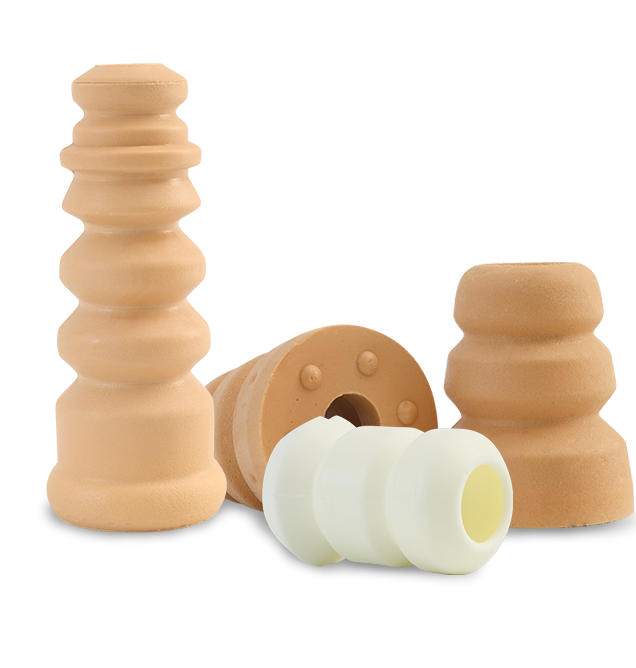
A microcellular Suspension Bump Stop is made from a foam-like elastomer containing tiny air cells. These cells compress under load, allowing the bump stop to absorb energy progressively instead of stopping suspension travel abruptly.
The key difference is the progressive spring rate:
- Initial compression is soft and comfortable.
- Resistance increases as compression deepens.
- Bottom-out forces are reduced before the suspension reaches its hard stop.
In contrast, a standard solid bump stop often has a more linear or steep compression curve, so the suspension feels firmer as soon as the bump stop engages.
This difference is especially noticeable in vehicles with limited suspension travel, such as compact SUVs, vans, and loaded pickup trucks.
Direct Comparison: Standard vs Microcellular Suspension Bump Stop
| Feature | Standard Suspension Bump Stop | Microcellular Suspension Bump Stop |
|---|---|---|
| Initial softness | Firm | Soft and compliant |
| Impact absorption | Moderate | Excellent |
| Bottom-out harshness | More noticeable | Reduced significantly |
| Suspension feel | More direct and firm | Smoother and more refined |
| Noise and vibration | Slightly higher | Lower NVH |
| Durability under heavy loads | Very good | Good to very good |
| Best use case | Heavy-duty/performance | Comfort and mixed driving |
For everyday driving comfort, the microcellular Suspension Bump Stop is typically superior because it cushions impacts more gradually.
Real-World Ride Comfort Differences
City driving and potholes
In urban driving, suspension systems frequently encounter sharp impacts from potholes and speed bumps. A standard Suspension Bump Stop may cause a noticeable "thud" when the suspension compresses deeply. A microcellular version softens this event, making the impact feel more muted and controlled.
Drivers often describe the difference as:
- Standard bump stop: "sharp" or "firm."
- Microcellular bump stop: "controlled" or "plush."
Highway expansion joints
On highways, the difference is subtler. Standard bump stops rarely engage during normal cruising, so ride comfort depends more on springs and dampers. However, when carrying passengers or cargo, the suspension sits lower and bump stops engage more often. In this situation, microcellular bump stops help maintain a smoother ride.
Off-road and rough terrain
During off-road driving, suspension travel is used aggressively. A microcellular Suspension Bump Stop reduces the shock felt when the suspension bottoms out after a dip or jump. This can reduce driver fatigue and improve vehicle control on corrugated trails or rocky terrain.
However, some off-road enthusiasts prefer firmer bump stops for more predictable suspension behavior during extreme compression events.
The Role of the Shock Absorber Bump Stop
The term shock absorber bump stop refers to a bump stop integrated with or mounted near the shock absorber. Its job is to protect the shock from damage during full compression while also contributing to ride control.
A microcellular shock absorber bump stop can noticeably improve suspension refinement because it works directly in the damping system’s compression path. When the shock reaches the end of its stroke, the bump stop absorbs remaining energy progressively, reducing harsh rebound and impact transmission.
In contrast, a firm rubber shock absorber bump stop may protect the shock effectively but can create a sharper transition at full compression.
Does Softer Always Mean Better?
Not necessarily. Ride comfort is important, but suspension control matters too. A very soft bump stop can allow excessive suspension movement before resistance builds, which may:
- Increase body roll.
- Reduce steering precision.
- Make the vehicle feel less stable under heavy loads.
This is why manufacturers tune microcellular bump stops carefully. The goal is not to make them soft all the way through travel, but to create a progressive increase in resistance.
A well-designed microcellular Suspension Bump Stop can improve comfort without sacrificing stability.
Which Suspension Bump Stop Is Best for Your Vehicle?
Choose a microcellular Suspension Bump Stop if you:
- Prioritize ride comfort and refinement.
- Drive frequently on rough roads or potholes.
- Carry passengers regularly.
- Use the vehicle for long-distance commuting or touring.
- Want reduced cabin harshness and noise.
Choose a standard Suspension Bump Stop if you:
- Need maximum durability under heavy towing or payloads.
- Prefer a firmer, more connected suspension feel.
- Use the vehicle for performance driving where precise suspension response is important.
- Operate in extremely harsh environments where solid materials may last longer.
A Practical Example
Imagine two identical SUVs driving over a 3-inch speed bump at 25 mph:
- The SUV with a standard Suspension Bump Stop compresses quickly, the bump stop engages firmly, and occupants feel a noticeable jolt.
- The SUV with a microcellular Suspension Bump Stop compresses similarly at first, but the bump stop absorbs energy progressively, so occupants feel a softer, more controlled motion.
The difference may only last a fraction of a second, but over thousands of bumps, it significantly changes perceived ride quality.
A microcellular Suspension Bump Stop generally offers better ride comfort because it compresses progressively and absorbs impacts more smoothly. It reduces harshness, improves refinement, and works especially well for daily driving, rough roads, and loaded vehicles.
A standard Suspension Bump Stop, while firmer, can provide stronger support and durability for heavy-duty or performance applications. The best choice depends on your priorities:
- Comfort-focused drivers: choose microcellular.
- Heavy-duty or performance-focused drivers: choose a firmer standard bump stop.
For most everyday vehicles, the microcellular design delivers the best balance of comfort, control, and protection.
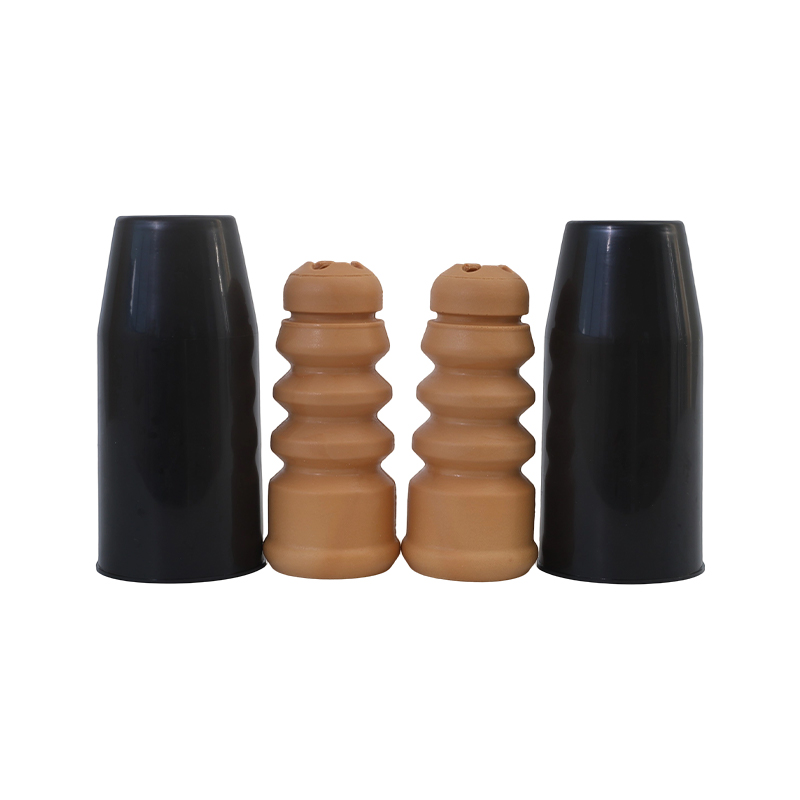
.jpg "HP017 Rear Suspension Bump Stop for Volkswagen")
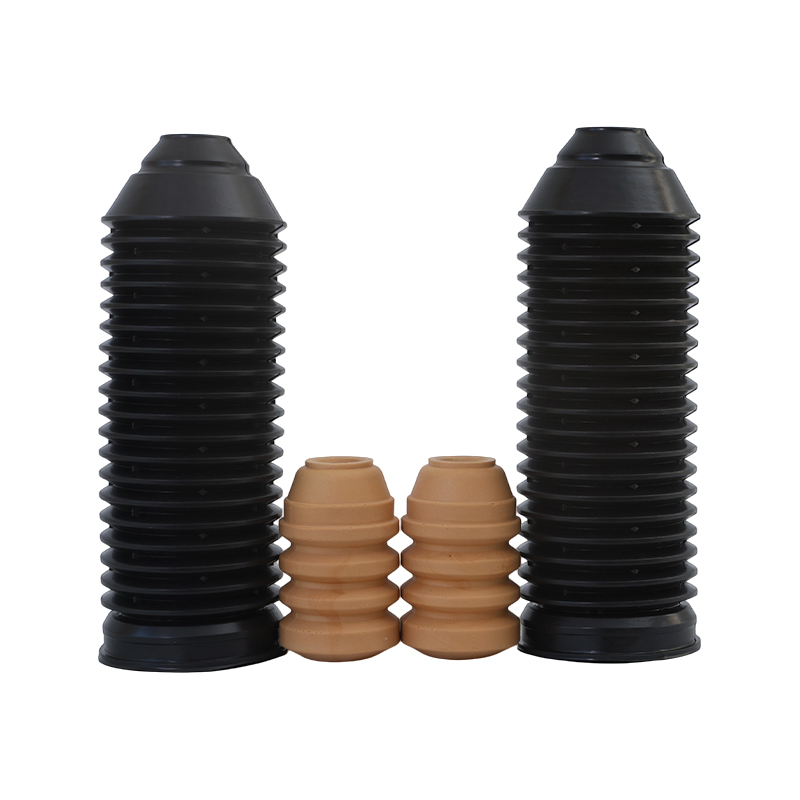
.jpg "HP040 Rear Spring Bumper Absorber Stopper Shaft Bush")
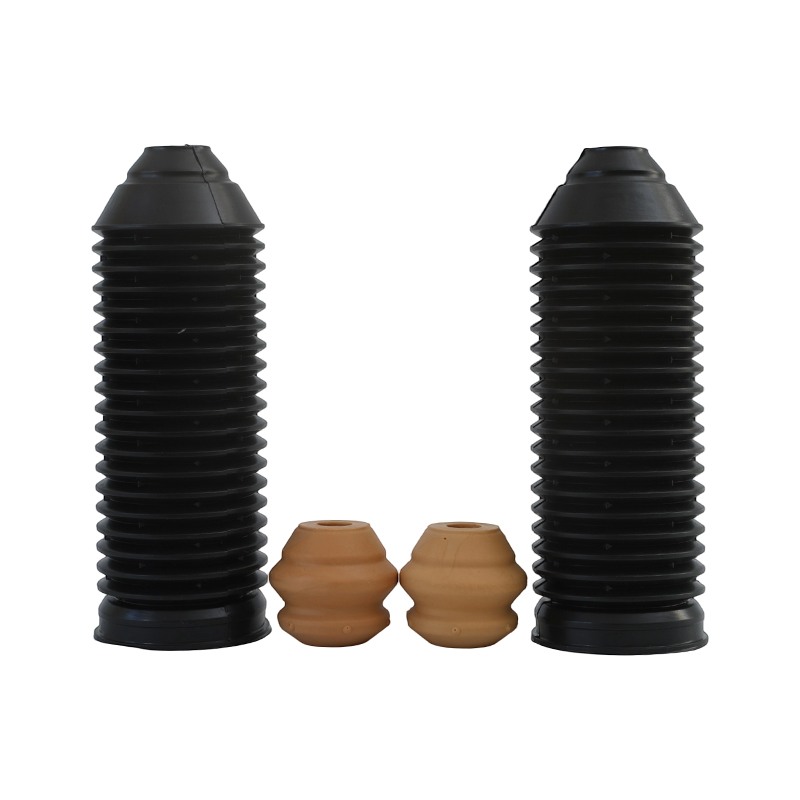
.jpg "HP012 Front Shock Absorber Auxiliary Spring Bump Stop for Mercedes-Benz")
-3.jpg "Are Automotive Bump Stops Necessary? A Comprehensive Guide to Function, Types, and Replacement")
-1.jpg "What is a bump stop in a car, and what is its function in a vehicle's suspension system?")
.jpg "Peugeot Shock Absorber Bump Stop: Function, Replacement, and Common Issues")



