 English
 русский
 Español
 عربى
عربى

Introduction to Bump Stops
When it comes to maintaining your American car's shock absorber bump stops, certain components are easy to overlook. While shock absorbers and struts often get the spotlight in suspension discussions, bump stops play an equally important role in protecting your vehicle's suspension and improving ride quality.
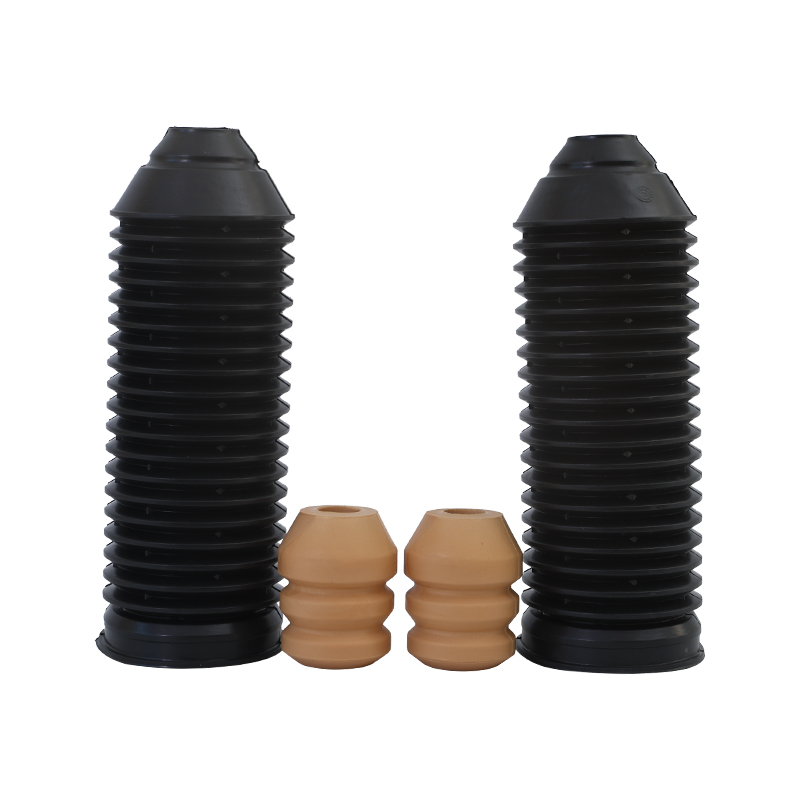
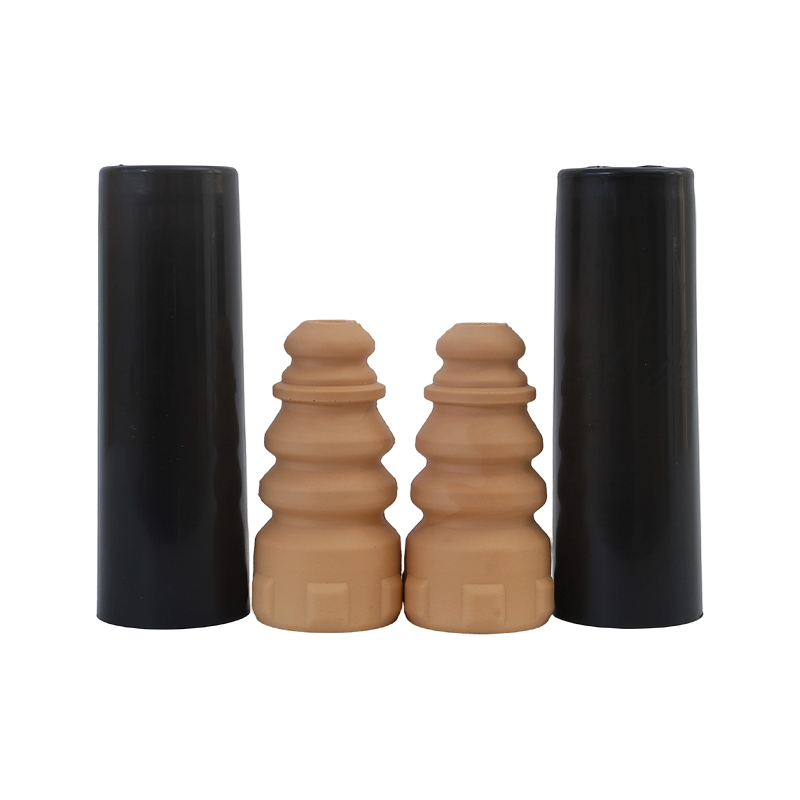
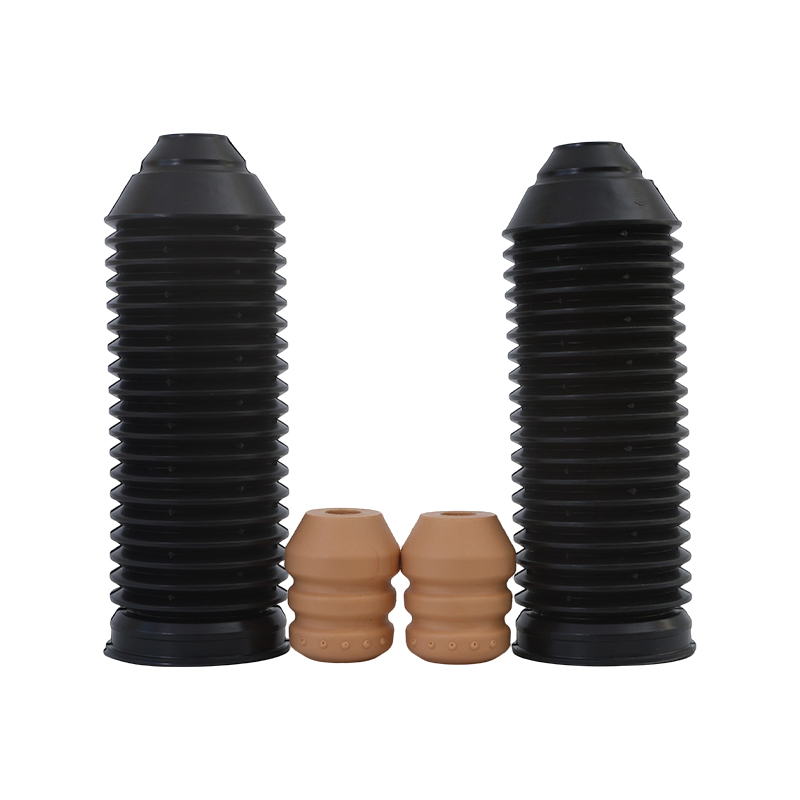
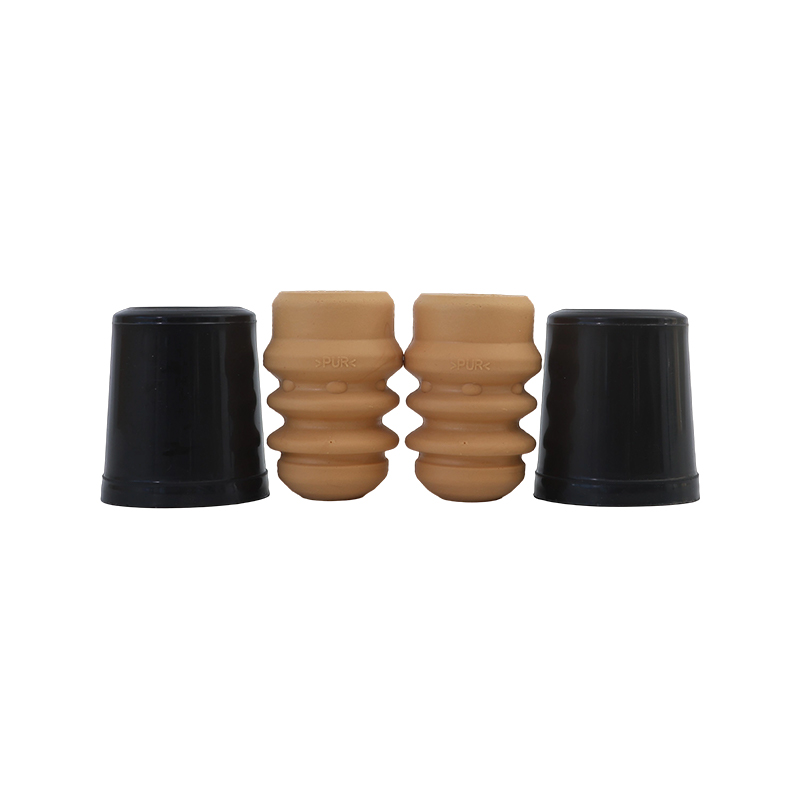
Bump stops are simple but highly effective components designed to prevent excessive compression of your car’s suspension. Positioned strategically within the suspension system, these parts absorb the impact when the shock absorbers reach their limit of travel, acting as a cushion to protect your suspension components from damage. Without functional bump stops, the shock absorbers would be subjected to extreme pressure, resulting in unnecessary wear and tear, and ultimately a rougher ride.
The Role of Bump Stops in the Suspension System
The suspension system in any vehicle, especially American cars, is designed to provide a smooth and stable ride by absorbing shocks and vibrations from the road. However, no matter how advanced the suspension components are, there are certain limits to how much travel and impact they can handle. This is where bump stops come into play. These simple, yet vital components are integral to the suspension system’s performance and longevity.
Protecting Shock Absorbers from Damage
One of the primary functions of bump stops is to protect the shock absorbers and other suspension components from damage by limiting the travel of the suspension. When a car drives over rough terrain, hits a pothole, or goes over a large bump, the shock absorbers compress to absorb the impact. But there’s a limit to how much compression they can handle.
If the suspension compresses too far, it could damage the shock absorbers, struts, or other sensitive components. This is where bump stops act as a safeguard. Positioned at the end of the suspension travel, bump stops prevent the shock absorbers from bottoming out. They cushion the suspension system before it reaches its full range of motion, preventing the harsh impacts that could lead to costly repairs.
For example, if a shock absorber were to compress completely without a bump stop, the internal components could slam against each other, leading to metal-on-metal contact that wears out seals, damages pistons, and may even crack the housing. With bump stops in place, this extreme compression is avoided, and the shock absorber can continue to function as intended, protecting both the vehicle and the passenger.
Improving Vehicle Handling and Stability
Beyond protection, bump stops play a significant role in improving a vehicle’s handling and stability. By controlling the final stage of suspension travel, bump stops ensure that the vehicle’s suspension doesn’t over-extend or “bottom out,” which can cause the car to become unstable. In situations like sharp turns, sudden braking, or aggressive driving, a vehicle without functioning bump stops could feel overly stiff or unresponsive, leading to a rougher driving experience.
In performance-oriented American cars, such as muscle cars or sports sedans, bump stops are crucial for maintaining control during high-speed maneuvers or when cornering. They contribute to a more balanced suspension, allowing for better traction and control over the vehicle. In short, bump stops ensure that the suspension remains within its optimal working range, improving the car’s overall dynamics.
Contributing to Ride Comfort
Another essential role of bump stops is their contribution to ride comfort. As a part of the suspension system, bump stops work to ensure a smoother ride by reducing the amount of force that reaches the vehicle’s frame and body. Without them, the vehicle’s suspension would abruptly hit its maximum compression point, leading to a jarring, uncomfortable ride for passengers.
In the context of American cars, which are often designed with a focus on comfort and smooth cruising, bump stops help maintain that desirable cushioned feel, especially on longer drives or when navigating uneven road surfaces. While shock absorbers handle most of the impact from bumps and potholes, bump stops step in at the end of the compression cycle to soften the transition and prevent any harsh impacts.
The cushioning effect of bump stops is particularly noticeable when driving on uneven or poorly paved roads. For instance, when the suspension reaches its travel limit after hitting a large bump, the bump stop will compress and absorb the remaining energy, preventing the body of the vehicle from slamming into the suspension’s hard stops. This ensures that passengers experience a more comfortable, controlled ride without feeling every bump and ripple in the road.
Preventing Suspension Wear and Tear
Over time, driving on rough roads or putting heavy stress on the suspension system can cause wear and tear on various components. Without bump stops to act as a buffer, suspension components like shock absorbers, coil springs, and control arms may experience excessive stress. This leads to premature wear, reduced lifespan of parts, and ultimately, a more costly repair job.
By absorbing the last bit of impact and limiting the extreme compression of suspension components, bump stops significantly reduce the overall stress placed on the suspension system. This contributes to a longer lifespan for the shock absorbers and other critical parts. In American cars, where suspension components are often designed for both performance and durability, bump stops are key to maintaining a balance between comfort and longevity.
Types of Bump Stops and Their Functions
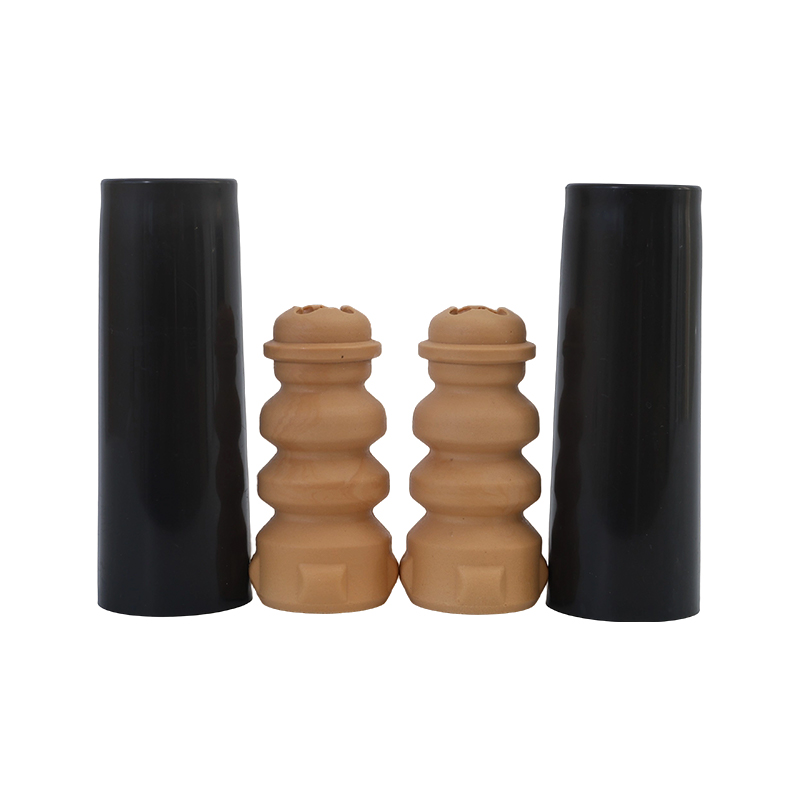
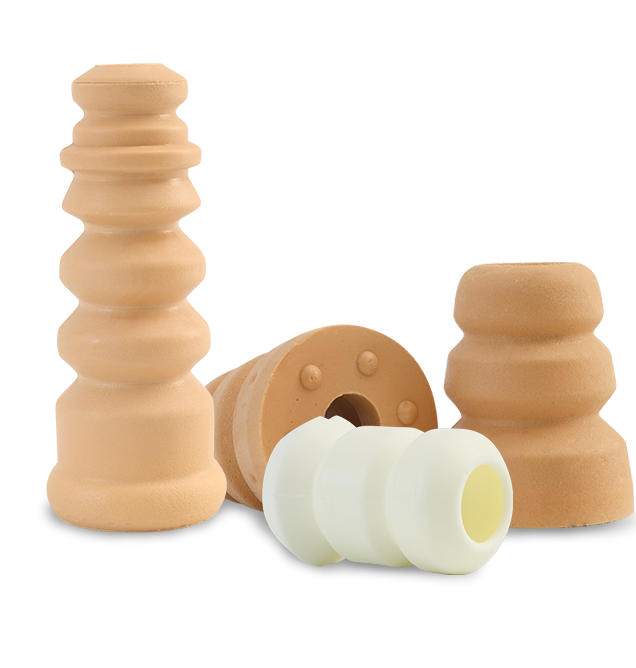
It’s important to note that not all bump stops are created equal. The material and design of a bump stop can impact its effectiveness, lifespan, and overall contribution to the suspension system. Bump stops can be made from various materials, such as rubber, urethane, or even foam, each offering unique benefits.
Rubber Bump Stops: Traditional and commonly used, rubber bump stops provide a soft, flexible cushion that absorbs impact effectively. They are cost-effective and offer good durability for most everyday driving needs.
Urethane Bump Stops: Urethane is a more rigid material compared to rubber, which makes urethane bump stops more durable and capable of handling higher-impact situations. These are often preferred for performance vehicles or trucks that carry heavy loads or frequently drive over rough terrain.
Foam Bump Stops: Lightweight and generally softer than rubber or urethane, foam bump stops are often used in off-road or racing applications where the suspension needs to be extremely responsive.
Each type of bump stop offers different advantages, and the right choice depends on your vehicle’s needs, the kind of driving you do, and how much stress you place on your suspension system.
Signs of Worn or Damaged Bump Stops
Like any other component in your vehicle’s suspension system, bump stops can wear out over time. Since bump stops are constantly subjected to pressure, vibration, and impact from road conditions, their longevity depends on several factors, including the material they’re made from, driving conditions, and how well they’re maintained. Identifying the signs of worn or damaged bump stops early can save you from more expensive repairs and ensure your vehicle’s suspension continues to function at its best.
Clunking Noises During Bumps or Rough Roads
One of the most common signs that your bump stops are damaged or worn out is the presence of clunking or knocking noises when driving over bumps or rough patches of road. This occurs when the suspension reaches its limit of travel and the shock absorbers or struts bottom out. If the bump stops are no longer able to cushion the compression, the suspension components may collide directly with each other, causing metal-on-metal contact that produces a clunking sound.
These noises may be especially noticeable when going over potholes, speed bumps, or uneven surfaces. If you hear a loud clunk or thud after hitting a bump, it’s likely that the bump stops have either deteriorated or become dislodged. Over time, this issue can lead to further suspension damage, including to the shock absorbers and other critical components.
Excessive Bouncing or Uneven Ride Quality
Another telltale sign of damaged bump stops is excessive bouncing or an uneven ride quality, especially when driving over rough terrain. When bump stops lose their cushioning ability, they fail to absorb the final compression of the suspension. As a result, the suspension components can travel further than intended, causing the car to bounce or rebound excessively after hitting bumps.
If you notice that your vehicle feels "bouncy" or “floaty,” particularly after hitting bumps or dips in the road, your bump stops may no longer be doing their job effectively. This can be especially noticeable at higher speeds or during turns, where stability is key. Excessive bouncing can also lead to instability in handling, which compromises both safety and comfort.
Visible Cracks, Tears, or Deterioration
Physical inspection is one of the best ways to determine if your bump stops are worn or damaged. Over time, rubber bump stops can crack, tear, or become brittle due to exposure to heat, road salts, moisture, and other environmental factors. If you inspect the bump stops and notice any visible signs of cracking, tearing, or dry rot, it’s an indication that they are no longer providing the necessary protection for your suspension system.
Urethane bump stops, while generally more durable, can also show signs of wear, such as surface damage or hardening. A bump stop that’s too hard or brittle may not compress properly, rendering it ineffective in absorbing shocks and protecting the suspension components. In either case, a damaged or deteriorated bump stop will need to be replaced to maintain optimal performance.
Visible Deterioration of the Surrounding Suspension Components
If your bump stops are worn out or missing, you may begin to notice visible damage to other parts of the suspension system. Shock absorbers, control arms, and struts could show signs of scratches, dents, or leaking fluid. This is because, without the cushioning effect of the bump stops, the suspension components take on more of the load when the vehicle encounters bumps or rough surfaces.
For example, shock absorbers that are subjected to constant bottoming out may develop oil leaks, indicating that the internal seals have been damaged. If you notice any suspension components exhibiting signs of excessive wear, it's essential to check the bump stops as well. The failure of one part of the suspension system often indicates that other parts are being overburdened, leading to a cascade of issues.
Increased Suspension Stiffness or Harsh Ride
A stiff or overly harsh ride is another indication that your bump stops may no longer be functioning properly. When bump stops wear out or become damaged, the suspension system may not be able to absorb impacts as efficiently. This can cause the ride to feel much stiffer than usual, as the shock absorbers are forced to take on more of the load.
In American cars, which are often designed for a balance of comfort and performance, a change in ride quality can be especially noticeable. If you find that the ride has become unusually rough, even on relatively smooth roads, it’s worth checking your bump stops. A harsher ride may also result from the suspension reaching its maximum travel limit and bottoming out, causing a shock to the vehicle’s frame, which would normally be absorbed by the bump stops.
Unusual Suspension Behavior During Turns or Braking
Worn or missing bump stops can lead to unpredictable suspension behavior when turning or braking. Since bump stops help maintain the suspension’s range of motion, their failure can cause the suspension to behave erratically during dynamic driving conditions. You may notice that the car dips or leans more than usual during turns, or that it feels unstable when braking hard. These symptoms often indicate that the suspension is experiencing more movement than it should, which could be a direct result of damaged bump stops.
This issue can be particularly noticeable in performance vehicles, like American muscle cars or sports sedans, where precise suspension control is key to handling. If the vehicle feels "loose" or doesn’t respond as crisply as it should during turns, it may be time to inspect the bump stops and other suspension components.
Increased Wear on Tires
In some cases, worn bump stops can also contribute to uneven tire wear. If the suspension components are bottoming out or overextending due to ineffective bump stops, the tires may make more contact with the road in places they shouldn’t. This can lead to uneven wear patterns, particularly on the edges of the tires or in areas where the suspension components are taking excessive strain.
Uneven tire wear is a clear sign that your suspension system is not functioning as it should. If you spot signs of uneven wear, especially in the areas around the tires where suspension components are closest, it’s worth checking the bump stops and getting them replaced if necessary.
Increased or Abnormal Noise While Driving
Lastly, if you experience an increase in general suspension noise—whether it's squeaks, creaks, or rubbing sounds—this could indicate that the bump stops are no longer providing adequate cushioning. Over time, the material of the bump stops can wear down, causing them to become less effective at absorbing impacts. As a result, the suspension components may rub against each other or make noise when they move beyond their intended travel range.
If the vehicle is making unusual noises, particularly when driving over bumps or changes in terrain, it’s worth inspecting the bump stops and replacing them if necessary.
Choosing the Right Bump Stops for Your American Car
When it comes to vehicle maintenance and suspension upgrades, bump stops might not always be the first thing on your mind. However, choosing the right bump stops is essential for maintaining the smoothness, stability, and longevity of your American car’s suspension system. The correct bump stops can improve ride comfort, prevent unnecessary wear on your suspension components, and protect your shock absorbers from damage.
OEM vs. Aftermarket Bump Stops
The first major decision when choosing bump stops is whether to go with OEM (Original Equipment Manufacturer) or aftermarket parts. Both options have their advantages and drawbacks, depending on your vehicle’s needs, driving habits, and budget.
OEM Bump Stops: OEM bump stops are the same ones that came with your car from the factory. These parts are designed to match the specifications of your vehicle, ensuring perfect compatibility. If you’re looking for a replacement that offers the same performance and ride quality as your original bump stops, OEM parts are the safest bet. They are generally reliable and offer long-lasting performance.
Pros:
- Exact fit and compatibility.
- Consistent performance.
- Often backed by the manufacturer’s warranty.
Cons:
- May be more expensive compared to aftermarket options.
- Limited variety in terms of materials or upgrades.
Aftermarket Bump Stops: Aftermarket bump stops are produced by third-party manufacturers and are designed to fit a variety of vehicles. While these parts might not be an exact match for the original bump stops, many are engineered to offer enhanced performance or durability, especially for those seeking specific features, such as increased load capacity or improved ride quality.
Pros:
- Often more affordable than OEM parts.
- Available in a wide range of materials and designs.
- Potential for improved performance or customization, especially for off-road or performance vehicles.
Cons:
- May require additional research to ensure proper fit.
- Potential for reduced quality or inconsistent performance if the part isn’t from a reputable brand.
Material Considerations: Rubber vs. Urethane vs. Foam
Another critical aspect of selecting the right bump stops for your American car is choosing the material. The most common materials used for bump stops are rubber, urethane, and foam. Each material has its own benefits and is suited to different driving needs and vehicle types.
Rubber Bump Stops: Rubber is the most traditional material for bump stops. It offers a good balance of comfort and durability, making it a popular choice for everyday driving. Rubber bump stops are generally cost-effective, provide adequate cushioning, and are effective for standard suspension systems.
Best for:
- Daily drivers.
- Standard vehicles and light-duty trucks.
- Budget-conscious buyers.
Pros:
- Soft and flexible.
- Effective at absorbing impacts.
- Affordable.
Cons:
- Can wear out faster than urethane.
- May not handle extreme conditions (heavy-duty use, high-performance vehicles).
Urethane Bump Stops: Urethane (a type of polyurethane) is a more rigid material compared to rubber, which gives it better durability and resistance to wear and tear. Urethane bump stops are designed to handle more aggressive driving conditions, including off-roading, heavy hauling, or high-performance driving. Urethane tends to provide a firmer, more controlled ride compared to rubber, making it ideal for vehicles that need to handle more extreme forces.
Best for:
- Off-road vehicles, trucks, and SUVs.
- Performance cars, muscle cars, and racing applications.
- Drivers looking for enhanced durability and performance.
Pros:
- More durable and resistant to wear and weather conditions.
- Offers better control and stability.
- Great for heavy-duty or high-performance vehicles.
Cons:
- Firmer ride can lead to a less cushioned driving experience.
- Typically more expensive than rubber bump stops.
Foam Bump Stops: Foam bump stops are a softer option compared to rubber and urethane. They are typically used in more specialized applications, like off-roading or racing, where a softer, more compressible material is needed to cushion the impacts more effectively. Foam bump stops tend to be lightweight and provide good impact absorption, especially in vehicles with long suspension travel.
Best for:
- Off-road enthusiasts.
- Racing or track-focused vehicles.
- Vehicles with extreme suspension movement.
Pros:
- Lightweight and compressible for off-road use.
- Excellent at absorbing large impacts.
- Ideal for vehicles with significant suspension travel.
Cons:
- May degrade faster than rubber or urethane in high-stress environments.
- Not suitable for all driving conditions.
Compatibility with Your Vehicle Model
Not all bump stops are compatible with every vehicle, and it’s essential to ensure that the bump stops you choose match the specifications of your American car. Compatibility depends on factors like the type of suspension system, the weight of the vehicle, and the type of driving you typically do.
Before purchasing, double-check the manufacturer’s specifications to confirm that the bump stops will fit your make and model. Some vehicles may require custom or specialty bump stops, especially if they have upgraded suspension systems, lifted suspensions, or unique weight distributions.
OEM Compatibility: If you’re opting for OEM bump stops, compatibility should be straightforward. These parts are designed to fit your vehicle’s original suspension system.
Aftermarket Compatibility: When selecting aftermarket bump stops, it’s important to make sure that the part is designed for your specific vehicle. Some aftermarket bump stops are universal, while others are vehicle-specific. Always check the dimensions and mounting requirements to ensure proper fitment.
Choosing the Right Performance for Your Needs
Depending on how you use your American car, your bump stop selection may vary. Here are some considerations based on your driving style:
Daily Drivers: For standard driving conditions, OEM or rubber bump stops should suffice. They offer good cushioning without compromising ride quality, making them ideal for most everyday driving situations.
Heavy Duty Vehicles: Trucks, SUVs, or vehicles that carry heavy loads benefit from urethane or upgraded bump stops. These materials offer more strength and durability, providing better protection against damage in heavy-duty conditions.
Performance and Off-Road Vehicles: If you drive a muscle car, sports sedan, or off-road vehicle, you may want to choose urethane or foam bump stops. These materials can handle higher impacts and more aggressive driving, ensuring that your suspension remains responsive and protected.
Top Brands for American Car Bump Stops
Several reputable brands specialize in high-quality bump stops for American cars. Choosing a trusted brand ensures that you're investing in reliable, durable parts for your vehicle. Some well-regarded brands include:
- KYB: Known for their high-quality suspension parts, KYB offers bump stops that are compatible with a variety of American car models.
- MOOG: A trusted name in aftermarket suspension components, MOOG offers durable bump stops designed for both performance and everyday vehicles.
- Energy Suspension: Specializing in urethane suspension components, Energy Suspension is a go-to choice for those seeking enhanced durability and performance in their bump stops.
- Rubicon Express: This brand is particularly popular among off-road enthusiasts for its heavy-duty suspension components, including foam and urethane bump stops designed for extreme conditions.
Price vs. Quality
While it’s tempting to go for the least expensive option, especially when replacing bump stops in a high-mileage vehicle, it’s important to balance price with quality. Cheaper options may wear out quickly, which could end up costing you more in the long run. Investing in high-quality urethane bump stops or OEM replacements may be more expensive initially, but they’ll provide better performance and last longer.
Installation Guide: Replacing Bump Stops in Your American Car
Replacing bump stops in your vehicle is a relatively straightforward task, but it does require some mechanical know-how and the right tools. If your bump stops are worn out or damaged, replacing them with new ones is a great way to restore suspension performance, protect shock absorbers, and improve ride comfort.
Tools Required
Before you start the installation, it’s important to gather the right tools and supplies to ensure the job goes smoothly. Here’s a list of the essential tools you’ll need for replacing bump stops:
- Jack and Jack Stands: You’ll need to lift the car to access the suspension components. Use a jack to lift the car and jack stands to ensure the vehicle is securely supported while you work.
- Lug Wrench: If you need to remove the wheels to access the suspension components, a lug wrench will be required.
- Socket Set: A socket set with a variety of sizes is essential for removing and installing bolts or fasteners that hold the bump stops in place.
- Torque Wrench: To tighten bolts to the correct torque specifications and ensure they are securely fastened.
- Pry Bar or Flathead Screwdriver: A pry bar can help you remove old bump stops if they are stuck, or if you need to separate them from the suspension components.
- Rubber Mallet: A rubber mallet is useful for tapping bump stops into place without causing damage.
- Lubricant or Grease: Some vehicles may require lubricant or grease to help with installation, especially if the bump stops need to slide into place.
- Cleaning Supplies: Use cleaning supplies to remove dirt and debris from the suspension components before installing the new bump stops.
Step-by-Step Installation Instructions
Follow these steps carefully to replace the bump stops in your American car’s suspension system.
Lift the Vehicle and Secure It
The first step is to lift the car to gain access to the suspension components. Depending on the design of your car, you may need to remove the wheels to access the bump stops.
- Use a jack to lift the vehicle, positioning it under the appropriate jacking point (usually marked in your car’s owner manual).
- Once the vehicle is lifted, place jack stands under the car for safety. Never work under a vehicle supported only by a jack.
- If needed, use the lug wrench to remove the wheels. This step is usually necessary for rear suspension bump stops or when bump stops are located near the wheel wells.
Locate the Bump Stops
Bump stops are typically located at the top or bottom of the suspension travel, where the shock absorbers or struts meet the suspension components. The exact location of the bump stops will vary depending on your vehicle’s make and model.
- Consult your car’s owner manual or service manual to locate the bump stops in your specific model.
- Front suspension bump stops are usually found near the strut or shock absorber assembly.
- Rear suspension bump stops may be located near the axle or the spring perch.
Remove the Old Bump Stops
Once you’ve located the bump stops, it’s time to remove the old ones. Bump stops can be fastened using clips, bolts, or sometimes just friction. Here's how to remove them:
- If the bump stop is held in place by bolts or fasteners, use your socket set to remove them. Take note of the size and type of bolts for reinstallation.
- For bump stops that are mounted on a peg or inside a housing, you may need to use a pry bar or flathead screwdriver to gently separate them from their mounting point.
- If the bump stop is stuck or difficult to remove, tap it gently with a rubber mallet to loosen it. Be careful not to damage the surrounding suspension components.
After removing the old bump stop, clean the surrounding area using cleaning supplies. Remove any dirt, rust, or debris from the area where the new bump stop will be installed. This ensures a secure fit and helps prevent wear on the new bump stop.
Install the New Bump Stops
Now that the old bump stops have been removed, it’s time to install the new ones. Here’s how to proceed:
- Apply Lubricant or Grease: Some vehicles require lubrication for the new bump stops to slide into place more easily. Apply a thin layer of grease to the mounting surface if needed.
- Position the New Bump Stops: Align the new bump stops with the mounting location. Ensure that they are oriented in the correct direction according to the design of your suspension system.
- If the bump stop is secured with bolts, insert the bump stop onto the mounting point and align the holes with the bolts.
- If the bump stop is designed to slide onto a peg, gently slide it into place until it is seated firmly.
- Use a Rubber Mallet: If the bump stop is difficult to position, use a rubber mallet to tap it into place. Be careful not to hit it too hard, as this could cause damage to the bump stop or the suspension components.
- Check for Proper Fit: Ensure that the bump stop is seated correctly and securely. It should fit snugly without wobbling or shifting. If necessary, adjust the position until it is aligned properly.
Reassemble the Suspension and Tighten the Fasteners
Once the new bump stops are in place, it’s time to reassemble any suspension components that were removed to access the bump stops. If you had to remove any bolts, nuts, or fasteners to release the old bump stops, now is the time to replace them.
- Tighten the bolts that secure the bump stop in place. Use a torque wrench to tighten the bolts to the manufacturer’s recommended specifications. Over-tightening or under-tightening bolts can affect the performance of the suspension.
- If you removed the wheels earlier, reattach them and tighten the lug nuts securely using a lug wrench.
Lower the Vehicle and Test the Suspension
Once the new bump stops are installed, it’s time to lower the vehicle and test the suspension to ensure everything is working properly.
- Use the jack to lift the car slightly and remove the jack stands.
- Lower the car back to the ground and carefully remove the jack.
- Test the suspension by gently bouncing the car to ensure that the new bump stops are properly absorbing impacts and that there are no unusual noises or behaviors.
Test Drive the Vehicle
Finally, take your vehicle for a test drive to make sure the new bump stops are functioning as they should. Pay attention to how the suspension feels when driving over bumps or rough roads. The ride should feel smooth and stable, with no excessive bouncing or clunking noises.
If you notice any issues during the test drive, stop and inspect the installation to ensure that the bump stops are seated correctly and securely.
Safety Precautions
- Work on a Level Surface: Always perform this installation on a flat, level surface to prevent the vehicle from tipping over.
- Use Proper Jacking Points: When lifting the vehicle, make sure the jack is placed under the designated jacking points outlined in your owner’s manual. This helps avoid damage to the car’s underbody.
- Check Torque Specifications: Always tighten bolts and fasteners to the manufacturer’s recommended torque specifications using a torque wrench. This ensures that the suspension components are securely fastened without over-stressing the parts.
- Wear Protective Gear: It’s a good idea to wear safety gloves and eye protection while working on your car. Sharp edges or debris from the suspension can pose a safety risk.
Maintenance and Care Tips for Bump Stops
Bump stops may seem like small, inconspicuous parts of your American car’s suspension system, but they play a critical role in absorbing impacts and protecting your shock absorbers. Just like other suspension components, bump stops require regular maintenance to perform at their best. Proper care can help prevent premature wear and ensure your suspension continues to deliver a smooth, controlled ride.
Regular Inspections: Check for Wear and Tear
Routine inspections are the first step in ensuring that your bump stops continue to perform effectively. Over time, bump stops can wear out due to regular exposure to road conditions, weather, and the general wear and tear of driving. By inspecting them regularly, you can catch early signs of damage and prevent more serious suspension issues.
How to Inspect Bump Stops
- Visual Inspection: Periodically check your bump stops for visible signs of wear, cracking, or deterioration. If the material is cracked, split, or compressed, the bump stop may not be absorbing impacts properly, leading to potential damage to other suspension components.
- Check for Shifting or Movement: Ensure the bump stops are securely seated in their mounting position. If the bump stop is loose, shifting, or misaligned, it can affect the performance of your suspension system.
- Listen for Noises: A common sign of worn or damaged bump stops is unusual noises during driving, such as clunking, rattling, or banging sounds when going over bumps. These sounds may indicate that the bump stop is no longer cushioning the impact properly.
How Often Should You Inspect?
For most vehicles, it’s a good idea to perform a bump stop inspection every 6,000 to 12,000 miles, or during regular oil changes or suspension checks. If you frequently drive in harsh conditions, such as off-roading or on rough, uneven roads, you may want to check more often.
Cleaning Bump Stops and Suspension Components
Keeping your bump stops and surrounding suspension components clean is essential for preventing dirt, debris, and grime from accumulating, which could lead to premature wear. Regular cleaning helps maintain the flexibility of the bump stops and ensures that they continue to function effectively.
How to Clean Bump Stops
- Wash with Soap and Water: Use mild soap and water to clean your bump stops. Avoid harsh chemicals or abrasive cleaners, which can degrade the rubber or urethane material. A soft brush or cloth can help remove dirt without damaging the surface.
- Dry Thoroughly: After cleaning, make sure the bump stops are thoroughly dried to prevent water from causing rust or corrosion on the surrounding suspension components.
- Lubricate (If Necessary): Some types of bump stops, especially urethane models, may benefit from occasional lubrication to maintain their flexibility and reduce friction. Use a silicone-based lubricant or grease designed for suspension components, and apply it lightly to the mounting points or moving parts of the bump stops.
Cleaning Frequency
Cleaning your bump stops every few months, or whenever you perform a suspension check, is a good practice. If you drive in particularly dusty or muddy conditions, you may need to clean them more frequently.
Protecting Bump Stops from Harsh Elements
Environmental factors like extreme heat, cold, and moisture can have a significant impact on the longevity of bump stops. To extend their life and maintain their performance, it’s essential to protect them from these elements whenever possible.
Heat Protection
- Avoid Overheating: High temperatures can cause rubber or urethane bump stops to break down faster. Avoid excessive heat exposure from hot pavement or parking the car in direct sunlight for prolonged periods.
- Use Heat Shields: If you live in an area with extremely high temperatures, consider installing heat shields around your suspension components to minimize the impact of heat on the bump stops.
Moisture Protection
- Waterproofing: Moisture, especially from rain, snow, or puddles, can accelerate the breakdown of rubber and urethane materials. To reduce moisture buildup, ensure that the bump stops are properly seated and that there are no cracks or holes that can allow water to enter.
- Prevent Rust: Check for rust or corrosion on the suspension parts, particularly the areas where the bump stops make contact. If you spot rust, use a rust remover or protectant to clean the affected areas, and apply a coat of anti-corrosion spray to keep them rust-free.
Cold Weather Protection
- Prevent Freezing: Extremely cold temperatures can cause bump stops, particularly rubber ones, to become brittle and crack. If you live in a region with harsh winters, you may want to consider switching to urethane bump stops during colder months, as they tend to be more resistant to freezing than rubber.
- Regular Inspections in Winter: Cold weather can also cause snow, ice, and road salt to accumulate in suspension components, leading to corrosion and wear. Inspect your bump stops more frequently during the winter months, and ensure that they are clean and dry to prevent damage.
Replace Worn or Damaged Bump Stops Promptly
Even with regular care, bump stops will eventually wear out and need to be replaced. Replacing worn or damaged bump stops promptly is crucial to preventing damage to your vehicle's suspension system and ensuring continued ride comfort and safety.
Signs That It’s Time for Replacement
- Visible Cracks or Tears: If the bump stop material shows signs of cracking, splitting, or breaking apart, it’s time to replace it.
- Excessive Compression: Bump stops should compress to absorb impacts, but if they are flattened out or permanently compressed, they won’t function properly. If this happens, replace them.
- Suspension Issues: If you notice changes in ride quality, such as excessive bouncing, instability, or odd noises, your bump stops may be damaged or worn out.
How Often Should Bump Stops Be Replaced?
Bump stops typically last between 30,000 and 100,000 miles, depending on the material (rubber, urethane, foam) and driving conditions. However, this can vary based on your specific vehicle, driving habits, and environment. If you frequently drive in harsh conditions, such as off-roading or on rough, uneven roads, you may need to replace bump stops more frequently.
Ensure Proper Alignment of Bump Stops
Improperly aligned bump stops can cause uneven wear and reduce their effectiveness. When installing new bump stops, make sure they are aligned correctly with the suspension components. Even small misalignments can result in premature wear and a decrease in ride comfort.
How to Check Alignment
- Check for Even Contact: Ensure that the bump stops are making uniform contact with the suspension components during the compression of the suspension.
- Ensure Proper Seating: The bump stops should be seated firmly and not be loose or misaligned. If they are not properly positioned, they may not absorb impacts efficiently.
Replace Bump Stops with the Right Material
If you live in an area with extreme weather conditions or frequently drive in harsh environments, consider upgrading to a more durable material, like urethane, which is more resistant to cracking, fading, and extreme temperatures compared to rubber. Upgrading to urethane bump stops can save you the hassle of more frequent replacements.

-3.jpg "Are Automotive Bump Stops Necessary? A Comprehensive Guide to Function, Types, and Replacement")
-1.jpg "What is a bump stop in a car, and what is its function in a vehicle's suspension system?")
.jpg "Peugeot Shock Absorber Bump Stop: Function, Replacement, and Common Issues")



