 English
 русский
 Español
 عربى
عربى

Introduction to Peugeot Shock Absorber Bump Stops
What is a Shock Absorber Bump Stop?
Definition and function
The Peugeot shock absorber bump stop, often referred to as a jounce bumper, is a critical, yet frequently underestimated, element of the Peugeot suspension system. These components are primarily molded from highly dense materials like rubber, polyurethane, or micro-cellular foam (MCF). Their fundamental bump stop function is to act as a compression limiter. Specifically, they provide a firm, progressive cushion designed to engage when the vehicle’s suspension travels close to its physical limit. This prevents harsh, damaging, metal-to-metal contact between the axle, chassis, and the internal components of the shock absorber during major impacts or sudden compression events, such as driving over deep potholes or speed bumps.
Importance in the suspension system
The importance of the bump stop is paramount to the overall handling and safety of your vehicle. While the coil spring handles the vehicle’s load and the Peugeot shock absorber manages ride oscillations and rebound, the bump stop acts as the ultimate safety buffer. By progressively absorbing the maximum energy of travel, it ensures that even during extreme suspension events, the energy is dissipated smoothly rather than transferred as a violent jolt to the chassis or the driver. This functionality is essential for maintaining the intended handling dynamics and preserving the geometric integrity of the Peugeot suspension setup.
How it protects the shock absorber?
The bump stop’s most vital role is the direct protection it affords to the internal workings of the Peugeot shock absorber. Without this cushioning device, excessive upward force (full compression) would cause the shock absorber's piston rod to violently bottom out against the shock body's seal head. Such an impact can lead to immediate and irreversible damage, including bent rods, destroyed seals, and compromised valving. By absorbing this force, the Peugeot shock absorber bump stop effectively extends the operational life of the damper, saving the owner from premature and costly component replacements.
Location of bump stop in Peugeot Vehicles
Diagram showing location
While a visual diagram cannot be provided in this text format, the location of the Peugeot shock absorber bump stop is generally consistent across most modern Peugeot models. In the front suspension (typically a MacPherson strut setup), the bump stop is a cylindrical or cone-shaped piece that slides directly onto the piston rod of the Peugeot shock absorber, positioned inside the protective dust boot. It rests just above the shock body. In the rear Peugeot suspension, the bump stop can either be similarly mounted on the damper shaft or sometimes mounted separately on the chassis or a control arm, designed to contact the moving axle component when compressed. This strategic placement ensures that the bump stop engages precisely when needed, before mechanical damage can occur.
Why Peugeot Bump Stops are Important?
Ride comfort and stability
A properly functioning Peugeot shock absorber bump stop plays a subtle yet continuous role in both ride comfort and stability. In normal driving conditions, they rarely engage. However, on roads with minor undulations or when the car is carrying a moderate load, the bump stops may graze the shock rod or slightly touch the compression area. Modern bump stops are engineered to be progressive—meaning they compress gradually—providing a secondary, minor spring action that subtly stiffens the suspension near the limits of its normal travel. This fine-tuning prevents sudden harshness and helps maintain the smooth, predictable handling characteristics that the Peugeot suspension is designed to deliver.
Protection of the shock absorbers
As previously noted, the physical preservation of the dampers is a core function. In addition to preventing catastrophic bottom-out damage, the bump stop also protects the internal seals of the Peugeot shock absorber from debris. The bump stop is often housed inside the dust boot (or bellows), and together they prevent road grit, dirt, and moisture from reaching the sensitive chrome piston rod. Keeping this rod clean and unscratched is vital, as scratches can damage the seals, leading to fluid leaks and the eventual failure of the damper—making the bump stop an essential part of ongoing suspension maintenance.
Extending the lifespan of suspension components
By safeguarding the two most expensive components in the immediate area—the coil spring (by limiting over-compression) and the Peugeot shock absorber (by limiting piston travel)—the bump stops directly contribute to extending the lifespan of suspension components. A blown shock due to bottoming out puts undue stress on tire wear, control arm bushings, and even steering components. Investing in timely Peugeot bump stop replacement is a preventative measure that preserves the performance and longevity of the entire Peugeot suspension system, ensuring a safer and more economical ownership experience.
Common Symptoms of Failing Bump Stops
Identifying the Signs of Wear and Tear
Increased noise from the suspension
One of the most immediate and common indicators of failing or missing bump stops is the sudden appearance of sharp, metallic knocking or thumping sounds emanating from the suspension. If the Peugeot shock absorber bump stop has deteriorated, crumbled, or fallen off entirely, the shock absorber piston rod will violently collide with the top mounting plate or the shock body upon maximum compression. This harsh, unmitigated impact creates a distinctive and loud clunking noise that is especially noticeable when traversing large speed bumps, deep potholes, or uneven driveways. This noise is a clear signal that the crucial bump stop function is no longer being performed.
Rougher ride quality
A damaged bump stop directly impacts the perceived quality of the ride, making it significantly rougher. While bump stops are intended to limit extreme travel, a worn bump stop symptoms often include hardening, cracking, or losing its elasticity due to exposure to heat, cold, and road chemicals. If the material has become brittle, it will no longer provide a progressive cushion. Instead, when it engages, it acts like a rigid plastic block, resulting in a sudden, jarring shock that is transferred directly to the cabin. Drivers will feel the road imperfections more severely, particularly when the suspension compresses quickly.
Visual inspection of cracked or damaged bump stops
Fortunately, the condition of a Peugeot shock absorber bump stop can often be determined via a simple visual inspection, especially if the vehicle is lifted or the wheels are removed. Worn bump stop symptoms are highly visual: look for signs of dry rot, cracking, crumbling, or pieces of the rubber material missing. The bump stop should ideally be uniformly shaped and intact, often concealed beneath the shock absorber's dust boot. Any physical degradation means the component cannot perform its cushioning role effectively, necessitating a prompt Peugeot bump stop replacement to protect the main Peugeot shock absorber.
Bottoming out frequently
The most definitive sign that a bump stop is failing or missing is the sensation of the vehicle bottoming out frequently. This occurs when the suspension compresses completely, exhausting the travel capacity and causing the hard components to meet. This feeling is not just a harsh vertical jolt; it often makes the driver feel a loss of control momentarily. Frequent bottoming out, especially when carrying a typical load or driving through moderate dips, indicates that the bump stop is either too degraded to provide resistance or is missing entirely, leaving the Peugeot shock absorber unprotected at its mechanical limit.
Effects of Neglecting Damaged Bump Stops
Potential damage to shock absorbers
Neglecting to replace bump stop components after noticing worn bump stop symptoms puts the entire suspension at immediate risk. The Peugeot shock absorber is not designed to absorb the full force of a mechanical bottom-out; it is only designed to dampen the spring's oscillation. Without the protection of the bump stop, the force of repeated bottoming out can rapidly destroy the shock’s internal seals, leading to fluid leaks (a "blown" shock), or even bend the piston rod itself. This catastrophic failure requires an expensive replacement of the entire Peugeot shock absorber unit.
Compromised handling and safety
Safety is paramount, and damaged bump stops significantly compromise both handling and overall vehicle safety. The bump stop is an integral part of how the Peugeot suspension manages maximum loads and sudden movements. When they are absent or severely degraded, the vehicle will exhibit erratic handling under heavy cornering or braking. Specifically, the loss of this final buffer can cause severe body roll or dive, leading to temporary loss of traction or stability. Addressing the need to replace bump stop components is therefore a crucial step in maintaining a safe, predictable, and compliant driving experience.
Choosing the Right Peugeot Shock Absorber Bump Stop
Factors to Consider When Purchasing
Vehicle model and year compatibility
The primary consideration when preparing for a Peugeot bump stop replacement is ensuring absolute compatibility with your specific vehicle. Peugeot, like all manufacturers, designs the bump stops with precise dimensions (length, diameter, and shape) to match the suspension travel limits and load characteristics of each model. A bump stop meant for a compact Peugeot 208 will be vastly different from one required for a larger Peugeot 5008 SUV. Always use your vehicle's exact model, year, and VIN when searching for parts to guarantee the component integrates seamlessly with your existing Peugeot shock absorber and strut assembly. Using an incorrect part can lead to either premature bottoming out or, conversely, ineffective protection.
Material and durability
Peugeot shock absorber bump stops are typically manufactured from micro-cellular urethane (MCU), high-density rubber, or polyurethane. The choice of material directly impacts the part's durability and performance. MCU and polyurethane options are often preferred in performance or high-load applications as they offer better progressive dampening properties and superior resistance to environmental factors like oil, road salt, and extreme temperature changes, thus providing excellent longevity for your Peugeot suspension. While rubber is cost-effective, it tends to degrade faster through dry rot and cracking. When looking to replace bump stop components, selecting a quality material is an investment in long-term suspension maintenance.
OEM vs. aftermarket options
When deciding where to buy your new bump stops, you will face the choice between Original Equipment Manufacturer (OEM) parts and aftermarket alternatives. OEM parts are manufactured by or for Peugeot, guaranteeing they meet the original engineering specifications and quality control standards. They are often the safest bet for maintaining the factory ride feel and ensuring a perfect fit with the Peugeot shock absorber. Aftermarket options, conversely, can offer significant cost savings or, in some cases, specialized performance characteristics (e.g., firmer polyurethane for heavy-duty use). If choosing aftermarket parts for your Peugeot bump stop replacement, always select reputable brands known for quality suspension components to avoid parts that might fail quickly and compromise the protection of your suspension.
Where to Buy Quality Bump Stops?
Recommended suppliers and brands
For ensuring quality during a Peugeot bump stop replacement, it is wise to rely on trusted suppliers. Reputable OEM parts can be sourced directly from a Peugeot dealership or through authorized parts distributors. For aftermarket options, look for brands specializing in suspension components such as Sachs, Bilstein, or KYB, which often manufacture equivalent or upgraded bump stops that match the high quality of the original equipment. These manufacturers understand the precise requirements of the Peugeot suspension geometry, ensuring that their bump stops provide reliable bump stop function and protection.
Online retailers vs. local auto parts stores
The decision between online retailers and local auto parts stores often comes down to cost and time. Online parts specialists generally offer a broader selection and more competitive pricing for a Peugeot shock absorber bump stop, especially for less common models or specific materials. However, they require shipping time. Local auto parts stores offer the benefit of immediate availability and the ability to speak with staff who may be able to verify the fitment physically, which can be invaluable before undertaking a DIY Peugeot bump stop replacement. Whichever route you choose, always double-check the part number against your vehicle's requirements before finalizing the purchase.
Step-by-Step Guide to Replacing Peugeot Bump Stops
This guide focuses on the common MacPherson Strut system found in the front of most Peugeot vehicles, as this requires the most complex disassembly involving spring compression.
Essential Tools and Safety Precautions
Before starting any work on your Peugeot suspension, securing the correct tools and prioritizing safety is paramount.
|
Category |
Item |
Rationale for Use |
|---|---|---|
|
Lifting & Support |
Floor jack and Heavy-Duty Jack Stands (Mandatory) |
Never rely on the jack alone. Jack stands prevent catastrophic vehicle collapse. |
|
Disassembly |
Lug wrench, Socket set (Metric sizes), Torque wrench, Penetrating Oil |
Metric sockets are essential for Peugeot fasteners. Penetrating oil is necessary to loosen rusted or stubborn suspension bolts. |
|
Crucial Strut Tool |
Certified Coil Spring Compressor |
This tool is non-negotiable for MacPherson struts. The compressed spring holds enormous energy and can cause severe injury if not handled properly. |
|
Safety Gear |
Safety glasses and heavy-duty gloves |
Protect eyes from falling debris and prevent hand injuries during wrenching. |
Safety Warning: Always perform this work on a level surface. Ensure the vehicle's wheels are chocked and the emergency brake is fully engaged before lifting. Never place any part of your body under the vehicle unless it is securely supported by jack stands.
Disassembly (For MacPherson Strut Systems)
The front Peugeot shock absorber bump stop is located inside the strut assembly, meaning the entire strut must be removed and the coil spring compressed.
Preparation and Wheel Removal:
Using the lug wrench, break the torque on the wheel lug nuts while the vehicle is still on the ground.
Raise the vehicle with the floor jack and place the jack stands securely under the designated chassis points.
Remove the lug nuts and the wheel completely.
Disconnect Ancillary Components:
Locate the strut assembly. You must carefully disconnect any wiring or brackets attached to the strut body, such as the ABS sensor wire and the brake line mounting bracket. Failure to do so will rip them out when the strut is removed.
If applicable, remove the bolt securing the sway bar end link to the strut.
Unbolt Lower Strut Mount:
Identify the large, heavy-duty bolts connecting the bottom of the strut assembly to the steering knuckle or control arm.
Use the appropriate size socket and wrench (often needing two tools to counter-hold the nut while turning the bolt head) to remove these bolts. Applying penetrating oil beforehand can greatly assist with removal of seized fasteners.
Unbolt Top Mount (Engine Bay/Trunk):
Move to the top of the strut, usually located under the hood (engine bay) or beneath a trim panel in the trunk for the rear suspension.
Remove the nuts holding the top strut mount to the chassis. Crucially, leave one nut loosely threaded to hold the strut assembly in place while you return to the wheel well.
Remove Assembly:
Return to the wheel well. While supporting the entire strut assembly with one hand, fully remove the final, loosely attached top nut.
Carefully lower and guide the entire strut assembly out of the wheel well. Be mindful of the brake components and steering linkage.
Bump Stop Replacement
This stage involves compressing the spring to access the bump stop, which is the most dangerous part of the job.
Compress the Spring (Critical Safety Step):
Secure the entire strut assembly in a sturdy vise.Attach the coil spring compressor tool to the coil spring, ensuring the tool hooks are placed on opposite coils and are securely biting into the metal.Gradually and evenly tighten the compressor until the spring tension is completely relieved, allowing the top strut mount to turn freely but do not over-compress it.
Remove Top Mount:
The central piston rod nut (the main nut on top) can now be safely removed. Note that the piston rod itself often spins, so you will need to hold it steady with an Allen key or Torx bit while turning the nut with a wrench.Carefully lift off the top strut mount, the bearing, and any washers. Keep these components organized in the exact order they were removed.
Access and Install New Parts:
Slide the dust boot (bellows) and the old, typically crumbled Peugeot shock absorber bump stop off the piston rod.Clean the piston rod thoroughly.
Slide the new bump stop onto the rod, followed by the new dust boot. It is highly recommended to replace both the bump stop and the dust boot together, as the dust boot prevents debris from damaging the rod seals.
Reassemble Strut:
Place the top mount, bearing, and washers back onto the piston rod in the correct sequence.Reinstall the central piston rod nut. Securely tighten this nut, using the Allen key/Torx method to counter-hold the rod. Consult your specific Peugeot repair manual for the precise torque specification—this is vital for proper strut function and safety.
Release Spring Safely:
With the strut fully reassembled, gradually and evenly release the tension on the coil spring compressor. Ensure the spring settles correctly into its seats on both the lower perch and the top mount before removing the compressor tool entirely.
Reassembly and Final Checks
Reinstall Strut:
Guide the strut assembly back into the wheel well and secure the top mount nuts loosely to the chassis.Align the bottom of the strut with the steering knuckle and install the lower mounting bolts. Torque these bolts to the manufacturer’s specification.
Final Connections:
Reconnect all ancillary components: the sway bar end link, the brake line bracket, and the ABS sensor wire. Verify that all small fasteners are tight and no cables are left dangling or pinched.
Finish Up and Torque:
Reinstall the wheel and tighten the lug nuts in a star pattern to the manufacturer's final torque specification.Repeat the entire process on the other side of the axle (front or rear). Suspension components must always be replaced in pairs.
Critical: Any time the steering knuckle or strut mount bolts are loosened, the vehicle’s alignment is affected. An immediate wheel alignment check and adjustment by a professional is mandatory after completing the bump stop replacement to ensure safe handling and tire longevity.
Maintaining Your Peugeot's Suspension System
Introduction to Peugeot Shock Absorber Bump Stops
Definition and function
The Peugeot shock absorber bump stop, commonly known as a jounce bumper, is a critical, yet frequently underestimated, element of the robust Peugeot suspension system. These components are typically molded from highly resilient materials such as dense rubber, specialized polyurethane, or micro-cellular foam (MCF). Their fundamental bump stop function is to act as a progressive compression limiter and safety buffer. They provide a firm, cushioned engagement designed to activate when the vehicle’s suspension travels close to its physical limit. This is essential for preventing harsh, damaging, metal-to-metal contact between the shock absorber, chassis, and axle during severe compression events, such as hitting large potholes, traversing obstacles, or encountering deep dips in the road.
Importance in the suspension system
The importance of the bump stop is paramount to maintaining the intended handling and safety integrity of your vehicle. While the coil springs bear the vehicle's load and the Peugeot shock absorber manages ride oscillations and rebound, the bump stop functions as the ultimate fail-safe. By progressively absorbing the maximum energy of travel during severe events, it ensures that this energy is dissipated smoothly rather than transferred as a violent shock to the vehicle chassis or directly to the driver. This protective functionality is crucial for preserving the designed geometric integrity and performance characteristics of the entire Peugeot suspension setup, directly contributing to safe and comfortable driving.
How it protects the shock absorber
The bump stop’s most vital role is the direct physical protection it affords to the internal workings and components of the dampers. Without this essential cushioning device, excessive upward force (full compression) would cause the shock absorber's piston rod to violently bottom out against the shock body's seal head. Such an impact can lead to immediate and costly damage, including bent rods, destroyed oil seals, and compromised valving, causing the shock to "blow out." By absorbing and dissipating this damaging kinetic energy, the Peugeot shock absorber bump stop effectively extends the operational lifespan of the damper, saving the owner from premature and expensive component replacements, making it vital for routine suspension maintenance.
Common Symptoms of Failing Bump Stops
Increased noise from the suspension
One of the clearest and most audible indicators of failing or missing bump stops is the sudden appearance of a sharp, metallic knocking or thumping sound originating from the Peugeot suspension system. If the shock absorber bump stop has deteriorated, crumbled, or completely detached, the piston rod will violently collide with the top mounting plate or the shock body upon maximum compression. This harsh, unmitigated impact creates a distinctive and loud clunking noise that is especially noticeable when driving over large speed bumps, deep potholes, or uneven surfaces. This noise is a definitive signal that the critical cushioning bump stop function is no longer being performed.
Rougher ride quality and frequent bottoming out
A damaged bump stop significantly compromises the perceived quality of the ride, making it noticeably harsher. Worn bump stop symptoms often include the material hardening, cracking, or losing elasticity due to exposure. If the component becomes brittle, it fails to provide a progressive cushion. Instead, when it engages, it acts like a rigid plastic block, resulting in a sudden, jarring shock being transferred directly to the chassis and cabin. The most serious symptom is frequent bottoming out. This feeling—a severe vertical jolt and temporary loss of control—occurs when the suspension compresses completely, exhausting its travel capacity. This mandates a prompt replace bump stop action to protect the main Peugeot shock absorber.
Visual inspection of cracked or damaged bump stops
Fortunately, the condition of a Peugeot shock absorber bump stop can often be determined through a visual inspection, particularly if the vehicle is lifted or the wheels are removed. Worn bump stop symptoms are highly visual: look for signs of dry rot, cracking, crumbling, or chunks of the material missing. The bump stop should be uniformly shaped and intact, usually located beneath the strut's dust boot. Any visible physical degradation means the component cannot perform its cushioning role effectively, necessitating a swift Peugeot bump stop replacement to preserve the performance and lifespan of the primary Peugeot suspension components.
Maintaining Your Peugeot's Suspension System
Proactive suspension maintenance is the golden rule for ensuring your Peugeot suspension system maintains optimal safety, ride comfort, and durability. Through regular, careful inspection and timely correction of small issues, you can effectively avoid expensive and potentially dangerous major component failures, thus dramatically extending the overall lifespan of your vehicle's chassis.
Tips for Extending the Lifespan of Bump Stops
Regular Visual Inspections: Incorporate a check of the Peugeot suspension into your routine maintenance schedule. Anytime the wheels are off (e.g., during tire rotation or brake service), visually inspect the bump stops (if accessible, usually inside the dust boot). Look specifically for cracks, crumbling, or severe hardening. If the dust boot is torn, the bump stop is exposed, which is a clear signal that dirt and moisture are attacking the Peugeot shock absorber's rod seals. Immediate replace bump stop action is required here.
Avoiding Vehicle Overloading: Bump stops are engineered for occasional maximum compression protection, not for continuous heavy load bearing. Repeatedly driving the vehicle beyond the manufacturer's specified load limits forces the Peugeot suspension to ride constantly near its limits, accelerating the degradation of the bump stops. Adhering to load limits is a crucial maintenance step for extending the lifespan of both the bump stops and the dampers.
Addressing Damper Issues Promptly: A worn bump stop is often a secondary casualty of a failing primary component. If your Peugeot shock absorber is weak (leaking fluid) or the spring is sagging, the vehicle will exhibit excessive bouncing and settling. This forces the bump stops to engage more frequently and prematurely. Timely replacement of weak dampers or worn springs will relieve stress on the bump stops and dramatically extend the lifespan of all Peugeot suspension components.
Other Suspension Components to Check During Maintenance
The Peugeot suspension system is an integrated whole; failure in one area can cascade to others. For a comprehensive maintenance check, always inspect these critical parts:
Shock Absorbers (Dampers): Inspect the Peugeot shock absorber body and piston rod for any signs of fluid leaks—a sure sign of seal failure. A quick "bounce test" (pushing down firmly on each corner of the vehicle) should result in only one or two upward oscillations; excessive bouncing indicates severely weakened dampers that must be replaced to maintain stability.
Springs: Check the coil springs for rust, cracks, or visible fractures, especially near the top and bottom perches. A broken spring will cause an uneven ride height and severely compromise handling stability and safety. Healthy springs ensure the correct ride height and sufficient travel before the bump stop engages.
Control Arms and Bushings: These components connect the wheel hub to the chassis. Inspect the rubber bushings inside the control arms for cracks, tearing, or excessive play (looseness). Worn bushings are a common source of clunking noises, vague steering, and premature tire wear because they allow for unwanted wheel alignment changes under load. Replacing worn control arm bushings is vital for restoring the precise feel of the Peugeot suspension.
The Peugeot shock absorber bump stop is a component that operates silently in the background, yet its failure results in loud noises, compromised handling, and severe damage to costly parts like the Peugeot shock absorber itself. Recognizing worn bump stop symptoms such as frequent bottoming out or metallic clunking is the first step toward proactive suspension maintenance.
By ensuring a timely Peugeot bump stop replacement using quality, compatible parts, and performing regular checks on the other associated suspension components, you not only restore the designed comfort and stability of your Peugeot suspension system but also significantly extend the overall operational lifespan of your vehicle. Do not underestimate this small component—it is the final line of defense against severe suspension damage. Investing a minimal amount in new bump stops today will save you a large amount on new dampers tomorrow.
.jpg "HP019 Front Shock Absorber Bump Stop Rubber Bush for Porsche")
.jpg "HP012 Front Shock Absorber Auxiliary Spring Bump Stop for Mercedes-Benz")
.jpg "HP005 Rear Shock Absorber Bump Stop for Ford")
.jpg "HP001 Front Shock Absorber Bump Stop for Chevrolet")
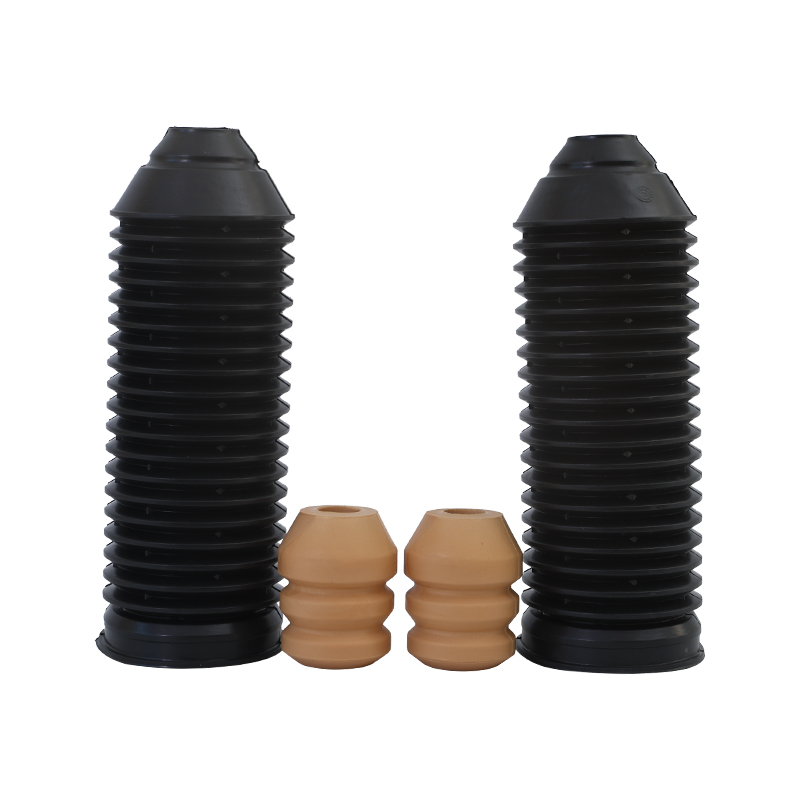
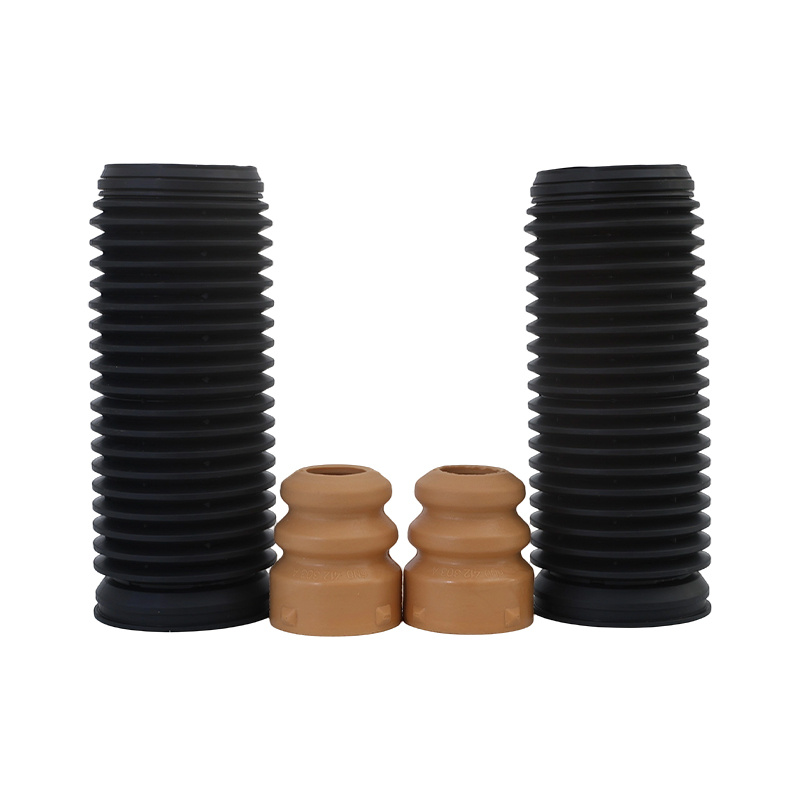
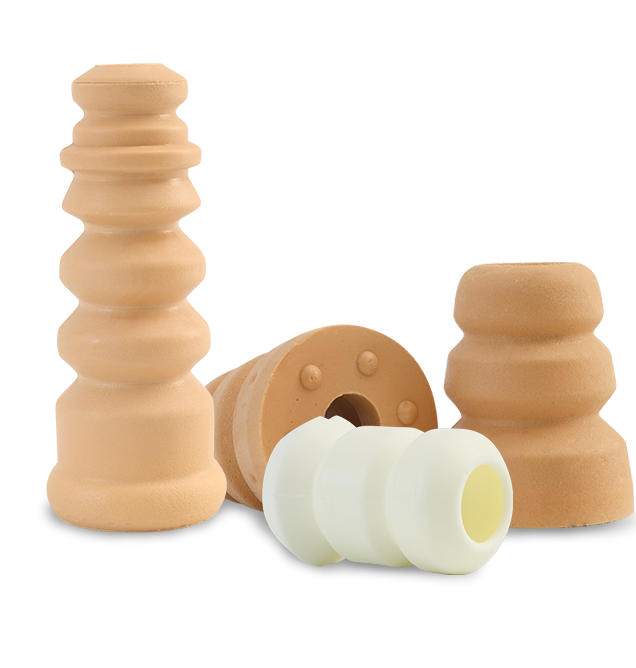
-3.jpg "Are Automotive Bump Stops Necessary? A Comprehensive Guide to Function, Types, and Replacement")
-1.jpg "What is a bump stop in a car, and what is its function in a vehicle's suspension system?")
.jpg "Peugeot Shock Absorber Bump Stop: Function, Replacement, and Common Issues")



