 English
 русский
 Español
 عربى
عربى

1. Prevents Bottoming-Out
The Automobile Shock Absorber Bump Stop is integral in preventing the suspension system from bottoming out, which occurs when the shock absorbers or springs reach their maximum compression and no longer provide the necessary cushioning. In such situations, without a bump stop, the metal-to-metal contact between suspension components can cause severe damage to both the suspension and the vehicle's chassis. By providing a cushioning effect before this happens, the bump stop absorbs the shock and prevents abnormal compression of the suspension components.
When the vehicle encounters rough terrain, such as potholes or large speed bumps, the bump stop acts as a buffer, cushioning the final compression phase of the suspension and reducing the shock load transmitted through the vehicle's body. This is particularly important for preventing damage to the shock absorbers, struts, or control arms, which can suffer from long-term wear and failure if subjected to frequent bottoming-out conditions.
2. Energy Absorption and Damping
The shock absorber bump stop is designed to absorb and dissipate energy from impacts, acting as a secondary shock absorber to support the main suspension system. When the suspension reaches its full compression limit, the bump stop engages to absorb the remaining impact energy, reducing the intensity of the shock forces. This is achieved through the use of materials such as rubber, urethane, or polyurethane, which compress gradually under load.
The material properties of the bump stop allow it to offer progressive compression. This means that the harder the impact, the more the bump stop compresses, helping to spread out the energy over time. The gradual compression ensures that the energy is not transferred abruptly to the rest of the suspension components, providing extra damping to soften impacts. This additional damping contributes to a smoother ride, particularly on rough or uneven roads where the vehicle experiences sudden shocks.
3. Maintains Suspension Travel and Vehicle Stability
The role of the bump stop in maintaining suspension travel is vital to ensure the suspension system operates within its designed limits. Suspension travel refers to the distance the shock absorbers and springs can compress or extend to absorb road shocks. If the suspension exceeds its maximum travel, components may experience excessive wear or even failure.
By limiting how far the suspension can compress, the bump stop helps to keep the system functioning optimally, preventing overextension or bottoming out. It ensures that the shock absorbers and springs continue to perform within their designed range, maintaining a balanced and controlled ride. This is crucial for maintaining vehicle stability, especially during rapid turns, emergency maneuvers, or off-road driving. If the suspension system is forced into excessive compression, it can result in reduced stability and handling issues, potentially affecting the vehicle's safety.
4. Enhances Ride Comfort
An often-overlooked but important benefit of the Automobile Shock Absorber Bump Stop is its contribution to ride comfort. When driving over rough terrain, large bumps, or even manhole covers, the shock absorbers alone may not always provide sufficient cushioning to soften the impact. Without bump stops, passengers would feel the full force of these sudden impacts, leading to an uncomfortable and potentially jarring ride.
The bump stop smooths out these impacts, reducing the harshness felt inside the vehicle. It works to soften the final compression of the suspension before metal components make contact, ensuring that any energy transmitted into the vehicle’s frame is gradually absorbed. As a result, the overall comfort level for passengers is improved, and the ride quality becomes more pleasant, especially in areas with poor road conditions or frequent obstacles.
5. Supports Load Distribution and Weight Management
The bump stop is also instrumental in handling additional weight from heavy loads, towing, or off-road driving. When a vehicle carries a heavy load or is involved in towing, the suspension system is subject to increased pressure, which can lead to over-compression of the shock absorbers and springs. In such situations, the bump stop provides an additional layer of support, helping to distribute the load more effectively across the suspension system.
This distribution helps to prevent excessive sagging or uneven weight distribution, which can result in poor handling, reduced traction, and even damage to the suspension system. The bump stop works by cushioning impacts and ensuring that the suspension does not undergo unnecessary stress during load-bearing conditions. This allows the suspension to operate at its optimal capacity, especially when the vehicle is under significant stress from heavier cargo or towing activities.
.jpg "HP012 Front Shock Absorber Auxiliary Spring Bump Stop for Mercedes-Benz")
.jpg "HP001 Front Shock Absorber Bump Stop for Chevrolet")
-1.jpg "HP037 Front Shock Absorber Bump Stop for Mitsubishi")
.jpg "HP021 Front Shock Absorber Bump Spring for Land Rover")
.jpg "HP019 Front Shock Absorber Bump Stop Rubber Bush for Porsche")
.jpg "HP032 Front Shock Absorber Bump Stop for Honda")
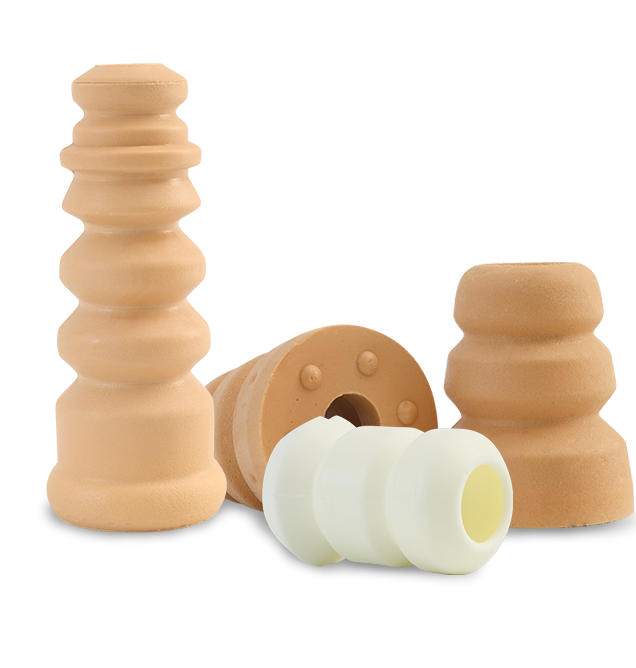
-3.jpg "Are Automotive Bump Stops Necessary? A Comprehensive Guide to Function, Types, and Replacement")
-1.jpg "What is a bump stop in a car, and what is its function in a vehicle's suspension system?")
.jpg "Peugeot Shock Absorber Bump Stop: Function, Replacement, and Common Issues")



