 English
 русский
 Español
 عربى
عربى

1. Introduction to Automotive Bump Stops: Basic Concepts and Importance
What are Automotive Bump Stops?
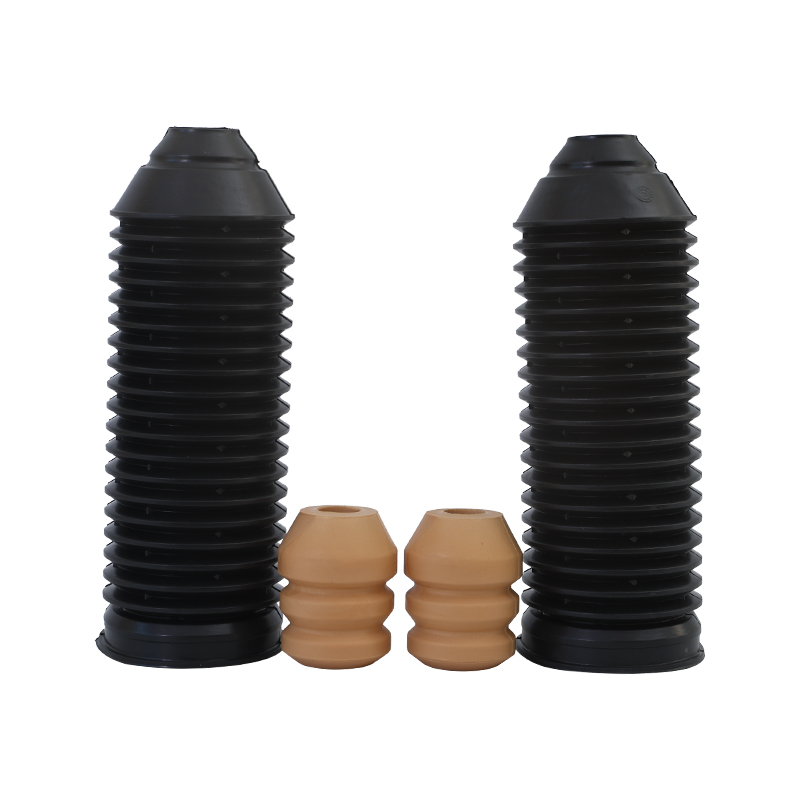
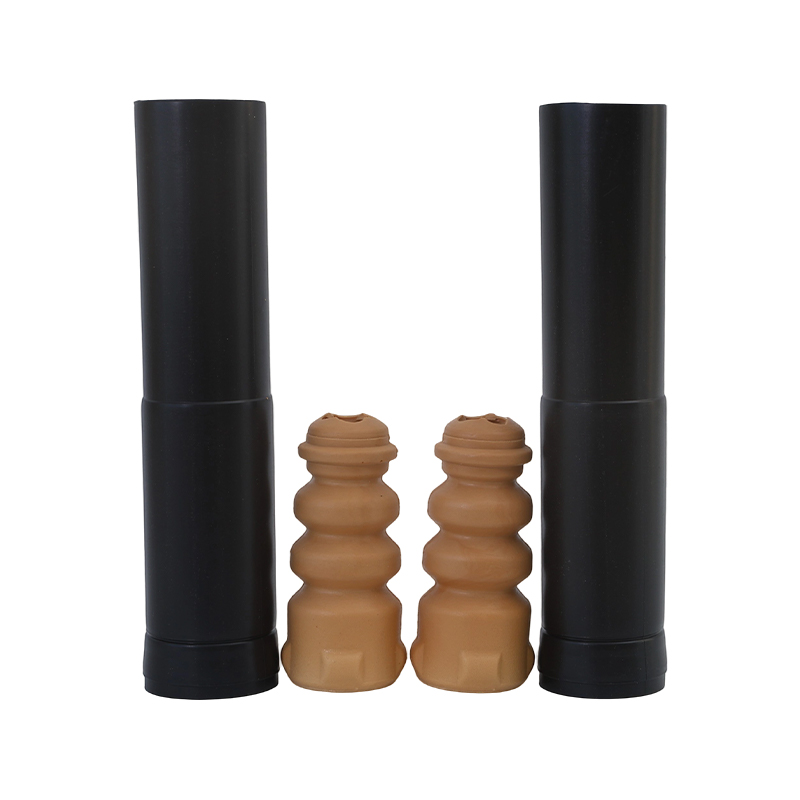
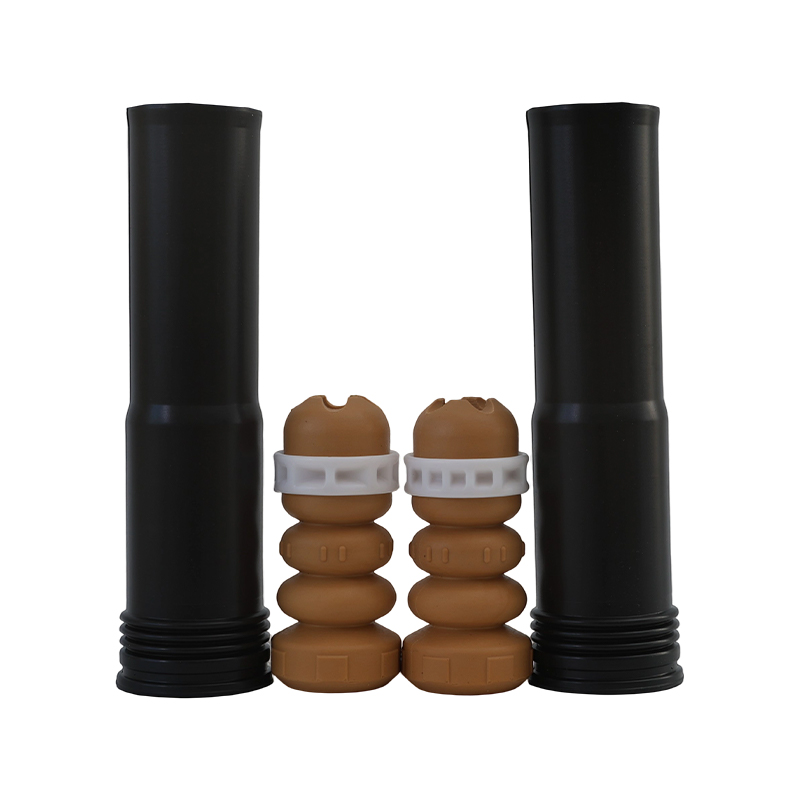
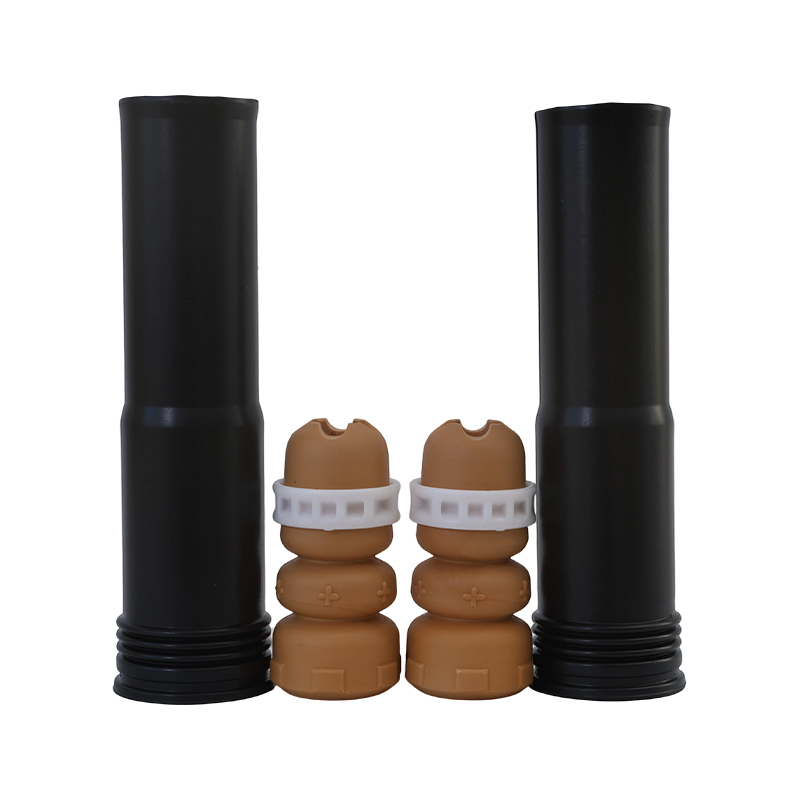
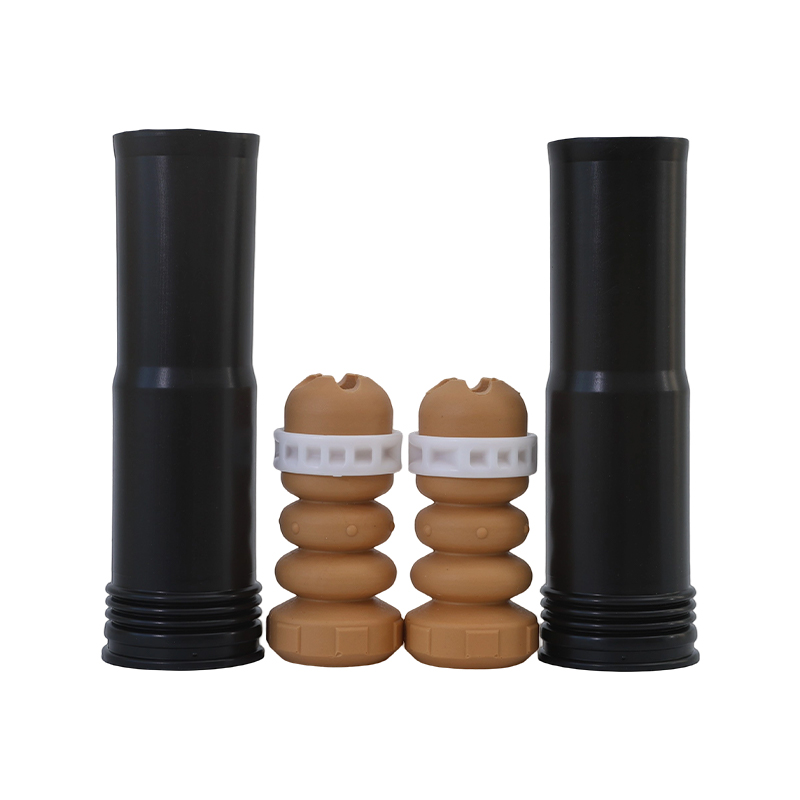
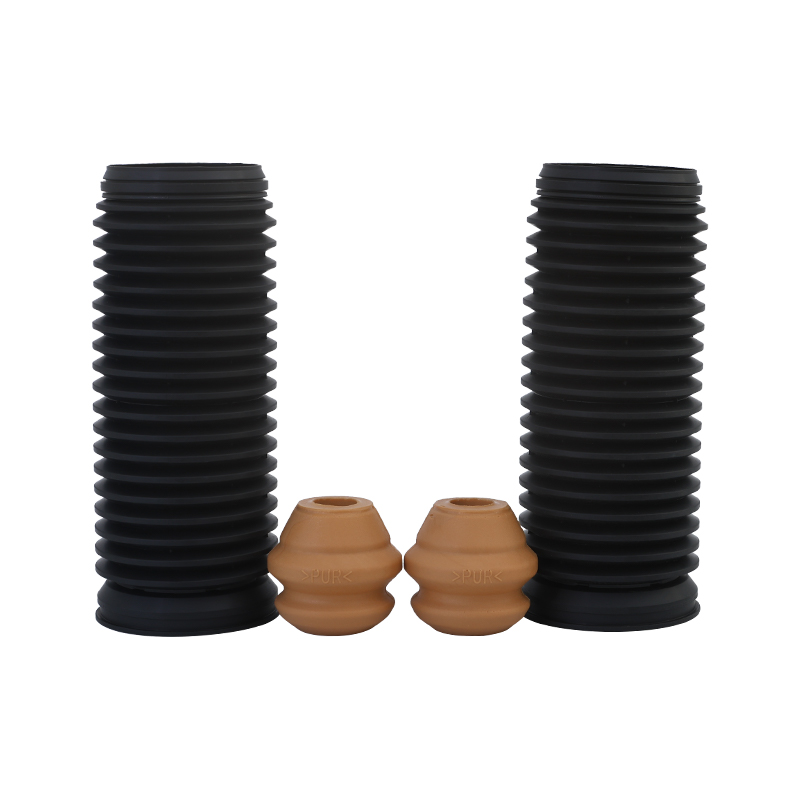
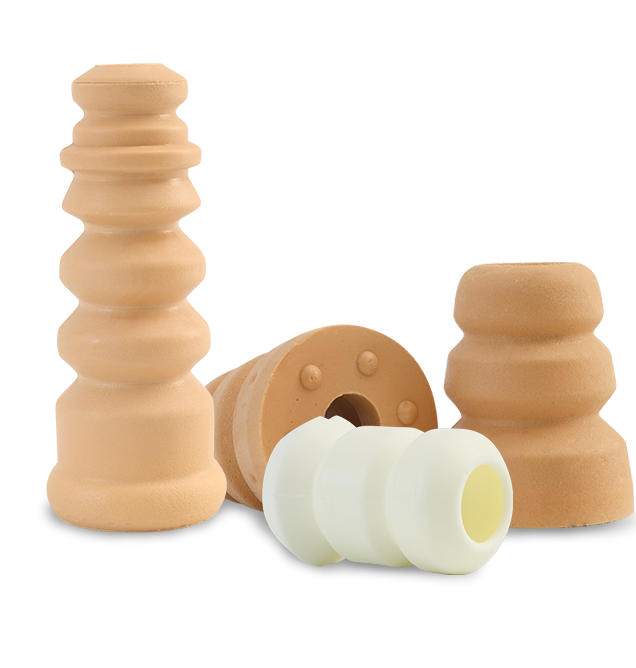
Automotive Bump Stops are buffering components installed in a car's suspension system, typically located at the top of the shock absorber piston rod or between the chassis and the axle (or control arm). They are essentially limiters made of elastic material.
Their primary purpose is to provide a progressive cushion when the suspension reaches its maximum travel, preventing metal parts from hitting each other directly, thereby protecting expensive suspension components and the body structure.
Automotive Bump Stops are also known in the industry as jounce bumpers. "Jounce" specifically refers to the upward compression movement of the suspension system (i.e., the downward movement of the vehicle chassis). Therefore, whether you hear "bump stop" or "jounce bumper," they both refer to this core suspension protection element.
Why are Automotive Bump Stops Important?
Although springs and shock absorbers (dampers) are the main components controlling the vehicle's suspension system, the role of Automotive Bump Stops is irreplaceable. Their importance is reflected in the following aspects:
- The Final Layer of Protection: When the vehicle is heavily loaded, goes over large bumps, or turns sharply causing rapid suspension compression, they act as the final "airbag" to absorb the remaining impact energy.
- Maintaining Handling: They manage the limits of suspension travel in a controlled manner, especially in off-road or high-performance driving, preventing tire interference with the body.
- Improving Ride Experience: Through progressive compression, suspension bump stops reduce the harsh shock felt when the suspension "bottoms out," significantly enhancing ride quality.
Without properly functioning Automotive Bump Stops, your vehicle will allow metal components to collide directly when absorbing large impacts, leading to harsh noise, rapid structural damage, and a severe threat to vehicle stability.
Brief Overview of Automotive Bump Stops Evolution
Early car suspensions relied mainly on metal springs and simple friction dampers, and Automotive Bump Stops were just simple, high-density rubber blocks, crude in design, with their main function being purely a hard limit.
As the automotive industry developed and demand for comfort increased, the design and materials of bump stops also advanced:
- From the initial rubber material, they evolved to micro-cellular foam (Foam), which is more durable and offers more progressive cushioning.
- Today, high-performance urethane materials are mainstream. They not only last longer but also provide a more precise compression curve, evolving Automotive Bump Stops from passive "stoppers" into active "helper springs" that provide auxiliary support throughout the entire suspension travel.
2. Analysis of Automotive Bump Stops' Key Functions
Limiting Suspension Travel
This is the most direct core function of Automotive Bump Stops.
- Preventing Bottoming Out: When a wheel moves up rapidly, Automotive Bump Stops intervene to prevent the shock absorber from compressing fully, the spring from being over-compressed, or the control arm from hitting the frame directly. This phenomenon is commonly known as "bottoming out."
- Travel Management: For modified vehicles (e.g., lowered or fitted with large tires), they ensure that the tires do not rub against the fender or other body parts during maximum compression. Automotive Bump Stops essentially define the maximum safe suspension travel.
Protecting Suspension Components
Continuous and unbuffered severe impacts can cause permanent damage to the suspension system.
- Protecting Shock Absorbers: If the shock absorber piston rod hits the end of the cylinder directly, it can damage internal valves and seals. Automotive Bump Stops absorb most of this impact energy, protecting the shock absorber from this destructive metal-on-metal collision.
- Protecting Springs and Frame: By softening the impact, they reduce the instantaneous peak load transferred to the spring seats, body connection points, and frame structure, thus extending the lifespan of these expensive components.
Improving Ride Comfort
High-quality Automotive Bump Stops use a progressive design, meaning the more they are compressed, the greater the resistance they provide.
- Progressive Cushioning: This non-linear resistance characteristic ensures that when the vehicle encounters a strong impact, the impact energy is absorbed smoothly and in a controlled manner, rather than abruptly and harshly.
- Softening Impacts: Effective Automotive Bump Stops can convert a sharp, short impact into a prolonged and gentle "push," significantly improving overall ride quality.
Enhancing Vehicle Stability
In certain driving situations, Automotive Bump Stops can even act as auxiliary support elements, helping to control body dynamics and thus improving vehicle stability.
- Controlling Body Roll: In sharp turns, the vehicle's center of gravity shifts outwards, causing the outer suspension to compress. If the compression is significant, Automotive Bump Stops provide extra support, similar to a helper spring, helping to limit body roll and enhancing the vehicle's lateral support.
- Managing Weight Transfer: During braking or acceleration, they help to manage the vehicle's longitudinal weight transfer more smoothly, resulting in a more stable and controllable vehicle posture.
| Functional Aspect | Without Bump Stop or Damaged | Healthy Automotive Bump Stop |
| Suspension Travel | Prone to "bottoming out," causing direct metal component collision. | Provides precise travel limitation, preventing hardware damage. |
| Impact Absorption | Impacts are hard and jarring, poor ride experience. | Progressive cushioning, converting hard impacts into soft pushes. |
| Component Lifespan | Shock absorbers and frame connection points are easily damaged. | Protects the internal structure of the shock absorber, extending the lifespan of suspension components. |
| Body Control | Lacks lateral support, severe body roll in sharp turns. | Provides auxiliary support, enhancing vehicle stability. |
3. Main Types and Material Differentiation of Automotive Bump Stops
Categorized by Material:
Material is the core element determining the characteristics of suspension bump stops. Choosing the right material is crucial for meeting specific driving needs (such as comfort, off-roading, or track performance) to maintain optimal ride quality.
| Material Type | Abbreviation/Alias | Key Characteristics | Advantages | Limitations |
| Rubber Bump Stops | Natural Rubber/Synthetic Rubber | Inexpensive, good elasticity, strong impact absorption capacity. | Cost-effective, stable performance in low temperatures. | Prone to aging, cracking, and hardening, relatively short lifespan, compression curve is usually more linear. |
| Foam Bump Stops | Micro-cellular Foamed Polymer | Lightweight, with excellent energy dissipation capabilities. | Provides very progressive cushioning, improves ride quality, suitable for passenger vehicles. | Susceptible to erosion by fluids, solvents, and moisture, poor durability under high heat and high impact. |
| Urethane Bump Stops | Polyurethane Elastomer | High strength, high abrasion resistance, excellent chemical and oil resistance. | Extremely long lifespan, resistant to aging or hardening, provides the most controllable progressive bump stops (progressive cushioning). | Higher cost than rubber and foam, may harden slightly in extremely cold environments. |
- Rubber Bump Stops: The traditional and most widely used material for Automotive Bump Stops. They absorb impact by their own compression and deformation. Due to their ease of manufacture and low cost, they are widely used in most mass-produced vehicles. However, over time, rubber will be prone to cracking or decomposing due to UV rays and oxidation, leading to cushioning failure.
- Foam Bump Stops: Typically used in vehicles prioritizing ultimate comfort. They contain numerous tiny pores internally; when compressed, the air inside the pores is expelled, providing soft, progressive resistance. This material offers a more delicate cushioning feel but is often less durable than urethane and thick rubber.
- Urethane Bump Stops: This is the preferred material for upgrades and high-performance applications. Polyurethane elastomers combine the elasticity of rubber with the durability of plastic. They can provide a more progressive compression curve than rubber, meaning they are soft during slight compression but quickly become stiff during deep compression, offering better control, and are an effective way to enhance the performance of the vehicle's suspension system.
Categorized by Shape/Design:
The geometry of Automotive Bump Stops determines their intervention method and compression characteristics.
- Jounce Bumpers: These are the most common cylindrical, conical, or block shapes. They are fixed directly to the shock absorber shaft or the suspension structure, and their function is entirely passive—they only begin to compress and cushion when the suspension travel reaches a specific point. This is the basic form of all types of Automotive Bump Stops.
- Helper Springs: In some designs, Automotive Bump Stops are designed to be longer and denser, allowing them to intervene slightly and provide light support within the normal operating range of the suspension. These "long-travel" bump stops are referred to as Helper Springs, and they effectively assist the main springs, especially under light load or when going over small bumps, improving chassis support and ride quality.
- Progressive Bump Stops: This is a performance-focused design characterized by a non-linear compression rate. They may have a special conical or multi-layered structure. This design allows the bump stop to be very soft at the start of compression, providing excellent initial comfort; as compression increases, their resistance grows exponentially, strongly limiting suspension travel and preventing a harsh "bottoming out." High-performance Urethane Bump Stops often use this progressive design.
4. Signs of Worn or Damaged Automotive Bump Stops
Automotive Bump Stops are wear-and-tear items; they endure immense pressure and impact within the suspension system while also being exposed to various environmental factors (such as temperature changes, road debris, and chemicals) a critical step to maintain ride quality. Understanding the signs of wear is crucial for maintaining suspension performance and ride quality.
If your Automotive Bump Stops are aged or damaged, they will fail to provide the expected cushioning and protection, directly impacting the vehicle's vehicle stability and ride comfort.
Increased Suspension Noise
This is one of the most obvious signals of Automotive Bump Stops wear.
- Metal Clunking Noise: When the bump stop completely fails or disintegrates, the suspension metal components will hit the frame or the inside of the shock absorber at the end of travel. You will hear a clear, harsh "bang" or "thud" when the vehicle goes over larger potholes or speed bumps.
- Thumping Noise: If the bump stop is only partially damaged or loosely installed, a continuous rubbing or "thumping" noise may occur during suspension compression and rebound.
Rough Ride Quality
Properly functioning Automotive Bump Stops absorb impacts smoothly. When they fail, the vehicle's dynamic response becomes rough.
- Overly Direct Road Feel: Even when going over medium or small bumps, you will feel the impact forcefully transmitted to the seat and steering wheel.
- Excessive Vibration: When going over rough roads, the chassis seems to lose its ability to "absorb" impacts, and the frequency and amplitude of vibrations noticeably increase, deteriorating the overall ride quality.
Visible Damage
Visual inspection of Automotive Bump Stops is the most straightforward way to diagnose wear.
- Cracking, Crumbling: Especially rubber material bump stops, which will show obvious surface cracks and signs of aging due to time, UV exposure, and oxidation.
- Missing Material or Disintegration: If the edges or parts of the material of the bump stop are falling off, crumbling, or completely missing, it indicates it has lost its ability to absorb energy. You may find these detached fragments around the wheel or in the suspension area on the ground.
- "Pancake" Shape Deformation: After long-term overloading, the bump stop may be permanently compressed into a flat "pancake" shape, meaning it has lost its original height and elasticity and cannot intervene in time during suspension compression.
Bottoming Out Frequently
This is the most core evidence of Automotive Bump Stops functional failure.
- Definition: "Bottoming Out" means the suspension travel is exhausted. If the bump stop is intact, it will provide progressive cushioning just before the travel limit, thereby avoiding true metal collision.
- Wear Manifestation: If the vehicle's suspension system starts to Bottoming Out Frequently, emitting metal striking noises, even under light load or over moderate road undulations, it indicates that your suspension bump stops are no longer capable of providing effective limiting and cushioning protection.
| Sign of Damage | Diagnostic Manifestation | Cause of Functional Failure |
| Increased Suspension Noise | Hearing a harsh "bang" or metal striking noise when going over bumps. | Automotive Bump Stops are completely damaged or missing, unable to prevent metal components from colliding. |
| Rough Ride Quality | Vehicle reacts too severely to road bumps, ride feels harsh. | Material aging and hardening, loss of elasticity, unable to effectively absorb impact energy. |
| Visible Damage | Rubber/Urethane block shows cracks, missing pieces, or permanent compression. | Material structure is damaged, and cushioning area and height are lost. |
| Bottoming Out Frequently | Suspension easily bottoms out even with light load. | Automotive Bump Stops lose height and rigidity, unable to intervene at the limit of suspension travel. |
How to Regularly Inspect Your Automotive Bump Stops:
A visual inspection of the bump stops should be performed regularly, typically when changing tires or during routine servicing when the vehicle is lifted. They should remain intact, elastic, and free from severe cracks or compression deformation. Upon finding any of the above signs, bump stop replacement should be considered to restore the vehicle's performance and safety.
5. Choosing the Right Automotive Bump Stops: Consideration Factors
Vehicle Type and Usage
Different vehicle uses require completely different types of Automotive Bump Stops.
- Passenger Cars and Urban SUVs: Priority is given to ride quality and comfort. Usually, foam or high-quality rubber suspension bump stops that offer soft, progressive cushioning are chosen. They are required to provide reliable end-of-travel protection without compromising daily driving.
- Heavy-Duty Trucks and Towing Vehicles: Support stiffness and durability must be prioritized. These vehicles often require longer, stiffer urethane bump stops that intervene earlier under full load or while towing, providing additional load support and preventing frequent "bottoming out."
- Off-Road and Performance Vehicles: Require highly controlled suspension travel. These vehicles typically use high-performance urethane progressive bump stops, which are designed to provide precise, hydraulic-like cushioning during high-speed impacts or significant suspension compression.
Suspension Modifications
If your vehicle's suspension system has been modified, especially if it involves changes in ride height, the choice of Automotive Bump Stops must be adjusted accordingly.
- Lowered: Lowering the vehicle significantly reduces the upward suspension travel. In this case, need to install shorter Automotive Bump Stops, to prevent the bump stops from over-compressing and intervening too frequently, which would make the ride overly harsh on bumpy roads and damage ride quality.
- Lifted: A lift kit increases the distance between the wheel and the frame. Although travel is increased, in some designs, longer bump stops may be needed to ensure the tires do not hit the body and to protect extended shock absorbers.
- Matching with Shock Absorbers/Springs: If shock absorbers/springs with a shorter travel or stiffer rate are installed, the intervention point of the Automotive Bump Stops also needs to be adjusted to ensure they work collaboratively rather than interfering with each other.
Material and Durability Considerations
The choice of material is a trade-off between performance and lifespan.
- Durability Needs: If you frequently drive on rough roads or in environments with extreme temperature variations, choose weather-resistant urethane bump stops, whose anti-aging and oil-resistant capabilities far exceed rubber.
- Cushioning Characteristics Needs:
- For soft initial cushioning and comfortable ride quality, consider high-quality foam or soft rubber.
- For high performance, precise travel control, and vehicle stability, urethane is the best choice, as it provides a more precise progressive compression.
Length and Compression Rate
The two most critical technical parameters for selecting Automotive Bump Stops are length and compression rate, which determine when and with what force the bump stop intervenes.
| Parameter | Definition | Impact on Suspension Performance |
| Effective Length | The distance from the bump stop's mounting point to where it begins to contact the suspension component. | Determines Intervention Time: Longer length means earlier intervention; shorter length means greater suspension travel. Must match actual suspension travel, especially for modified vehicles. |
| Compression Rate | The rate at which the bump stop's resistance increases as it compresses (stiffness). | Determines Cushioning Feel: Low compression rate (soft) means gentle impact but less limiting force; high compression rate (stiff) means strong limiting force but harsher feel. High-quality bump stops often use a progressive compression rate. |
Important Note:
Calculating the correct length is crucial. Incorrectly sized Automotive Bump Stops can lead to:
- Too Long: The bump stop intervenes too early, preventing the suspension from using its full travel, making the ride feel "harsh" over minor bumps, and degrading ride quality.
- Too Short: The bump stop intervenes too late, leading to the shock absorber and suspension components taking excessive impact before the bump stop can function, increasing the risk of Bottoming Out.
Therefore, when choosing new Automotive Bump Stops for bump stop replacement,务必 refer to the original specifications, and adjust the required effective length based on any suspension modifications (such as lifting or lowering).
6. Replacing Bump Stops: A Step-by-Step Guide
Regularly replacing worn Automotive Bump Stops (i.e., performing a bump stop replacement) is a key maintenance step to ensure the restoration of the vehicle's vehicle stability and suspension system function and ride quality. Although the replacement process varies by vehicle model, the basic principles and safety requirements are universal.
Tools and Materials Needed
Before starting, ensure you have the following tools and materials:
- New Automotive Bump Stops: Ensure the model and length match your vehicle and suspension configuration.
- Vehicle Lifting Tools: Floor jack and safety stands (Jack Stands) – safety stands are mandatory.
- Wheel Removal Tools: Wrench or impact wrench.
- Removal/Installation Tools: May require socket wrenches, open-end wrenches, screwdrivers, or vise grips.
- Cleaning Supplies: Wire brush, cleaner.
- Safety Gear: Safety glasses, gloves.
Step 1: Safety Precautions
Safety always comes first.
- Park the vehicle on a flat, hard surface and engage the parking brake.
- Use wheel chocks to secure the tires that are not being lifted.
- Use the jack to lift the area where the bump stop needs to be replaced (usually one side of the wheel).
- Critical Safety Step: Safety stands must be used to support the vehicle chassis before performing any work. Never rely solely on the jack for support.
- Remove the wheel that needs work.
Step 2: Removing the Old Automotive Bump Stops
Automotive Bump Stops are generally installed in two locations: on the shock absorber piston rod or on the suspension structure.
| Removal Location | Common Installation Method | Removal Steps |
| On Shock Absorber Piston Rod | The bump stop sleeves over the piston rod, sometimes secured by a dust cover. | 1. Remove the dust cover. 2. If the bump stop is segmented, pull it out or cut it off. 3. If the bump stop is integrated under the top nut of the shock absorber, you may need to compress the shock or loosen the top mount. |
| On Frame/Control Arm | The bump stop is bolted to the frame or suspension arm. | 1. Locate the mounting bolts or clips. 2. Use a wrench or socket to unscrew the bolts, or pry open the clips. 3. Check the mounting base for rust or damage and clean with a wire brush. |
- If the old bump stop has crumbled, be sure to remove all residual rubber or urethane debris to ensure the mounting base is clean.
Step 3: Installing the New Automotive Bump Stops
When installing the new Automotive Bump Stops, ensure they are correctly seated to maximize their protective function.
- Alignment and Positioning: Whether the bump stop is bolted or clipped, ensure it is properly aligned. Bolt holes must line up, and clips must be fully snapped into place.
- Tightening: If the suspension bump stops are bolted, tighten them according to the vehicle manufacturer's recommended torque. Avoid Over-Tightening Fasteners, as over-tightening can damage the bump stop's mounting base or threads.
- Installing the Dust Cover: If the bump stop is integrated with or works in conjunction with the shock absorber dust cover, ensure the dust cover is installed correctly to protect the shock absorber piston rod from dust and debris.
Step 4: Testing the Suspension
After installation is complete, the vehicle needs to be lowered and the suspension system reset.
- Reinstall the wheel and tighten the lug nuts to the manufacturer's recommended torque.
- Use the jack to slightly raise the vehicle and remove the safety stands.
- Gently lower the vehicle to the ground, allowing the suspension to settle to its normal loaded position.
- Initial Test: Drive a short distance at low speed over some known bumpy road surfaces. Listen for any new noises and feel if the vehicle's ride quality has returned to normal.
Common Mistakes to Avoid When Replacing Bump Stops
- Using the Wrong Type of Bump Stop: The wrong material (e.g., replacing urethane with rubber) or the wrong length (too long or too short) will severely affect suspension travel and ride quality.
- Ignoring Suspension Issues: While replacing the bump stop, check the surrounding shock absorbers, springs, and bushings for leaks, cracks, or looseness. Damaged bump stops are sometimes a symptom of a deeper suspension problem.
7. Benefits of Upgrading Automotive Bump Stops
For owners seeking to improve vehicle performance, handling, and durability, or those who need to cope with special driving conditions (such as off-roading or heavy loads), upgrading the factory Automotive Bump Stops to high-performance products is a cost-effective way to enhance performance (i.e., bump stop upgrade).
Upgrading usually means moving from basic rubber or foam materials to urethane or hydraulically assisted bump stops with a more precise compression curve and better durability.
Improved Handling and Stability
High-performance Automotive Bump Stops are no longer just final limiters; they are active participants in the suspension system.
- More Precise Travel Control: High-quality urethane progressive bump stops can manage the final stages of suspension compression more effectively. Their intervention is smoother, avoiding sudden hard impacts, ensuring the vehicle remains predictable and controlled even under limit conditions.
- Better Weight Transfer Management: Vehicle weight shifts rapidly during emergency braking or quick lane changes. Upgraded bump stops provide more progressive support, reducing the degree of "Brake Dive" (nose dive) or "Squat" (tail lift), thereby directly enhancing vehicle stability.
Reduced Body Roll
In cornering, upgraded Automotive Bump Stops can act as an auxiliary anti-roll measure.
- Cornering Auxiliary Support: When the vehicle takes a corner at speed, the outer suspension compresses significantly. High-rigidity and well-designed bump stops quickly provide extra structural rigidity, limiting body roll.
- Increased Stiffness: This extra rigid support reduces the angle of the vehicle's tilt in corners, allowing the tires to maintain better grip and thus improving overall handling precision.
Enhanced Off-Road Performance
For off-road vehicles, upgrading Automotive Bump Stops is particularly crucial; they are an essential part of protecting the chassis and improving off-road comfort.
- Protecting High-Value Components: The suspension experiences severe, unpredictable impacts when driving on rough terrain. High-performance bump stops absorb impact energy more effectively, protecting shock absorbers, control arms, and the frame from destructive shocks.
- Higher Control Speed: Traditional bump stops can fatigue quickly under high-frequency impacts, while urethane bump stops specifically designed for off-roading can provide continuous cushioning, allowing the vehicle to traverse rough terrain more quickly and stably.
- Better Landing Cushioning: For "landing" conditions after jumps or high-speed passage over undulations, Automotive Bump Stops provide vital damping and cushioning, preventing the suspension from bottoming out instantly.
Increased Suspension Longevity
Through more efficient and reliable cushioning, the upgraded products indirectly protect the entire suspension system.
- Reduced Component Fatigue: Effective cushioning reduces the repeated peak impact loads on shock absorbers, springs, ball joints, and bushings, thereby increasing the lifespan of suspension components.
- Enhanced Durability: Polyurethane (Urethane) materials have greater resistance to oil, ozone, and UV rays compared to traditional rubber, meaning the bump stop itself lasts longer, reducing the frequency of bump stop replacement.
| Performance Area | Before Upgrade (Aged/Basic Rubber) | After Upgrade (High-Performance Urethane/Progressive) |
| Handling | Abrupt stiffness at the end of impact, easily leading to loss of control feeling; vehicle stability is impaired. | Cushioning progressive and smooth, travel control precise, improved controllability during extreme driving. |
| Body Roll | Suspension lateral support insufficient, resulting in significant body roll. | Provides effective auxiliary support, limiting body roll, improving cornering performance. |
| Ride Comfort | Frequent "bottoming out," poor ride quality, strong vibration. | Optimizes the impact absorption process, reducing harsh collision, significantly improving comfort. |
| Durability | Prone to aging, cracking, and permanent deformation, requiring frequent bump stop replacement. | Extremely durable, resistant to environmental erosion, effectively extending the protection period of the suspension system. |
8. FAQs
Q: Do Automotive Bump Stops affect vehicle height?
A: Under normal circumstances, Automotive Bump Stops should not affect the vehicle's static height (Ride Height). They are designed to engage only at the very end of the suspension travel.
- Exception: If you use overly long or high-density urethane suspension bump stops, and they are slightly compressed (preloaded) when the vehicle is static or under normal load, they will act as auxiliary springs, causing the vehicle's static height to increase slightly, and potentially making low-speed driving too harsh, damaging ride quality.
Q: What happens if my car does not have bump stops?
A: If a vehicle has absolutely no Automotive Bump Stops, or if they are completely damaged and crumbled, it will lead to serious consequences:
- Hardware Damage: The shock absorber piston rod will hit the top of the cylinder directly, causing rapid damage to the valves and seals, ultimately leading to shock absorber failure.
- Structural Impact: Suspension metal components (such as control arms, axles) will hit the frame directly. The resulting huge impact force can damage the body structure and pose a severe threat to vehicle stability.
- Extremely Poor Ride Experience: Any large bump will result in harsh metal clunking noises and severe vibration, making the ride quality unacceptable.
Therefore, Automotive Bump Stops are an essential safety and protective element in any modern suspension system.
Q: Why are Urethane bump stops better than Rubber?
A: Urethane (Urethane Bump Stops) is generally considered a performance upgrade over traditional rubber (Rubber Bump Stops), especially when durability and precise control are required.
| Feature Comparison | Rubber (Rubber Bump Stops) | Urethane (Urethane Bump Stops) |
| Durability | Susceptible to ozone, UV, fluid erosion, ages quickly, prone to cracking. | Excellent chemical and aging resistance, much longer lifespan. |
| Compression Characteristics | Usually more linear, energy release after impact absorption is rapid. | Easier to achieve a Progressive compression curve, cushioning is smoother and more controlled. |
| Deformation/Memory | May suffer permanent deformation (compressed flat) after prolonged compression. | Elasticity good, excellent shape memory, unlikely to deform permanently. |
| Performance Application | Suitable for basic commuter cars, focuses on cost. | Suitable for high-performance, heavy-duty, and off-road vehicles, focuses on suspension travel control. |
Q: What is the typical lifespan of a Bump Stop?
A: The lifespan of Automotive Bump Stops is not fixed and depends on material, driving environment, and frequency:
- Rubber Material: Typically begins to show signs of aging (cracking, hardening) within 5 to 10 years, especially in vehicles frequently exposed to sun or harsh environments.
- Urethane Material: Features higher durability and can last over 10 years under normal use, with damage usually resulting from physical impact rather than natural aging.
It is recommended to visually inspect the Automotive Bump Stops during every tire change or routine maintenance. Once any of the signs mentioned in Section 4 (Visible Damage or Bottoming Out Frequently) are observed, bump stop replacement should be considered promptly.
Q: Do I need to replace all four Automotive Bump Stops at once?
A: Not necessarily.
- Axle Pair Replacement Principle: If the Automotive Bump Stops on one side are damaged, it is generally recommended to replace them in pairs (i.e., replacing both on the same axle—front or rear). This ensures consistent cushioning characteristics on both sides of the vehicle, thus maintaining the balance of vehicle stability.
- Full Replacement: If you notice that all bump stops are showing signs of aging (like general cracking or hardening), or if you are performing a performance upgrade, it is recommended to replace all four suspension bump stops at once to ensure the entire suspension system has optimal performance and consistent ride quality.
-3.jpg "Are Automotive Bump Stops Necessary? A Comprehensive Guide to Function, Types, and Replacement")
-1.jpg "What is a bump stop in a car, and what is its function in a vehicle's suspension system?")
.jpg "Peugeot Shock Absorber Bump Stop: Function, Replacement, and Common Issues")



