 English
 русский
 Español
 عربى
عربى

What is a Bump Stop?
A bump stop, also known as a “limiting damper,” is an essential component in a vehicle’s suspension system. While often overlooked, the bump stop plays a critical role in ensuring the suspension system works efficiently and prevents damage to the vehicle. Typically made from materials like high-strength rubber, polyurethane, or other durable compounds, bump stops are strategically positioned within the suspension system to absorb excessive forces and prevent mechanical failure. By limiting the amount of compression a suspension system undergoes, they protect vital components like shock absorbers, springs, and the vehicle’s undercarriage.
The Function of a Bump Stop
A bump stop serves as the final line of defense when the suspension reaches its maximum compression. In normal driving conditions, the suspension system absorbs the majority of road shocks, maintaining comfort and vehicle stability. However, in more extreme situations, such as when driving over large potholes, speed bumps, or rough terrain, the suspension system may compress to its limits. This is where the bump stop comes into play.
The bump stop provides a controlled and cushioned stop to prevent the suspension components from going beyond their designed limits. If the suspension continues to compress without a bump stop, it could result in severe damage to the suspension components, undercarriage, or even cause a loss of vehicle control. By absorbing excess energy and limiting compression, the bump stop ensures that the suspension returns to its normal state without causing damage.
How Bump Stops Protect Your Vehicle
The bump stop prevents:
- Contact between the wheels and the undercarriage: Without a bump stop, the wheels may travel too far up into the wheel wells, causing the tires to make contact with the vehicle’s body or undercarriage, leading to damage.
- Excessive compression of suspension components: The shock absorbers, springs, and other suspension components are designed to handle a certain level of compression. Without the bump stop, these components would be subjected to forces they weren’t built to handle, leading to premature wear or failure.
- Damage to the suspension system: Constant over-compression of the suspension can cause fatigue and damage to the shock absorbers and springs, leading to costly repairs.
The Different Types of Bump Stops
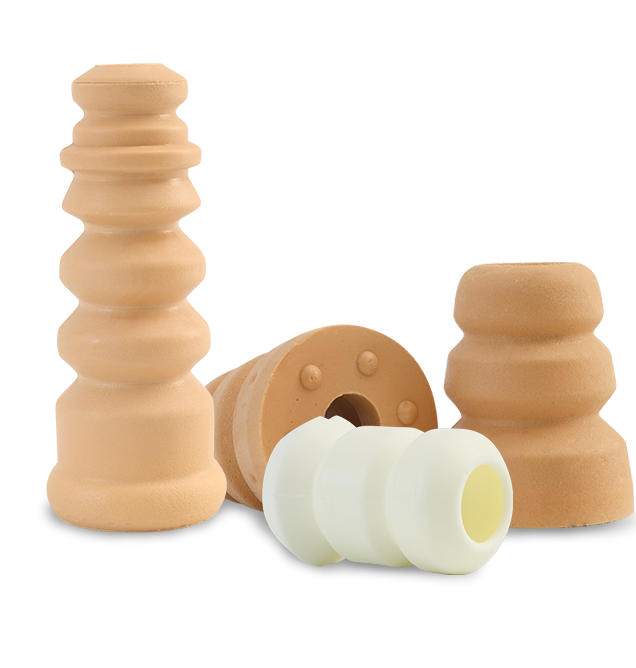
There are several types of bump stops, each designed to suit specific driving needs and vehicle types. The most common materials used for bump stops are rubber and polyurethane, though specialized bump stops may use materials like foam or metal in high-performance applications. The two most popular types of bump stops are:
1. Rubber Bump Stops
Rubber bump stops are the most commonly used type in standard passenger vehicles. These bump stops are made from durable rubber compounds that offer a balance between comfort and functionality. Rubber bump stops are flexible and provide a cushioned response when the suspension compresses. They are well-suited for everyday driving conditions, offering good performance on paved roads, highways, and moderate off-road terrain.
Advantages of Rubber Bump Stops:
- Good cushioning: Rubber provides a soft, responsive cushioning effect that reduces harsh impacts when the suspension compresses.
- Cost-effective: Rubber bump stops are relatively inexpensive to produce and replace, making them an affordable option for most vehicles.
- Durability: Rubber is relatively durable and can withstand typical wear and tear over time.
Disadvantages of Rubber Bump Stops:
- Limited performance under extreme conditions: While rubber bump stops perform well in everyday driving, they may not be as effective in extreme off-road or high-performance driving situations.
- Wear and tear: Rubber bump stops can degrade over time due to exposure to heat, UV light, and harsh weather conditions.
2. Polyurethane Bump Stops
Polyurethane bump stops are made from a stronger, more rigid material compared to rubber. These bump stops are often used in high-performance vehicles, off-road trucks, and racing applications where extra durability and performance are required. Polyurethane bump stops provide a firmer response, offering enhanced control over the suspension system’s compression.
Advantages of Polyurethane Bump Stops:
- High durability: Polyurethane is a more resilient material than rubber, offering increased resistance to wear and tear, as well as greater resistance to extreme temperatures.
- Improved performance: The firmer structure of polyurethane bump stops provides more precise control over suspension compression, which is essential in performance and off-road driving.
- Longer lifespan: Polyurethane bump stops last longer than rubber alternatives, making them ideal for vehicles that experience extreme use.
Disadvantages of Polyurethane Bump Stops:
- Stiffer ride: Due to their firmer nature, polyurethane bump stops may result in a harsher ride, especially for passengers in everyday driving situations.
- Higher cost: Polyurethane bump stops are generally more expensive than rubber bump stops due to the material’s superior properties.
3. Other Types of Bump Stops
In some high-performance or heavy-duty applications, bump stops may be made from specialized materials, such as foam or metal. These bump stops are designed to provide even greater strength, durability, and performance in extreme conditions.
Bump Stops in the Suspension System
The bump stop is integrated into the suspension system at specific points where it can provide maximum benefit. Typically, it is placed between the suspension arm and the chassis or the shock absorber and the axle. It is designed to make contact only when the suspension system reaches the end of its travel.
In a typical suspension system, the shock absorber or spring is responsible for absorbing road shocks. When the shock absorber compresses, it absorbs the impact, but if the suspension continues to compress beyond a certain point, the bump stop will come into contact to limit further compression.
The Role of the Bump Stop in Suspension Compression
When the suspension compresses, it absorbs energy from the road surface. The suspension’s springs and shock absorbers work to cushion this energy. However, if the suspension system is over-compressed, it can damage key components. At this point, the bump stop provides a final cushion to absorb the remaining energy and prevent further compression.
Diagram of Bump Stop Placement
Below is a simplified illustration of how a bump stop is integrated into the suspension system.
| Suspension Component | Function |
|---|---|
| Shock Absorber | Absorbs the majority of the road shock. |
| Spring | Supports the weight of the vehicle and absorbs bumps. |
| Bump Stop | Provides final cushioning when suspension reaches maximum compression. |
The Role of Bump Stops in the Suspension System
Bump stops are essential components of a vehicle’s suspension system. Though small and often overlooked, they play a critical role in ensuring the suspension operates within its design limits, improving comfort, and protecting vital suspension components from excessive wear.
1. Preventing Over-Compression of the Suspension
One of the primary roles of a bump stop is to prevent the suspension system from over-compressing, which could otherwise cause damage to the vehicle. The suspension system is designed to absorb shocks and vibrations from the road, allowing the wheels to move up and down as needed. When the wheels encounter potholes, bumps, or large obstacles, the suspension compresses to absorb the impact. This compression helps dissipate the energy of the impact, keeping the vehicle stable and preventing uncomfortable jolts.
How Over-Compression Happens
When a vehicle hits a large obstacle, such as a pothole or speed bump, the force can cause the suspension to compress too far. Without a bump stop, the suspension could continue to compress, causing the following issues:
- Wheel-to-Chassis Contact: As the suspension compresses beyond its normal range, the wheels may come into contact with the undercarriage of the vehicle. This could cause significant damage to the vehicle’s chassis, wheel wells, or even the tires themselves.
- Suspension Damage: Continuous over-compression can put immense stress on the shock absorbers, springs, and other suspension components, leading to premature wear or even failure. This reduces the overall lifespan of the suspension system.
How Bump Stops Prevent Over-Compression
Bump stops are strategically placed at the end of the suspension’s travel to absorb the final impact when the suspension reaches its limit. When the suspension system is fully compressed, the bump stop makes contact, preventing any further compression. The bump stop absorbs the remaining energy, preventing the wheels from coming into contact with the undercarriage and protecting the suspension components from further damage.
The bump stop acts as a “limit” to the suspension’s compression, ensuring that the vehicle doesn’t exceed the maximum compression range that the suspension components are designed to handle. This provides an extra layer of protection and ensures the suspension system continues to function as intended.
2. Improving Vehicle Comfort
Another essential function of bump stops is improving the comfort of the vehicle. Suspension systems are designed to absorb the majority of shocks from the road, making the driving experience smoother and more comfortable. However, when a vehicle encounters significant road irregularities—such as large potholes, rough terrain, or speed bumps—the suspension can compress to its maximum limit, resulting in harsh impacts that affect the vehicle’s stability and ride comfort.
Reducing Vibrations and Bumps
When a vehicle’s suspension system encounters a sudden shock, the impact is absorbed by the suspension, but this absorption is not always perfect. Even with a well-functioning suspension system, harsh impacts can result in noticeable vibrations and bumps, which can lead to an uncomfortable ride for the driver and passengers. This is where the bump stop comes into play.
Bump stops provide a final cushion when the suspension reaches its maximum compression, effectively absorbing some of the residual energy. This helps to reduce the intensity of the final impact and prevents the vehicle from experiencing jarring or excessive bumps. By providing this extra layer of cushioning, bump stops help to smooth out the ride, improving the overall comfort of the vehicle, particularly when driving over uneven roads or complex terrain.
Smoothing Out Rough Terrain
Bump stops are particularly beneficial for vehicles that frequently drive on rough or uneven terrain, such as off-road vehicles, trucks, or SUVs. These vehicles are more likely to encounter extreme road conditions that can cause the suspension to reach its maximum compression. The bump stops help to smooth out these experiences by absorbing the final impact, reducing the discomfort caused by driving over rough terrain. For drivers who regularly navigate bumpy roads or off-road trails, bump stops are a vital component that contributes to a more comfortable ride.
3. Protecting the Suspension System and Chassis
Without bump stops, the suspension system would be at risk of severe damage due to over-compression. The shock absorbers, springs, and other suspension components are designed to absorb and control the forces experienced on the road. However, these components have limitations in terms of how much compression they can handle before they are damaged or wear out prematurely.
Avoiding Suspension Damage
When the suspension compresses beyond its designed limits, the shock absorbers, springs, and other components are subjected to extreme forces. This can lead to the following issues:
- Shock Absorber Damage: Shock absorbers are responsible for controlling the rate of compression and rebound in the suspension. When over-compressed, they can become damaged or lose their ability to function properly, resulting in a poor ride quality.
- Spring Fatigue: Suspension springs are designed to flex and return to their original position after compression. However, when over-compressed too frequently, the springs can become fatigued, losing their ability to effectively absorb shocks.
- Premature Wear: Over-compression can cause additional friction and wear on suspension components, leading to a shorter lifespan for parts like bushings, joints, and other critical suspension elements.
Extending the Lifespan of Suspension Components
By absorbing the final impact during compression, bump stops prevent these over-compressions and help to protect the suspension system. When the suspension reaches its maximum compression, the bump stop acts as a shock absorber, preventing further strain on the shock absorbers, springs, and other components.
As a result, bump stops play an important role in extending the lifespan of the entire suspension system. By preventing damage caused by excessive compression, bump stops ensure that the suspension system continues to perform optimally over time, reducing the need for costly repairs and replacements.
Reducing Maintenance Costs
In addition to extending the lifespan of suspension components, bump stops also help to reduce maintenance costs. By preventing damage to critical suspension parts, bump stops help maintain the integrity of the suspension system, reducing the frequency and cost of repairs. This is especially important for vehicles that are subject to frequent heavy use, such as trucks, SUVs, and off-road vehicles.
The Impact of Bump Stops on Suspension Components
The following table outlines the key benefits of bump stops and how they protect suspension components:
| Suspension Component | Potential Damage Without Bump Stops | Role of Bump Stops |
|---|---|---|
| Shock Absorbers | Damage from over-compression, loss of function | Prevents over-compression, protecting shock absorbers |
| Springs | Spring fatigue, reduced flexibility | Limits compression to prevent spring fatigue |
| Bushings & Joints | Premature wear and tear | Reduces strain on bushings, extending lifespan |
| Chassis/Undercarriage | Scraping, contact with wheels | Prevents wheels from hitting the undercarriage, protecting the vehicle body |
How Bump Stops Work
Bump stops are often overlooked in the vehicle suspension system, but they play a critical role in ensuring the smooth operation and longevity of a vehicle. When a car drives over uneven roads, such as potholes, speed bumps, or rough terrain, the suspension system—comprising springs, shock absorbers, and other components—absorbs the shocks from these road irregularities. However, if the force of these impacts exceeds the suspension’s design limit, the suspension may compress too much. This is where bump stops come into play.
Bump stops act as the final barrier, absorbing the excess impact energy and preventing the suspension system from over-compressing, which could otherwise result in damage to the vehicle’s chassis, suspension components, or undercarriage.
1. The Role of the Suspension System
Before diving into the mechanics of bump stops, it is important to understand the basic function of the suspension system and how it interacts with the road surface. The primary function of the suspension system is to provide a smooth and comfortable ride by absorbing shocks from the road. It also helps maintain vehicle stability by ensuring the wheels remain in contact with the road surface, particularly during turns or when driving over uneven terrain.
The suspension system consists of several key components, including:
- Springs: Springs are responsible for supporting the weight of the vehicle and absorbing the energy from bumps or potholes. When a wheel encounters an obstacle, the spring compresses and helps absorb the shock.
- Shock Absorbers: Shock absorbers (or dampers) control the speed at which the springs compress and rebound. They are crucial for preventing the suspension from “bouncing” or oscillating after the initial shock has been absorbed.
- Control Arms and Joints: These components help control the movement of the wheels and suspension, ensuring the suspension system operates within its design limits.
When the suspension system is subjected to an impact that exceeds its design limit, the shock absorbers and springs can only absorb so much of the force. Once the system is compressed to its maximum extent, it is at risk of over-compressing, which can cause damage to the suspension components or other parts of the vehicle. This is where bump stops play a critical role.
2. The Function of Bump Stops
Preventing Over-Compression
The primary function of bump stops is to prevent over-compression of the suspension system. When a vehicle encounters a large impact, such as hitting a pothole, the suspension will compress to absorb the energy. However, if the force is too great, the suspension may compress beyond its intended range.
At this point, bump stops come into action. They are designed to be placed at the end of the suspension travel, where the suspension components—such as the shock absorber and spring—are at their maximum compression. The bump stop absorbs the remaining energy from the impact, preventing the suspension from compressing further.
If the bump stop were not present, the suspension would continue to compress until the wheels make direct contact with the undercarriage of the vehicle, potentially causing significant damage to the vehicle’s body or suspension components. The bump stop ensures that the suspension system does not exceed its limits, protecting the vehicle from such damage.
Energy Absorption
Bump stops are made from materials with high elasticity, such as rubber or polyurethane, which allows them to absorb the excess energy from the impact. When the suspension compresses and reaches the bump stop, the material deforms and absorbs the remaining shock, preventing the suspension components from taking on excessive stress. Once the impact is absorbed, the bump stop will return to its original shape, ready to absorb the next impact.
Protecting Suspension Components
The bump stop not only prevents damage to the vehicle’s undercarriage but also protects key suspension components, such as the shock absorbers, springs, and control arms. Without bump stops, these components would be exposed to extreme forces, potentially leading to premature wear, fatigue, or failure. By absorbing the final impact and limiting over-compression, bump stops help ensure that the suspension system functions as designed, extending the lifespan of these crucial components.
3. The Material Properties of Bump Stops
Bump stops are typically made from durable, elastic materials that can handle the stress of high-impact forces. The most common materials used are rubber and polyurethane, though other materials may be used in specialized applications. The choice of material affects the performance, comfort, and longevity of the bump stop.
Rubber Bump Stops
Rubber bump stops are the most commonly used type for standard passenger vehicles. Rubber offers a balance between durability, elasticity, and cost-effectiveness. Rubber is flexible and provides a smooth cushioning effect when the suspension system reaches its limit. However, rubber bump stops may wear out over time due to exposure to UV light, heat, and road salts.
Advantages of Rubber Bump Stops:
- Cushioning Effect: Rubber provides a relatively soft and smooth cushioning effect, which is ideal for passenger vehicles designed for everyday driving.
- Affordable: Rubber bump stops are cost-effective to produce and replace, making them a popular choice for standard vehicles.
- Good Durability: Rubber is durable enough to handle typical driving conditions, but it may degrade with exposure to extreme elements.
Disadvantages of Rubber Bump Stops:
- Wear Over Time: Rubber can deteriorate due to prolonged exposure to sunlight, moisture, or extreme temperatures, leading to cracks or splits.
- Less Performance in Extreme Conditions: In off-road or high-performance applications, rubber may not offer the same level of durability as more rigid materials like polyurethane.
Polyurethane Bump Stops
Polyurethane bump stops are used in high-performance vehicles, off-road trucks, and racing applications. Polyurethane is a more rigid and durable material than rubber, providing superior protection and energy absorption. It also has greater resistance to heat, UV light, and harsh chemicals, which makes it ideal for extreme conditions.
Advantages of Polyurethane Bump Stops:
- Higher Durability: Polyurethane is more resistant to wear and tear than rubber, lasting longer under harsh conditions.
- Stronger Cushioning: The material offers a firmer cushioning effect, providing more control over the suspension’s movement.
- Better Performance: Polyurethane bump stops are ideal for high-performance vehicles and off-road conditions, where enhanced energy absorption and durability are necessary.
Disadvantages of Polyurethane Bump Stops:
- Harsher Ride: The firmer nature of polyurethane bump stops can result in a harsher ride, which may not be ideal for everyday passenger vehicles.
- Higher Cost: Polyurethane bump stops are typically more expensive than rubber, making them a less cost-effective option for regular vehicles.
4. How Bump Stops Protect the Vehicle
Bump stops play a pivotal role in protecting the vehicle’s suspension system, the undercarriage, and the chassis from damage during impacts. By preventing the suspension from compressing beyond its intended range, bump stops act as a safeguard against the following potential issues:
1. Contact Between Wheels and the Undercarriage
Without bump stops, the wheels could compress so far that they make contact with the vehicle’s undercarriage. This could lead to scratches, dents, or even damage to vital components such as the exhaust system, fuel tank, or drivetrain.
2. Damage to Shock Absorbers and Springs
The shock absorbers and springs in a suspension system are designed to absorb a certain level of compression. If the suspension is over-compressed repeatedly, it can cause the shock absorbers to fail or the springs to become fatigued. Bump stops help protect these components by absorbing the final impact and preventing over-compression.
3. Uneven Suspension Wear
Repeated over-compression of the suspension system can lead to uneven wear on the suspension components. By limiting the amount of compression the suspension undergoes, bump stops ensure that the system operates within its designed parameters, reducing the chances of uneven wear and premature failure.
How Bump Stops Prevent Damage
The following table outlines how bump stops protect different suspension components and the vehicle body from excessive forces:
| Suspension Component | Potential Damage Without Bump Stops | Role of Bump Stops |
|---|---|---|
| Shock Absorbers | Damage from over-compression, loss of functionality | Absorbs final impact and prevents shock absorber damage |
| Springs | Spring fatigue, reduced ability to absorb shocks | Prevents springs from being over-compressed, prolonging their lifespan |
| Undercarriage | Scraping or damage to the chassis or components | Prevents wheels from contacting the undercarriage, protecting the vehicle body |
| Vehicle Alignment | Uneven wear or misalignment | Maintains proper alignment by preventing suspension over-compression |
Common Types and Materials of Bump Stops
Bump stops are essential components in vehicle suspension systems, designed to limit the travel of a suspension system and provide cushioning when the suspension reaches its maximum extension or compression. They help to reduce wear and tear on the suspension components and improve the ride quality of the vehicle. There are several types of bump stops made from various materials, each offering different benefits depending on the specific needs of the vehicle.
1. Rubber Bump Stops
Rubber bump stops are the most common type found in vehicles, ranging from everyday passenger cars to SUVs. Rubber is chosen for its moderate elasticity and ability to absorb shocks effectively, providing a smooth and comfortable ride. The material offers a balance between softness and durability, making it suitable for most driving conditions on regular roads.
Advantages of Rubber Bump Stops
- Soft Cushioning: Rubber bump stops provide a relatively soft cushioning effect, reducing the harshness of sudden impacts. This makes them ideal for regular use in vehicles driven on paved roads.
- Moderate Impact Absorption: Rubber is effective at absorbing small to moderate impacts, which is important for comfort, especially on rougher roads or when driving over obstacles like speed bumps or potholes.
- Cost-Effective: Rubber is relatively inexpensive to manufacture, making it a popular choice for standard vehicles.
Disadvantages of Rubber Bump Stops
- Less Durability: While rubber is durable for most applications, it may degrade more quickly under extreme conditions, such as high temperatures or prolonged exposure to UV rays.
- Not Suitable for Extreme Environments: In high-performance or off-road conditions, rubber bump stops may not provide the level of shock absorption needed to handle more severe impacts.
2. Polyurethane Bump Stops
Polyurethane bump stops are becoming increasingly popular in vehicles that experience more extreme conditions, such as off-road vehicles, high-performance cars, and sports cars. Polyurethane is a stronger and more durable material compared to rubber, making it ideal for vehicles that require a higher level of impact resistance.
Advantages of Polyurethane Bump Stops
- Increased Durability: Polyurethane is known for its durability and resistance to wear. It can withstand high temperatures, UV exposure, and the elements much better than rubber.
- Better Shock Absorption: Polyurethane bump stops provide more precise shock absorption, adapting better to extreme driving conditions, such as off-road driving or high-speed cornering.
- Improved Performance: The increased hardness of polyurethane provides greater control over suspension travel, which can improve the overall handling and ride quality of performance vehicles.
Disadvantages of Polyurethane Bump Stops
- Stiffer Ride: While polyurethane provides more durability and performance, it can also make the ride feel stiffer. For vehicles that prioritize comfort, this may not be ideal, as the bumps and vibrations are less cushioned than with rubber bump stops.
- Higher Cost: Polyurethane bump stops tend to be more expensive than rubber alternatives, which may be a consideration for cost-conscious consumers.
3. Other Material Bump Stops
While rubber and polyurethane are the most common materials used for bump stops, there are other specialized materials that may be used for high-performance vehicles or vehicles in harsh environments. These materials include silicone, special alloys, and custom composite materials that offer superior shock absorption and impact resistance. Let’s explore these materials further.
Silicone Bump Stops
Silicone bump stops are made from high-quality silicone rubber, which offers excellent resistance to extreme temperatures and weather conditions. Silicone bump stops are particularly useful for vehicles that are exposed to high heat or extreme cold, such as heavy-duty trucks, race cars, or off-road vehicles.
Advantages of Silicone Bump Stops
- Temperature Resistance: Silicone can handle a wide range of temperatures, from very low to very high, making it ideal for vehicles in extreme climates.
- Longer Lifespan: Silicone is more resistant to degradation caused by UV rays and ozone exposure, meaning it will last longer than rubber in harsh conditions.
- Flexibility: Silicone provides a soft and flexible cushioning effect, which can help reduce impact and improve ride quality.
Disadvantages of Silicone Bump Stops
- Cost: Silicone bump stops are generally more expensive to produce than rubber or polyurethane, which may make them less cost-effective for some vehicle owners.
- Less Common: Silicone bump stops are less commonly used than rubber or polyurethane, so they may not be as readily available for all vehicle types.
Special Alloys or Composite Materials
For certain high-performance or military-grade vehicles, bump stops may be made from special alloys or composite materials. These materials are engineered to provide superior impact resistance and shock absorption in extreme conditions. They are often used in racing cars, military vehicles, or heavy-duty trucks where maximum performance and durability are required.
Advantages of Special Alloys and Composite Materials
- Superior Durability: These materials are incredibly strong and durable, able to withstand the harshest conditions without degrading.
- Highly Specialized Performance: Special alloys and composites are often designed for specific applications, allowing for excellent shock absorption and high-performance handling.
- Customizable Properties: Manufacturers can tailor the hardness, flexibility, and durability of composite materials to meet the specific needs of the vehicle.
Disadvantages of Special Alloys and Composite Materials
- High Cost: The materials and manufacturing processes for these specialized bump stops are expensive, which makes them impractical for most everyday vehicles.
- Limited Availability: Bump stops made from these materials may only be available for specific vehicle models or in limited quantities.
Comparison of Bump Stop Materials
To better understand the differences between these materials, we can compare their key properties in the table below.
| Material | Durability | Impact Absorption | Ride Comfort | Temperature Resistance | Cost |
|---|---|---|---|---|---|
| Rubber | Moderate | Moderate | Soft | Low to moderate | Low |
| Polyurethane | High | High | Stiff | Moderate | Medium |
| Silicone | Very High | Moderate | Soft | Very High | High |
| Special Alloys/Composites | Very High | Very High | Moderate | Very High | Very High |
How to Inspect and Maintain Bump Stops
Bump stops are vital components of a vehicle’s suspension system, designed to limit the travel of suspension components and absorb shock when the suspension reaches the end of its travel. They help protect both the suspension system and the vehicle itself from damage caused by excessive force or impact. Given their importance, maintaining and inspecting bump stops regularly is essential to ensuring optimal vehicle performance, safety, and longevity.
1. Check Bump Stop Wear
As the vehicle accumulates mileage, bump stops are exposed to frequent impacts, which can gradually wear them down. The wear process is accelerated in off-road conditions, heavy loads, or aggressive driving. Over time, this wear reduces the bump stop’s cushioning ability, potentially leading to damage in the suspension system if not addressed. Therefore, a regular inspection of bump stops is essential to identify any signs of damage or wear that could impact their performance.
Common Signs of Bump Stop Wear
Cracking
The most common sign of bump stop wear is cracking. Over time, the material from which bump stops are made (often rubber or polyurethane) can develop small or large cracks. These cracks are caused by repeated compression, exposure to UV rays, and environmental factors such as extreme temperatures or chemicals. Cracking reduces the effectiveness of the bump stop, making it more likely to fail when subjected to heavy impacts.
Deformation
Bump stops are designed to compress and absorb shock in a controlled manner. However, over time, repeated impacts may cause the bump stop to lose its original shape. Deformation can manifest as bulging, flattening, or irregular wear on the surface. When the bump stop no longer maintains its intended shape, it is unable to perform its shock-absorbing function properly.
Hardening
Bump stops made from rubber or polyurethane are designed to remain flexible. However, over time, they may become stiff or hard due to prolonged exposure to heat, cold, or UV light. Hardening reduces their ability to absorb impact and significantly decreases their effectiveness. If a bump stop feels unusually hard or brittle when touched, it is time to replace it.
Uneven Wear
In some cases, bump stops may wear unevenly due to misalignment in the suspension system. This can be caused by improper installation or damage to other suspension components that affect how the bump stop engages with the suspension. Uneven wear can result in inconsistent performance, where one side of the suspension system is protected while the other is exposed to excessive force.
Visual Inspection
To check for wear, perform a visual inspection of each bump stop. Look for visible signs such as cracks, splits, and tears. Gently compress the bump stop to feel for any abnormal resistance or lack of compression, which might indicate that the material is too hard or damaged. Additionally, check for any debris or dirt that may have accumulated around the bump stop, as this could also affect its performance.
2. Regular Maintenance and Replacement
Bump stops are generally designed to last a long time, but their lifespan can vary depending on driving conditions. Regular maintenance is necessary to ensure that they continue to function as intended, especially if the vehicle is subjected to extreme conditions. Heavy off-road driving, frequent trips over rough roads, or towing can place additional strain on bump stops, causing them to wear out more quickly.
Routine Inspection
It’s important to inspect bump stops at regular intervals to catch any issues before they become serious problems. A good rule of thumb is to inspect the bump stops every 12,000 to 15,000 miles or whenever the vehicle undergoes other suspension work. Additionally, if you notice any abnormal sounds or handling characteristics, such as clunking noises or a rough ride, it’s worth checking the bump stops as part of your diagnostic process.
Off-Road and Heavy-Duty Conditions
Vehicles used in off-road environments or for heavy-duty purposes are particularly susceptible to accelerated bump stop wear. Bump stops in these conditions are subjected to much more force, especially during jumps, hard landings, or while navigating rough terrain. In such cases, it is recommended to inspect the bump stops more frequently and replace them if any signs of wear or damage are noticed. If you are unsure whether your bump stops are sufficient for your driving conditions, consider upgrading to more robust, heavy-duty bump stops.
Maintenance Tips
-
Clean the Area: Keep the bump stops clean and free of debris. Dirt and grime can accumulate around the bump stop, affecting its performance. Use a mild cleaner and soft cloth to wipe around the bump stops when inspecting them.
-
Lubrication: While bump stops do not generally require lubrication, some designs (especially polyurethane ones) may benefit from a light coating of silicone spray or rubber conditioner. This helps preserve the material’s flexibility and prevent cracking or drying out.
-
Check Suspension Alignment: Ensure that the suspension is properly aligned. Misalignment can cause uneven pressure on the bump stops, leading to premature wear. If your bump stops are wearing unevenly, it could be a sign of suspension issues that need to be addressed.
-
Upgrade to More Durable Materials: If you frequently drive in extreme conditions, consider upgrading to bump stops made of more durable materials, such as high-quality polyurethane. These materials tend to last longer and perform better under harsh conditions compared to traditional rubber bump stops.
Replacement
When a bump stop is no longer functional, it should be replaced immediately. Failure to replace damaged bump stops can result in damage to other suspension components, such as shock absorbers, springs, or control arms. If you notice any of the following signs, it’s time to replace the bump stops:
- Visible Damage: Any cracks, splits, or chunks missing from the bump stop.
- Hardness: If the bump stop feels excessively hard or brittle to the touch.
- Loss of Shape: If the bump stop is deformed or no longer compresses properly when pressure is applied.
Bump Stop Maintenance Checklist
Here’s a simple table that summarizes the steps involved in bump stop maintenance:
| Maintenance Task | Frequency | Recommended Action |
|---|---|---|
| Visual Inspection | Every 12,000-15,000 miles | Look for cracks, splits, or deformation. Check for uneven wear. |
| Compression Test | During every inspection | Compress the bump stop and check for abnormal resistance or softness. |
| Clean Bump Stops | As needed, or every inspection | Remove dirt and debris with a mild cleaner. |
| Check for Hardening | Every inspection | Press on the bump stop to check for softness. If too hard, replace. |
| Check Alignment | As needed | Ensure suspension alignment is correct to prevent uneven wear. |
| Replace Worn or Damaged Bump Stops | Immediately when damage is found | Replace damaged or ineffective bump stops to prevent further suspension damage. |
Bump Stop Replacement Costs and Precautions
Bump stops are an essential component of a vehicle’s suspension system. They help to cushion the impact between the suspension components and the vehicle’s chassis, preventing excessive wear and tear. Over time, bump stops can degrade due to repeated compression and environmental exposure, necessitating replacement. The process of replacing bump stops involves both costs and considerations to ensure that the new stops function optimally.
1. Replacement Costs
The cost of replacing bump stops can vary widely depending on several factors. These include the material of the bump stops, the vehicle make and model, and whether the work is done by a professional mechanic or as a DIY project. Below, we will break down the key elements that contribute to the cost.
1.1 Material of Bump Stops
The material used for bump stops plays a major role in their price. Most bump stops are made from either rubber or polyurethane, with each material having distinct properties and costs.
-
Rubber Bump Stops: These are the most common and affordable type. They provide adequate performance for most vehicles and are often the OEM (original equipment manufacturer) choice. Rubber is durable and can absorb impacts effectively, but it may wear out faster than more premium materials under extreme conditions.
-
Polyurethane Bump Stops: Polyurethane bump stops are more expensive than rubber but are also more durable and resistant to wear and tear. They offer superior performance, especially in high-performance or off-road vehicles where the suspension system experiences more stress. Polyurethane is more rigid, which makes it a better choice for applications that require a stiffer suspension.
-
Other Materials: In some cases, bump stops may be made from other materials such as silicone or foam composites, though these are less common. These materials may offer unique benefits but are typically more expensive.
1.2 Vehicle Model and Make
The specific make and model of the vehicle also impact the cost of replacing bump stops. Some vehicles, particularly high-end or performance models, may require specialized bump stops that are tailored to their unique suspension setups. These bump stops often come at a premium price. Additionally, vehicles that are used in specific conditions, such as off-road vehicles, may require more durable, higher-performance bump stops.
1.3 Labor Costs
If you choose to have a mechanic replace your bump stops, labor costs will add to the overall price. Labor charges typically depend on the complexity of the replacement process and the hourly rate of the mechanic. On average, the cost for labor can range from $50 to $150 per hour. For a simple replacement, the job may take anywhere from 1 to 3 hours, depending on the vehicle and the mechanic’s expertise.
1.4 DIY vs Professional Replacement
If you are handy with tools and comfortable with basic mechanical work, you may choose to replace the bump stops yourself, which can save a significant amount of money. DIY replacement typically requires the right tools, including a jack, jack stands, wrenches, and possibly a socket set. For a DIY job, the cost of materials (bump stops) will be your primary expense. Depending on the material and brand, rubber bump stops typically range from $20 to $50, while polyurethane bump stops can cost anywhere from $50 to $150 per set.
Cost Summary Table:
| Material Type | Average Cost per Bump Stop | Labor Cost (per hour) | Total DIY Cost (approx.) | Total Professional Cost (approx.) |
|---|---|---|---|---|
| Rubber | $10 - $30 | N/A | $20 - $50 (for 2) | $100 - $250 |
| Polyurethane | $25 - $75 | N/A | $50 - $150 (for 2) | $150 - $450 |
| Premium Materials | $50 - $150 | N/A | $100 - $300 (for 2) | $250 - $600 |
2. Precautions During Replacement
While replacing bump stops may seem straightforward, attention to detail is crucial to ensure the new parts function as intended. Bump stops interact directly with the suspension system, so improper installation can lead to inefficient performance, uneven wear, and even damage to other suspension components.
2.1 Choosing the Right Bump Stops
Before starting the replacement process, it’s important to select the appropriate bump stops for your vehicle. Factors such as your vehicle’s suspension type, usage, and the driving conditions you typically encounter should all be considered.
- Suspension Type: If your vehicle has a standard suspension, basic rubber bump stops will likely suffice. However, if you have a performance or off-road vehicle, consider upgrading to polyurethane or other high-performance materials.
- Usage Considerations: If you regularly drive in harsh conditions (e.g., off-roading), you will need more durable and resilient bump stops. Polyurethane bump stops are ideal in this scenario as they can handle higher loads and resist wear.
- OEM vs Aftermarket: OEM bump stops are designed specifically for your vehicle model and are often the easiest choice. Aftermarket bump stops may offer enhanced performance or durability but can vary in quality, so choose a reputable brand.
2.2 Accurate Installation
Proper installation is critical to the functionality of the bump stops. Incorrect positioning can lead to premature failure or poor performance. Here are the main precautions to take:
2.2.1 Proper Positioning
Ensure that the bump stop is installed in the correct location on the suspension. Bump stops typically sit at the point where the suspension travel reaches its limit, providing cushioning to prevent metal-to-metal contact. Incorrect positioning could result in the bump stop not engaging at the correct time, leading to damage to the suspension or chassis.
2.2.2 Check Suspension Components
Before replacing the bump stops, inspect the surrounding suspension components for wear or damage. Worn-out components, such as shocks, springs, or control arms, can affect how the bump stops function. If these components are in poor condition, it’s best to replace them before installing new bump stops to avoid compounding the issue.
2.2.3 Lubrication
In some cases, applying a small amount of lubricant to the bump stop can help it operate more smoothly. However, be cautious when using lubricants, as certain types can cause the bump stop material to degrade over time. Always follow manufacturer recommendations regarding lubrication.
2.2.4 Tightening and Securing
Make sure that the bump stop is tightly secured once installed. Loosely fitted bump stops can shift during operation, leading to poor performance and even potential damage. Ensure all bolts, nuts, and fasteners are tightened to the correct torque specifications.
2.3 Testing After Installation
Once the bump stops have been replaced, it’s important to test the suspension system to ensure everything is functioning as expected. Perform a thorough visual inspection, check for any unusual noises during driving, and verify that the suspension is absorbing impacts correctly. If you notice any issues, revisit the installation and make adjustments as necessary.
.jpg "HP012 Front Shock Absorber Auxiliary Spring Bump Stop for Mercedes-Benz")
.jpg "HP004 Front Suspension Struts Components-Spring Seat for Buick")
-3.jpg "Are Automotive Bump Stops Necessary? A Comprehensive Guide to Function, Types, and Replacement")
-1.jpg "What is a bump stop in a car, and what is its function in a vehicle's suspension system?")
.jpg "Peugeot Shock Absorber Bump Stop: Function, Replacement, and Common Issues")



