 English
 русский
 Español
 عربى
عربى
Suitable for a range of Toyota models including the Mirai (2015–2020), Prius (2009–2015), ...
HP001 Front Shock Absorber Bump Stop is a polyurethane (PU) component designed to provide ...
.jpg "HP001 Front Shock Absorber Bump Stop for Chevrolet")
HP001 Front Shock Absorber Bump Stop is a polyurethane (PU) component designed to provide ...
.jpg "HP002 Front Suspension Struts Components-Bumper for Chevrolet")
HP002 Front Suspension Struts Components-Bumper is a polyurethane (PU) part designed to su...
.jpg "HP003 Front Suspension Strut Bumper for Buick")
HP003 Front Suspension Strut Bumper is designed for use in the front suspension system of ...
.jpg "HP029 Front Spring Bumper for Toyota")
Suitable for a range of Toyota models including the Mirai (2015–2020), Prius (2009–2015), ...
.jpg "HP030 Front Bumper Spring for Toyota")
HP030 Front Bumper Spring fits a range of Toyota models including Noah and Voxy (2007–2021...
.jpg "HP031 Front Shock Absorber Bumper for Honda")
Compatible with Honda Civic models from 2005 to 2016 and the Civic Type R from 2006 to 201...
.jpg "HP032 Front Shock Absorber Bump Stop for Honda")
HP032 Front Shock Absorber Bump Stop is a replacement component compatible with a range of...
.jpg "HP033 Front Suspension Buffer for Nissan")
HP033 Front Suspension Buffer is a replacement component compatible with Nissan Qashqai mo...
-1.jpg "HP034 Front Strut Bumper for Mazda")
HP034 Front Strut Bumper is a replacement component compatible with Mazda 3 models manufac...
.jpg "HP035 Front Shock Absorber Jounce Bumper for Mazda")
HP035 Front Shock Absorber Jounce Bumper is a polyurethane component designed for Mazda 3 ...
-1.jpg "HP036 Front Shock Absorber Bumper for Mitsubishi")
HP036 front shock absorber bumper is compatible with several Mitsubishi models, including ...
-1.jpg "HP037 Front Shock Absorber Bump Stop for Mitsubishi")
HP037 Front Shock Absorber Bump Stop is a polyurethane component designed for use in the f...
-1.jpg "HP038 Rear Bumper Spring for Subaru")
Rear bumper spring HP038 is compatible with a range of Subaru models, including the Exiga ...
-1.jpg "HP039 Rear Suspension Control Arm Bumper for Subaru")
HP039 Rear Suspension Control Arm Bumper is a replacement component compatible with Subaru...
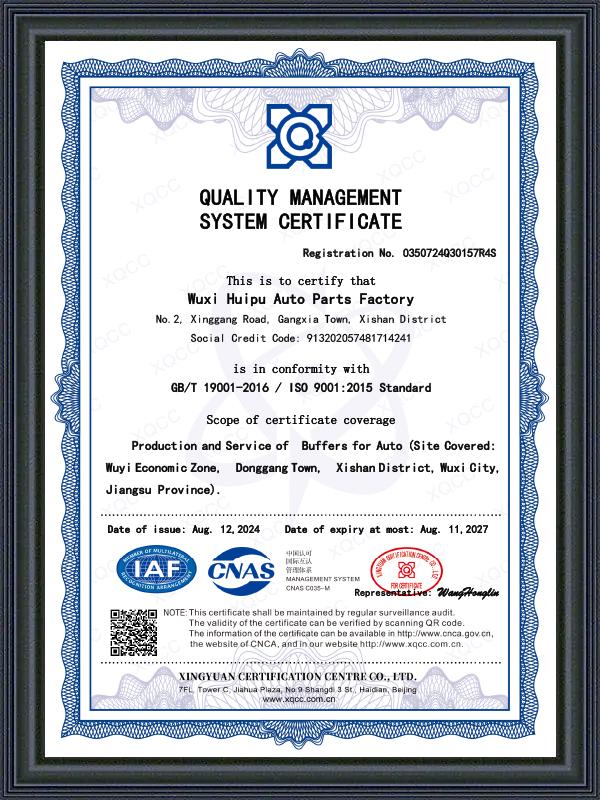
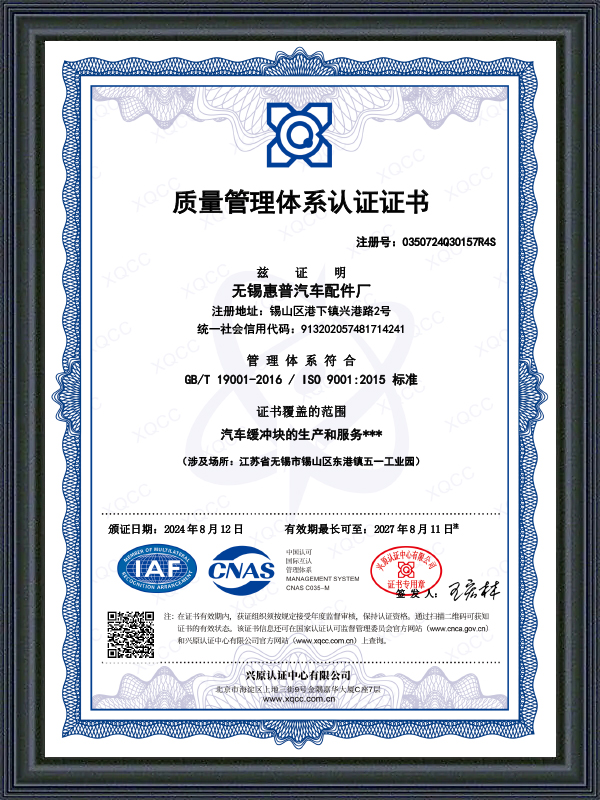
When comparing a standard rubber Automotive Front Bump Stop with a heavy-duty reinforced Automotive Front Bump Stop, the reinforced version provides superior long-term suspension protection. While standard rubber is adequate for daily driving and light loads, heavy-duty reinforced options excel und...
READ MOREThe Absorber Bump Stop is highly effective in preventing suspension bottoming out when properly matched to the vehicle's suspension system. Its primary function is to absorb and dissipate impact energy when suspension travel reaches its limit. By acting as a progressive cushioning component, it pre...
READ MOREThe key difference between clip-on and bolt-on Absorber Bump Stop systems lies in their installation security, structural rigidity, and long-term durability. In practical terms, clip-on systems are significantly faster to install—often taking 10–20 minutes per corner—while bolt-on systems require m...
READ MOREJapanese cars are widely recognized for their superior engineering, reliability, and comfortable driving experience. At the heart of their suspension systems are components like Japanese Car Shock Absorber Bump Stop, which play crucial roles in ensuring a smooth and controlled ride. These components not only improve comfort and handling but also enhance the overall durability of the vehicle.
Shock absorbers are a core component of any vehicle’s suspension system. Their primary purpose is to control the movement of the suspension and prevent excessive bouncing of the vehicle’s body. This becomes especially important when navigating uneven or rough road surfaces. In Japanese cars, the engineering behind shock absorbers focuses on achieving a balance between comfort and performance, which is essential for delivering a smooth ride while maintaining precise handling.
When a vehicle encounters a bump or road irregularity, the shock absorbers act as a dampening force, controlling the movement of the car’s suspension system. Without shock absorbers, the suspension would compress and rebound uncontrollably, leading to a bouncy and uncomfortable ride. Shock absorbers mitigate these movements by converting kinetic energy from the suspension’s motion into heat, which is then dissipated through hydraulic fluid or gas.
In Japanese vehicles, shock absorbers are designed to be highly effective in absorbing road shocks while offering a balance between comfort and handling. With advanced materials and technology, Japanese car manufacturers produce shock absorbers that adjust to varying road conditions. For instance, luxury and performance models often feature adaptive shock absorbers that can be adjusted based on the driving environment, providing more stability at high speeds and greater comfort on rough roads.
There are various types of shock absorbers used in Japanese vehicles, depending on the car’s performance needs and intended use. Below are some of the common types:
| Type | Description | Usage |
|---|---|---|
| Twin-Tube Shock Absorbers | The most commonly used design, featuring a double-tube structure for effective damping. | Everyday passenger cars and compact vehicles. |
| Monotube Shock Absorbers | Features a single tube for improved heat dissipation and better control of damping force. | Sports cars and high-performance models. |
| Air Suspension Systems | Uses air springs to adjust the ride height and damping, providing superior comfort and ride flexibility. | Luxury sedans and off-road vehicles. |
In addition to these common shock absorbers, Wuxi Huipu Auto Parts Co., Ltd. provides customized solutions for Japanese car manufacturers and aftermarket parts suppliers. We offer shock absorber components that integrate seamlessly with a variety of suspension systems, ensuring the highest levels of comfort and safety.
While shock absorbers manage the dynamic forces in a suspension system, bump stops are designed to protect the vehicle from excessive suspension travel and prevent damage when the suspension reaches its maximum compression. Bump stops are typically made from rubber or polyurethane materials and are positioned between the vehicle’s frame and suspension. Their role is crucial, as they prevent the metal components of the suspension from making direct contact with each other, which could cause significant damage to the vehicle.
The bump stop is an essential safety feature that cushions the suspension’s movement when it reaches the end of its travel. For example, if a vehicle goes over a large bump or pothole, the suspension may compress fully, and without a bump stop, the suspension components would bottom out. This could cause damage to the frame or suspension arms. The bump stop absorbs the remaining energy, preventing this damage and ensuring a smoother ride.
In Japanese vehicles, bump stops are engineered with precision to offer maximum protection without compromising ride comfort. Japanese manufacturers often design bump stops to be progressively more resistant as they compress, ensuring that they provide the correct level of cushioning as the suspension nears its limits.
| Type | Description | Advantages |
|---|---|---|
| Standard Rubber Bump Stops | Basic rubber construction that provides cushioning during suspension compression. | Cost-effective and durable for most passenger cars. |
| Polyurethane Bump Stops | Made from a more durable and flexible material, providing enhanced resistance to wear and tear. | Ideal for performance and off-road vehicles. |
| Progressive Bump Stops | Feature a design that increases resistance as compression increases, offering more control. | Best for vehicles with heavy-duty suspension. |
Wuxi Huipu Auto Parts Co., Ltd. specializes in manufacturing high-quality bump stops that are tailored to the specific requirements of Japanese cars. We use advanced materials and precision engineering to produce bump stops that offer excellent durability and performance. By integrating our bump stops with dust covers, we provide comprehensive solutions that ensure long-lasting protection for shock absorbers and suspension systems.
The combination of shock absorbers and bump stops is integral to the suspension systems of Japanese cars. These components work together to deliver an optimal driving experience by managing both dynamic suspension movements and limiting extreme travel. When working in harmony, they ensure that the vehicle’s suspension can handle various driving conditions without causing discomfort to the driver or passengers, and without damaging the suspension system.
When a car’s suspension system is subjected to bumps or road imperfections, the shock absorbers and bump stops work in tandem to manage the forces at play. Shock absorbers provide continuous damping, while bump stops cushion the final stages of compression. This synergy ensures that the suspension does not bottom out or become too stiff, allowing for smooth handling and ride quality.
Wuxi Huipu Auto Parts Co., Ltd. plays a pivotal role in providing these essential components to the automotive industry. Our bump stops, paired with shock absorbers, contribute significantly to the overall performance of Japanese cars. We ensure that our products meet the rigorous standards of durability and precision required by Japanese car manufacturers, allowing for a reliable and comfortable driving experience.
In addition to providing comfort and handling, shock absorbers and bump stops contribute to the longevity of the vehicle’s suspension system. Bump stops prevent the suspension from bottoming out and causing damage, while shock absorbers protect the vehicle’s frame from excessive force. Both components are designed to wear evenly and last for extended periods with proper maintenance.
At Wuxi Huipu Auto Parts Co., Ltd., we recognize the importance of maintaining high-quality components. We offer repair kits that combine our bump stops with dust covers, allowing customers to keep their suspension systems in top condition. Our repair kits are designed for ease of installation and long-term performance, ensuring that Japanese vehicles maintain their ride quality and structural integrity.

 Add: Wuyi Industrial Park, Donggang Town, Wuxi, Jiangsu, China.
 +86-510-88350093
 [email protected]
 +86-510-88766081
Copyright © 2025 Wuxi Huipu Auto Parts Co., Ltd. All Rights Reserved.
 OEM/ODM Japanese Suspension Bump Stop Suppliers
