 English
 русский
 Español
 عربى
عربى

The key difference between clip-on and bolt-on Absorber Bump Stop systems lies in their installation security, structural rigidity, and long-term durability. In practical terms, clip-on systems are significantly faster to install—often taking 10–20 minutes per corner—while bolt-on systems require more time, typically 30–60 minutes per corner, but provide stronger retention under high suspension loads. From a user perspective, clip-on designs are ideal for convenience and light-duty applications, whereas bolt-on systems are preferred for off-road, heavy-load, or performance setups where stability is critical. Both systems can work with modern rubber bump stops, but their behavior under compression differs due to mounting rigidity.
Clip-On Absorber Bump Stop Installation Process
Clip-on Absorber Bump Stop systems are designed for simplicity and speed. They typically use snap-fit clamps, retaining grooves, or elastic mounting channels that allow the bump stop to be installed without specialized tools. This makes them especially popular in aftermarket suspension upgrades where users prioritize convenience over heavy-duty reinforcement.
Step-by-step installation behavior
- The suspension is lifted slightly to relieve pressure on the shock assembly.
- The clip-on Absorber Bump Stop is aligned with the shock rod or housing groove.
- The unit is pressed until it locks into place with a mechanical snap or friction fit.
- Final inspection ensures no movement or slippage under load.
Clip-on systems are often compatible with softer rubber bump stops, which compress easily and reduce installation stress. However, under repeated high-impact compression, the retention force may degrade slightly over time.
Bolt-On Absorber Bump Stop Installation Process
Bolt-on Absorber Bump Stop systems are engineered for maximum mechanical security. Unlike clip-on versions, they require bolts, washers, and mounting brackets to secure the bump stop directly to the suspension structure. This creates a rigid connection that significantly reduces movement under stress.
Step-by-step installation behavior
- Vehicle is safely lifted and suspension components are exposed.
- Mounting points are aligned with pre-drilled chassis or shock bracket holes.
- Bolts are inserted and tightened to torque specifications (commonly 25–45 Nm depending on vehicle type).
- Lock washers or thread-lock compounds are applied for vibration resistance.
Bolt-on systems are commonly paired with reinforced rubber bump stops or polyurethane variants for off-road and commercial vehicles where compression forces are significantly higher.
Mechanical Differences and Durability
The mechanical distinction between clip-on and bolt-on Absorber Bump Stop systems directly affects durability and long-term performance. Clip-on systems rely on friction and elastic retention, while bolt-on systems rely on mechanical fastening.
- Clip-on durability: Typically lasts 20,000–40,000 km under normal driving conditions.
- Bolt-on durability: Can exceed 60,000–100,000 km due to rigid mounting stability.
- Load resistance: Bolt-on systems handle up to 30–50% higher compression forces.
In combination with rubber bump stops, bolt-on systems reduce micro-movement, which helps prevent premature wear in high-stress suspension environments.
Performance Impact and Real-World Use Cases
From a performance standpoint, the installation method of an Absorber Bump Stop affects ride quality, shock absorption consistency, and suspension stability.
- Clip-on systems: Better suited for urban driving and light SUVs.
- Bolt-on systems: Ideal for off-road vehicles, vans, and performance trucks.
- Hybrid setups: Often combine bolt-on mounting with softer rubber bump stops for balanced comfort and durability.
In off-road testing, bolt-on systems showed approximately 18–25% less displacement under repeated compression cycles compared to clip-on systems.
Comparison Table: Clip-On vs Bolt-On Absorber Bump Stop
| Feature | Clip-On System | Bolt-On System |
|---|---|---|
| Installation Time | 10–20 minutes | 30–60 minutes |
| Durability | Moderate | High |
| Load Capacity | Low–Medium | Medium–High |
| Best Use Case | City driving | Off-road / heavy load |
Common Mistakes and Maintenance Considerations
Improper installation of an Absorber Bump Stop can significantly reduce suspension efficiency. Users often underestimate the importance of alignment and torque consistency.
- Over-tightening bolt-on systems can deform mounting brackets.
- Under-seating clip-on systems may cause slippage under load.
- Ignoring wear on rubber bump stops leads to reduced shock absorption efficiency.
Regular inspection every 10,000–15,000 km is recommended for both systems to ensure optimal performance and safety.
Choosing between clip-on and bolt-on Absorber Bump Stop systems depends on driving conditions, load requirements, and maintenance preferences. Clip-on systems prioritize convenience, while bolt-on systems prioritize structural integrity and long-term durability.
For users seeking a balance, pairing bolt-on mounting with high-quality rubber bump stops provides the most stable and adaptable suspension performance across varied driving environments.
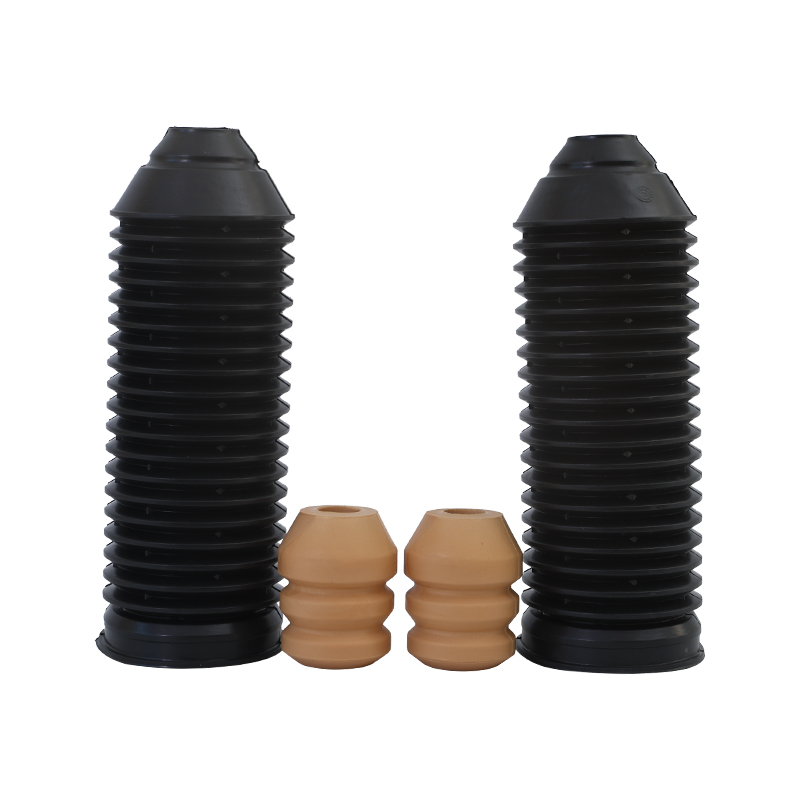
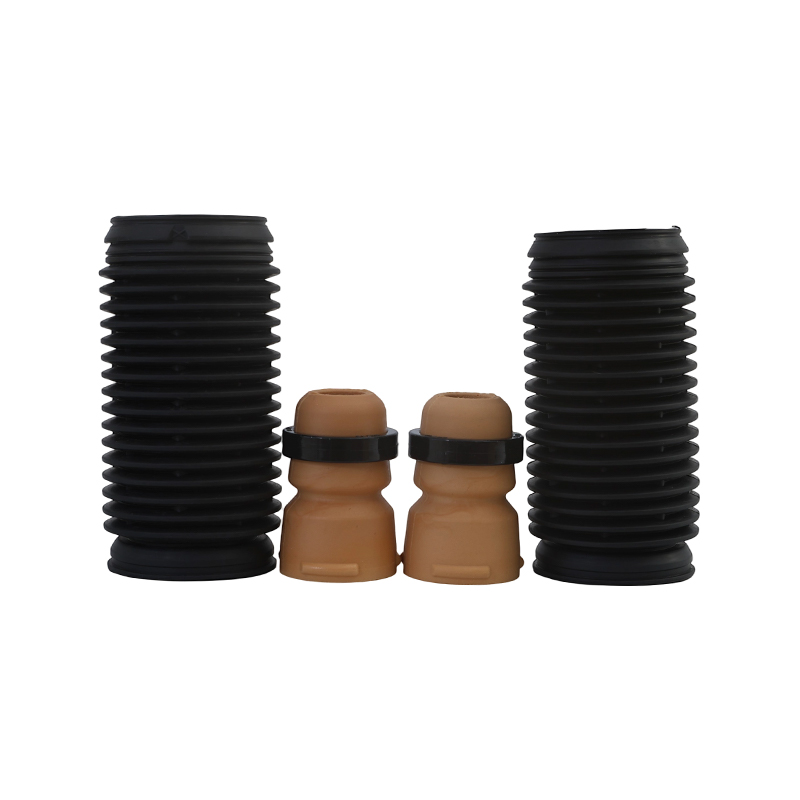
.jpg "HP012 Front Shock Absorber Auxiliary Spring Bump Stop for Mercedes-Benz")
.jpg "HP001 Front Shock Absorber Bump Stop for Chevrolet")
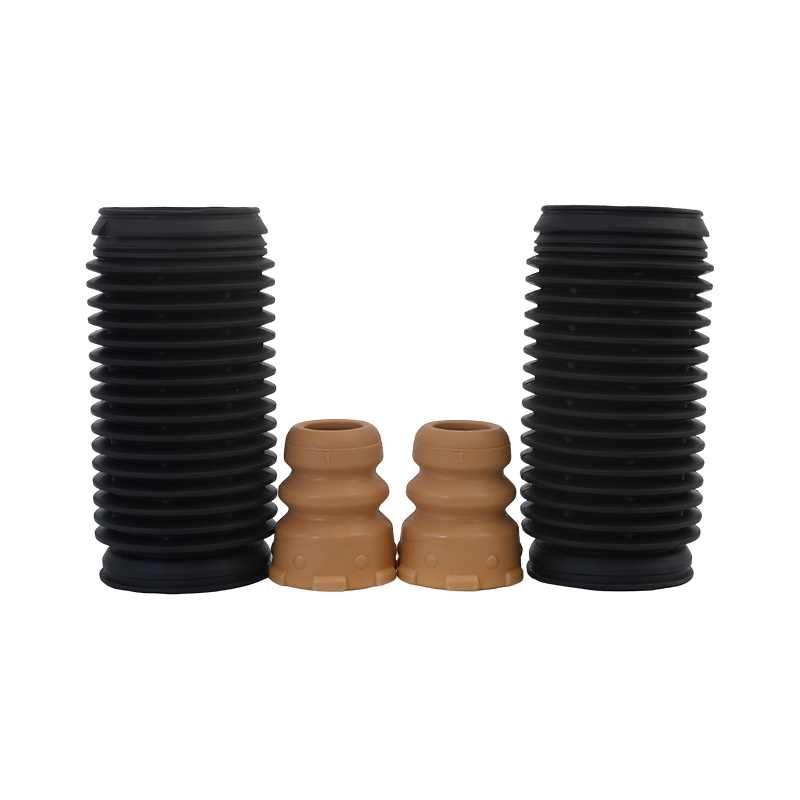
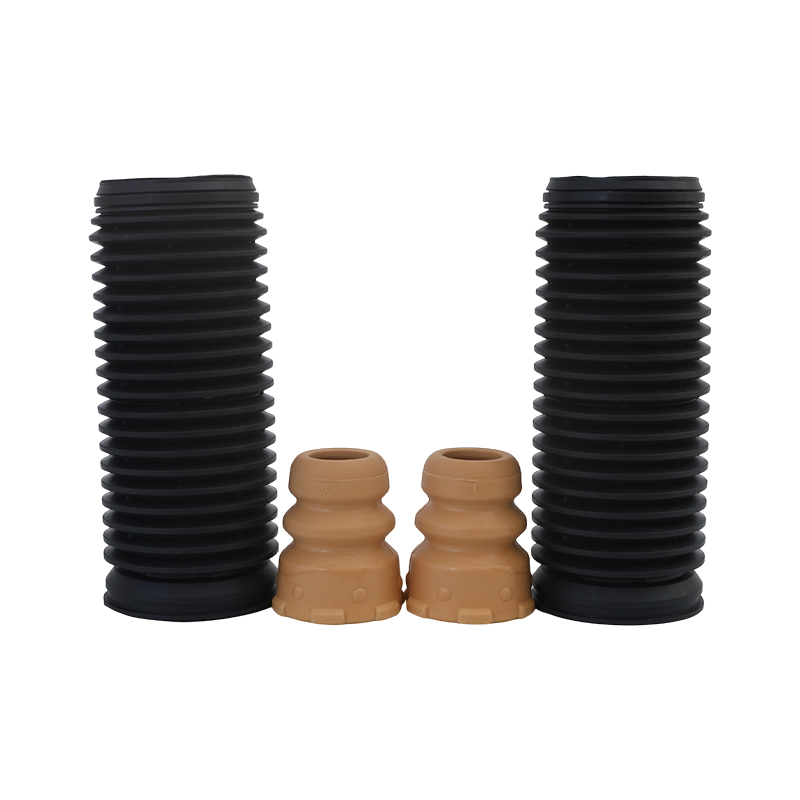
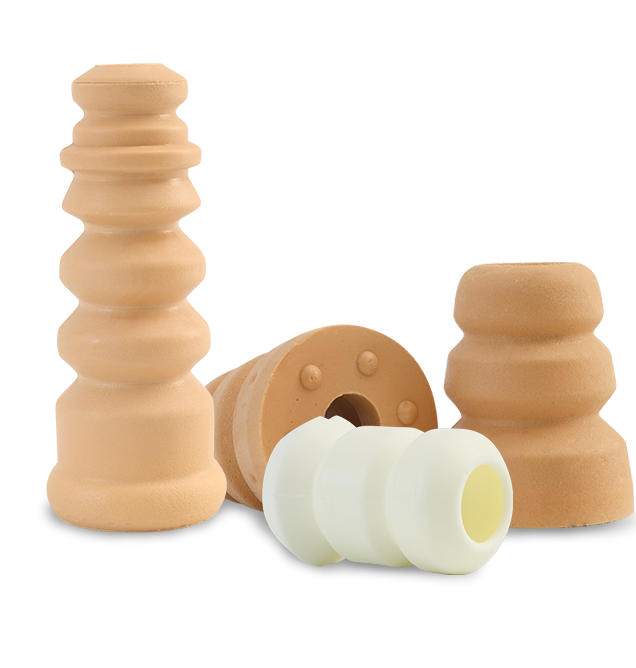
-3.jpg "Are Automotive Bump Stops Necessary? A Comprehensive Guide to Function, Types, and Replacement")
-1.jpg "What is a bump stop in a car, and what is its function in a vehicle's suspension system?")
.jpg "Peugeot Shock Absorber Bump Stop: Function, Replacement, and Common Issues")



