 English
 русский
 Español
 عربى
عربى

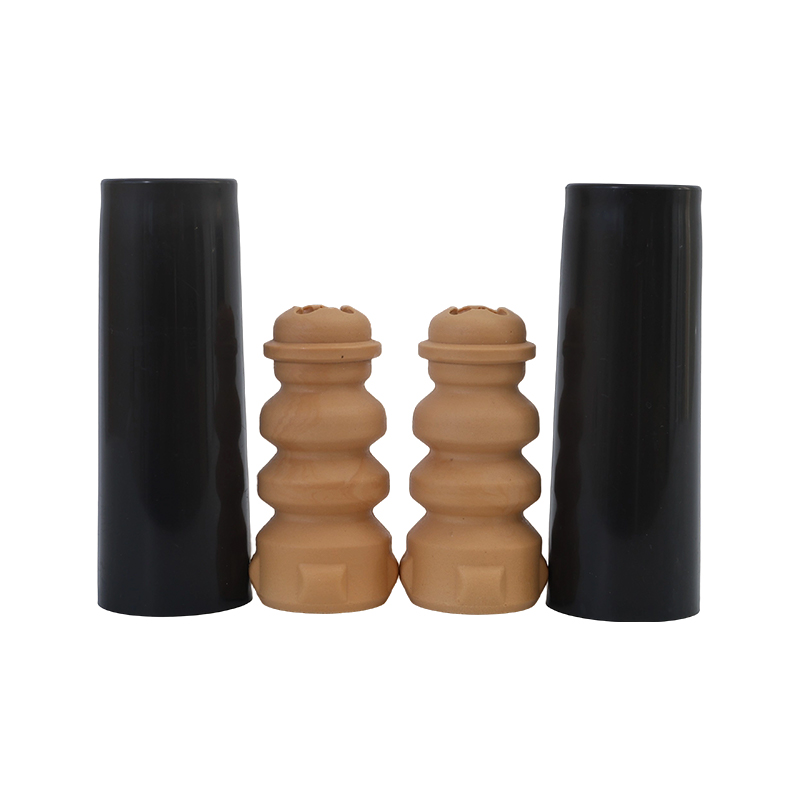
When it comes to protecting your vehicle's shock absorbers and strut assemblies, a Bump Stop and Dust Cover Kit consistently outperforms a standalone bump stop in terms of comprehensive suspension protection. While a standalone bump stop only cushions metal-to-metal contact at full compression, the kit adds a dust cover that shields the shock absorber shaft from dirt, moisture, and road debris — addressing two critical failure points rather than one. For drivers seeking complete protection, the kit is the more logical and cost-effective choice.
What a Standalone Bump Stop Actually Does
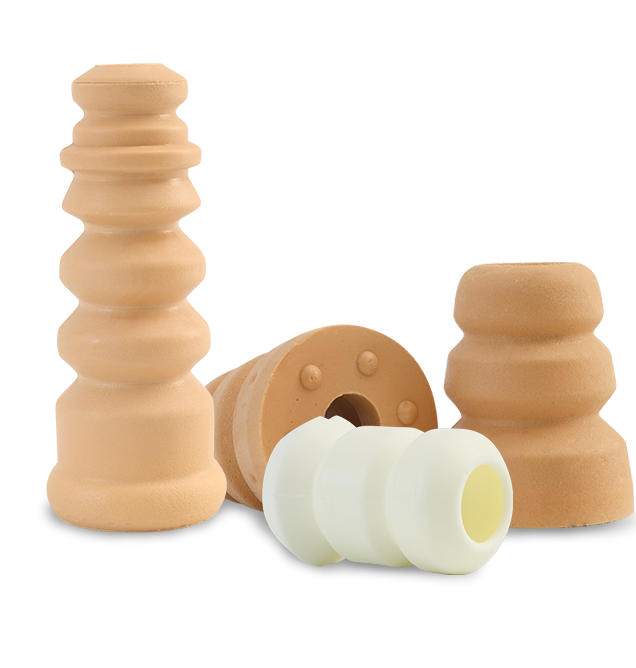
A standalone bump stop is a compressed foam or rubber cushion positioned around the shock absorber shaft. Its sole function is to absorb energy during full suspension compression — preventing harsh metal-to-metal contact between the suspension components and the vehicle chassis. Without it, extreme compression events such as hard landings, deep potholes, or off-road impacts would cause damaging collisions within the suspension assembly.
However, a standalone bump stop leaves the shock absorber shaft entirely exposed. Over time, fine dust particles, mud, and road salt infiltrate the shaft and accelerate seal wear. Studies from suspension component manufacturers suggest that contamination-related seal failure accounts for over 40% of premature shock absorber replacements. This is exactly the gap the Bump Stop and Dust Cover Kit is designed to close.
What the Bump Stop and Dust Cover Kit Adds
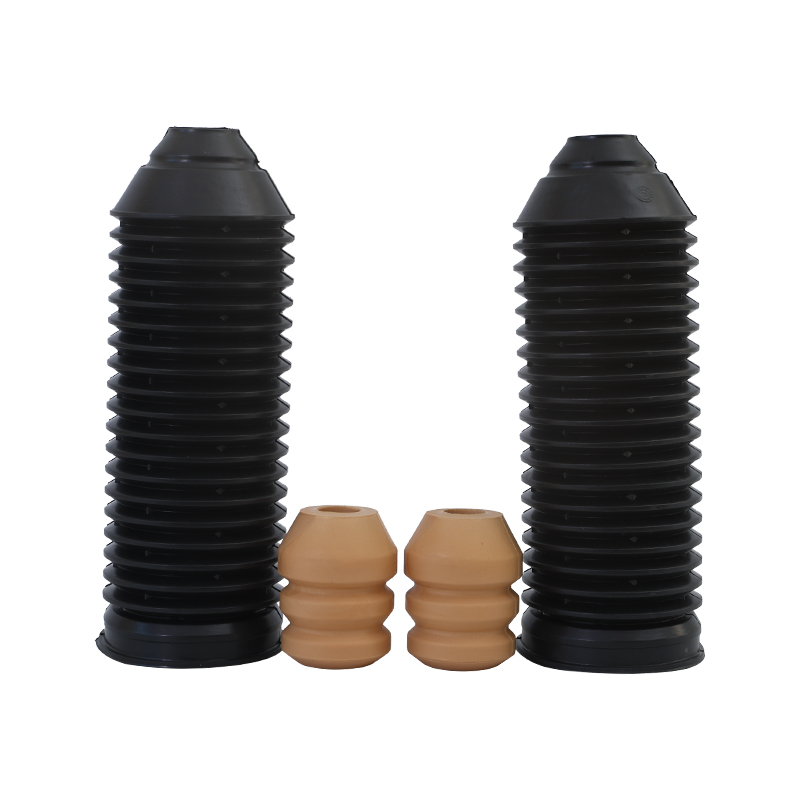
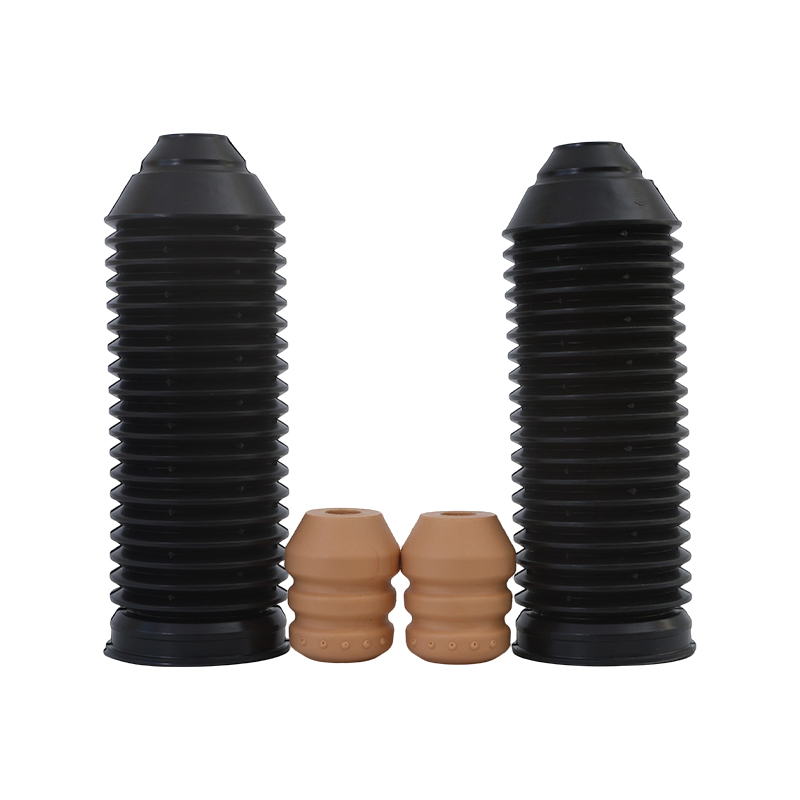
The Bump Stop and Dust Cover Kit combines the energy-absorbing bump stop with a flexible pleated dust boot that wraps around the full exposed length of the shock absorber shaft. Together, they form a dual-layer defense system:
- Bump stop: Absorbs impact energy at maximum compression, protecting the shock body and chassis mounting points.
- Dust cover: Seals the shaft from contaminants — dirt, grit, moisture, and road spray — across the full range of suspension travel.
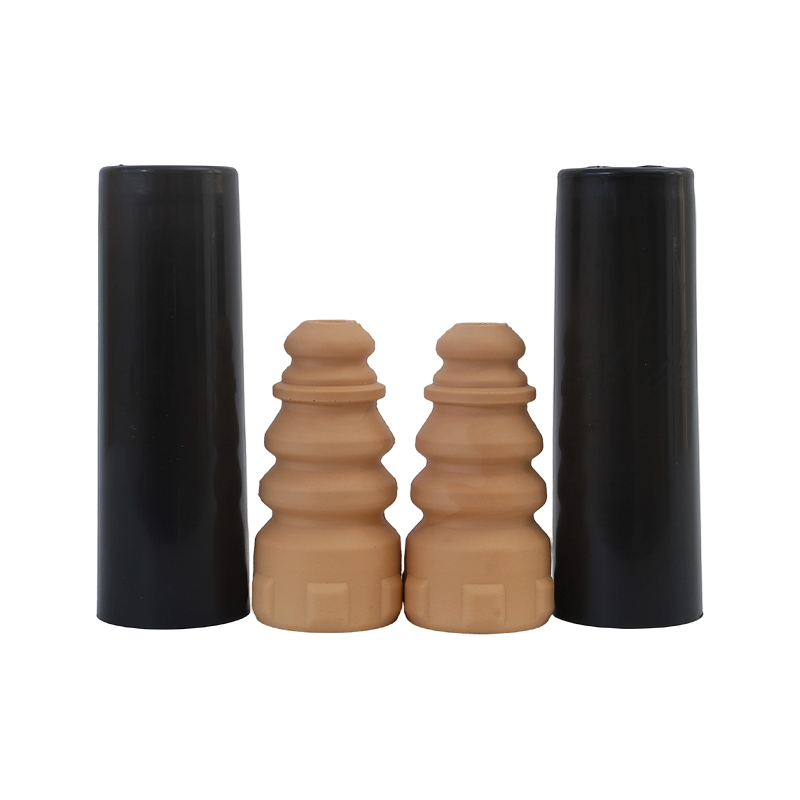
This combination is especially important for the rear axle. A quality Rear Bump Stop and Dust Cover is frequently subjected to higher contamination exposure due to road spray thrown by the rear wheels. Without the dust cover, rear shock absorbers in wet or unpaved conditions can develop pitting on the shaft surface within 20,000–30,000 miles, leading to oil seal failure and damper fluid leakage.
Side-by-Side Comparison: Kit vs. Standalone Bump Stop
| Feature | Standalone Bump Stop | Bump Stop and Dust Cover Kit |
|---|---|---|
| Impact absorption | Yes | Yes |
| Shaft contamination protection | No | Yes |
| Moisture ingress prevention | No | Yes |
| Shock absorber service life extension | Moderate | Significant |
| Noise reduction (NVH) | Partial | More complete |
| Typical cost difference | Lower upfront | Marginally higher, better value |
| Recommended for off-road / wet climates | Not ideal | Strongly recommended |
Material Quality and Its Impact on Protection Level
Not all kits are created equal. The protection offered by a Bump Stop and Dust Cover Kit varies significantly depending on material composition. High-quality dust covers are typically manufactured from EPDM rubber or thermoplastic elastomer (TPE), both of which maintain flexibility across a temperature range of approximately -40°C to +120°C. Lower-grade kits using standard natural rubber tend to harden and crack within two to three winters in cold climates, negating the protective benefit entirely.
The bump stop foam density also matters. OEM-equivalent kits typically use microcellular polyurethane foam rated for progressive load resistance, which distributes compression force evenly rather than bottoming out sharply. Compared to a generic standalone bump stop made from recycled rubber, this results in noticeably smoother suspension behavior at the limit of travel.
Key Material Attributes to Look For
- Dust cover material: EPDM or TPE preferred over natural rubber
- Bump stop material: microcellular polyurethane foam for progressive compression
- UV stabilization additives in the dust cover material
- Oil and chemical resistance for environments with road treatment chemicals
When a Bump Stop and Dust Cover Repair Kit Is the Right Call
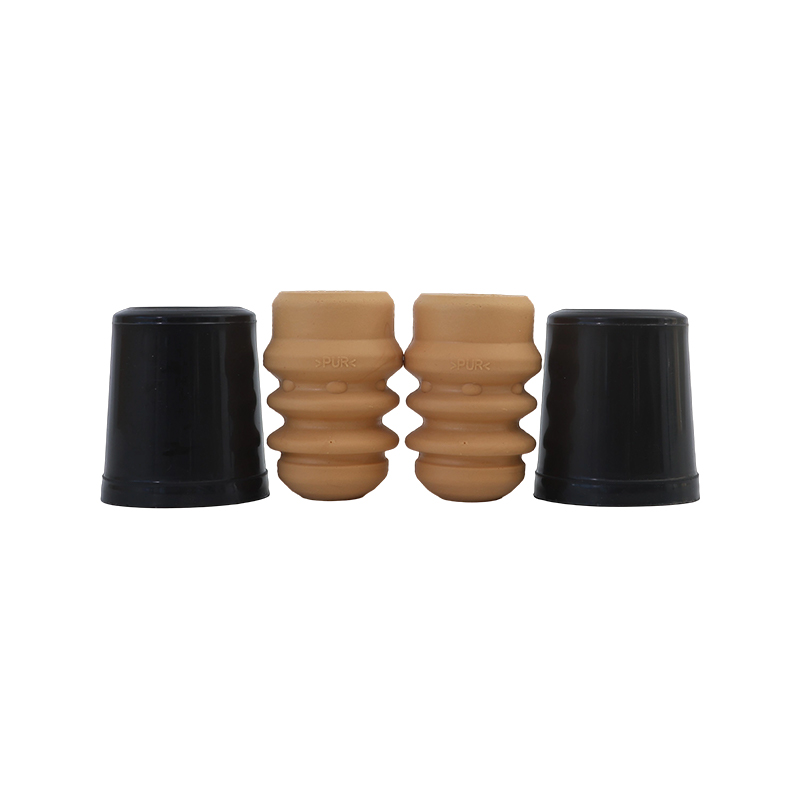
In many cases, drivers discover suspension issues during routine maintenance — a torn dust boot, a crumbling bump stop, or both simultaneously. Rather than replacing the entire strut assembly, a Bump Stop and Dust Cover Repair Kit offers a targeted and economical solution. These repair kits are designed as direct-fit replacements that restore OEM-level protection at a fraction of the cost of a complete strut replacement.
A typical complete strut assembly replacement can cost anywhere from $200 to $600 per corner including labor. By contrast, a Bump Stop and Dust Cover Repair Kit is usually priced between $15 and $50 per corner, with installation achievable in under an hour by a competent DIY mechanic using standard hand tools. The repair kit approach makes particular sense when the shock absorber itself is still within its service life — replacing only the protective components avoids unnecessary expenditure.
The repair kit is also the preferred choice when a vehicle has accumulated visible shaft scoring or pitting due to a previously failed dust cover. Installing a fresh dust cover at that point at minimum prevents further contamination, even if some surface damage already exists.
Noise, Vibration, and Harshness (NVH) Benefits
One practical advantage that is frequently underestimated is the NVH improvement delivered by a complete Bump Stop and Dust Cover Kit versus a standalone bump stop. The dust cover itself acts as a secondary acoustic barrier. When the suspension cycles rapidly over rough surfaces, the accordion-style pleated boot dampens high-frequency vibration traveling up the shock shaft — reducing the transmission of road noise into the cabin.
Drivers who have replaced a deteriorated kit report a noticeable reduction in the characteristic tapping or slapping noise associated with worn suspension components. This is particularly evident in the rear of the vehicle, where a properly fitted Rear Bump Stop and Dust Cover can eliminate the hollow clunking sounds that occur over expansion joints and speed bumps.
Compatibility: Stock, Lowered, and Lifted Applications
Compatibility is an important consideration when selecting a Bump Stop and Dust Cover Kit. Direct-fit kits are engineered for stock ride height and specific vehicle platforms, ensuring correct bump stop length and dust cover diameter. For vehicles that have been lowered or lifted, universal kits or application-specific performance kits may be required.
- Lowered vehicles: Shorter bump stops are required to avoid premature contact during normal suspension travel; standard-length kits will cause a harsh, springy ride.
- Lifted vehicles: Longer dust covers are necessary to maintain shaft coverage across the extended suspension travel range.
- Coilover setups: Some coilover kits include integrated bump stops; in these cases, only the dust cover portion of the kit may be needed.
Always confirm the vehicle's ride height and suspension configuration before purchasing. Mismatched kit lengths are one of the most common installation errors and can result in either inadequate protection or interference with suspension travel.
Recommended Replacement Intervals
As a general guideline, the Bump Stop and Dust Cover Kit should be inspected every 30,000 miles and replaced proactively every 50,000–70,000 miles, or whenever the shock absorbers are serviced. In harsh operating environments — including salted winter roads, unpaved tracks, or high-humidity coastal regions — earlier inspection at 20,000-mile intervals is advisable.
Visible signs that the kit requires immediate replacement include:
- Cracked, torn, or collapsed dust cover boot
- Bump stop foam that has compressed permanently or disintegrated
- Visible grit or corrosion deposits on the shock absorber shaft
- Audible clunking or thumping over rough surfaces at full suspension travel
- Oil film or dampness near the shock absorber seal — often a sign of contamination-related seal wear
Addressing these signs promptly with a fresh Bump Stop and Dust Cover Repair Kit can prevent a relatively inexpensive maintenance task from escalating into a full shock absorber or strut assembly replacement costing several times more.
For any driver prioritizing the longevity of their suspension system, the Bump Stop and Dust Cover Kit is unambiguously the superior choice over a standalone bump stop. It addresses both mechanical impact protection and environmental contamination — the two primary causes of premature shock absorber failure. The marginal cost difference between a standalone bump stop and the full kit is negligible compared to the extended service life it delivers to the underlying components.
Whether you are performing a routine refresh on a daily driver, restoring rear suspension integrity with a Rear Bump Stop and Dust Cover, or using a Bump Stop and Dust Cover Repair Kit to address specific wear, choosing the complete kit approach is a practical investment that pays dividends in reduced maintenance costs and a more composed, quieter ride.

-3.jpg "Are Automotive Bump Stops Necessary? A Comprehensive Guide to Function, Types, and Replacement")
-1.jpg "What is a bump stop in a car, and what is its function in a vehicle's suspension system?")
.jpg "Peugeot Shock Absorber Bump Stop: Function, Replacement, and Common Issues")



