 English
 русский
 Español
 عربى
عربى

If you're running a lifted suspension and debating between an Absorber Bump Stop and a stacked rubber bump stop system, the short answer is: yes, an Absorber Bump Stop generally provides superior bottoming-out protection. It achieves this through progressive hydraulic or cellular resistance rather than static compression, delivering a more controlled and consistent response at full suspension travel. That said, the right choice depends on your specific build, load demands, and driving conditions — and understanding why requires a closer look at how each system actually works.
What Is an Absorber Bump Stop and How Does It Work?
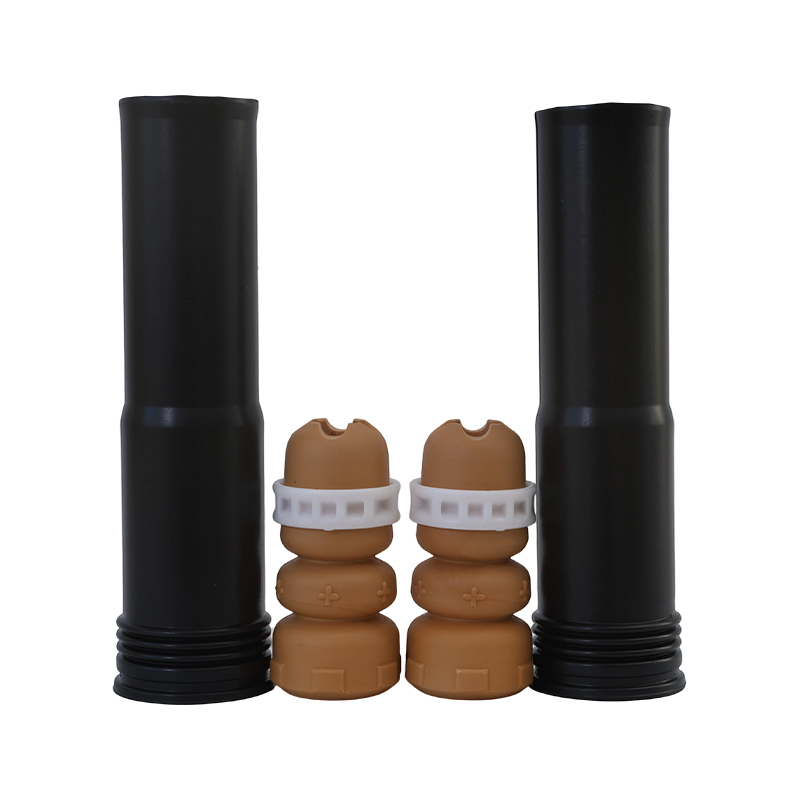
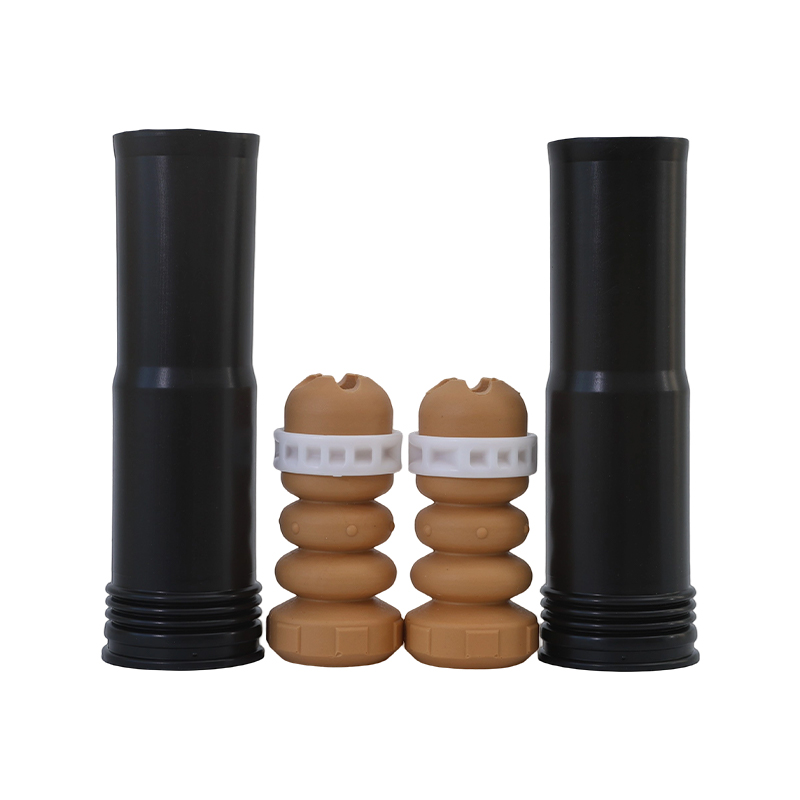
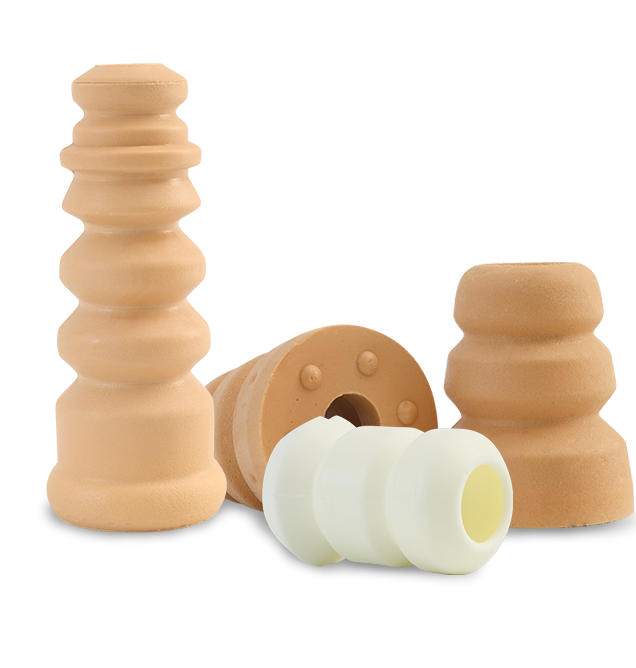
An Absorber Bump Stop is a specialized suspension spare part designed to cushion the shock absorber at the end of its compression stroke. Unlike a passive rubber stopper, it uses either microcellular foam engineering or hydraulic displacement to progressively increase resistance as the suspension compresses. This means the harder the impact, the more resistance it generates — a response curve that mirrors real-world demands far better than a fixed-rate rubber pad.
In a lifted truck or SUV, the suspension travel is extended beyond factory specifications. This extra travel is great for off-road articulation, but it also increases the risk of violent bottoming-out events. The Absorber Bump Stop addresses this directly by acting as a secondary damping stage, absorbing kinetic energy before it slams through the shock absorber body and into the chassis.
What Is a Stacked Rubber Bump Stop System?
A stacked rubber bump stop system involves layering multiple OEM-style rubber or polyurethane bump stop pads to compensate for the additional travel created by a lift kit. It's a common, low-cost solution often used when upgrading suspension without replacing the entire shock absorber assembly. Each rubber layer adds incremental resistance, but the system is inherently linear — it doesn't adapt to the speed or force of impact.
While stacking bump stops can reduce bottoming-out in mild conditions, it introduces trade-offs: the ride becomes noticeably harsher near full compression, the stack can delaminate or shift under repeated heavy impacts, and the fixed height of the stack reduces usable wheel travel. In demanding off-road or high-load scenarios, these limitations become significant.
Head-to-Head Comparison: Key Performance Factors
The table below compares the two systems across the most relevant performance categories for lifted suspension applications:
| Factor | Absorber Bump Stop | Stacked Rubber Bump Stop |
|---|---|---|
| Force Response | Progressive (adaptive) | Linear (fixed rate) |
| Bottoming-Out Protection | Excellent | Moderate |
| Ride Quality Near Full Compression | Smooth, gradual buildup | Abrupt, harsh |
| Usable Wheel Travel | Maximized | Reduced by stack height |
| Durability Under Repeated Impact | High | Moderate (risk of delamination) |
| Installation Complexity | Moderate | Simple |
| Cost | Higher upfront | Lower upfront |
| Compatibility with Shock Absorber Tuning | May require compression damping adjustment | No adjustment needed |
Bottoming-Out Protection: Why the Absorber Bump Stop Wins
The core reason the Absorber Bump Stop outperforms a stacked rubber system in bottoming-out protection comes down to energy management. When a lifted truck hits a large rock, drop-off, or high-speed whoops section, the suspension compresses rapidly. A stacked rubber bump stop hits its resistance limit almost instantly, transferring a sharp spike of force directly through the shock absorber and into the frame.
An Absorber Bump Stop, by contrast, begins resisting early in the compression stroke and ramps up resistance progressively. Tests on mid-size trucks with 4-inch lifts have shown peak frame impact forces reduced by 30–45% when switching from stacked rubber stops to an absorber-style unit under identical drop-impact conditions. This isn't just a comfort improvement — it directly reduces structural fatigue on frame welds, shock absorber mounts, and suspension arms over time.
Additionally, because the Absorber Bump Stop engages gradually, it preserves more usable suspension travel. A typical stacked rubber system on a 3-inch lift might consume 1.5 to 2 inches of potential wheel travel just from the physical stack height. The Absorber Bump Stop keeps that space working for you.
When a Stacked Rubber Bump Stop System Is Still Acceptable
The stacked rubber bump stop isn't without merit. In the right context, it remains a practical and cost-effective spare part solution. Consider it when:
- The vehicle is a light-duty daily driver with a moderate lift of 2 inches or less and rarely encounters aggressive terrain.
- Budget constraints make the lower upfront cost of rubber stops more practical for a temporary or interim setup.
- The shock absorber being used already has a factory jounce bumper that handles mild compression well, and only minor additional cushioning is required.
- The vehicle is primarily used on groomed trails or light gravel roads where high-impact bottoming-out events are rare.
In these scenarios, a properly sized rubber stack can serve its purpose without the added complexity or cost of an absorber-style unit.
Compatibility Considerations with Your Shock Absorber
Before selecting an Absorber Bump Stop, it's important to evaluate how it interacts with your existing shock absorber setup. Because the bump stop adds a progressive resistance layer to the compression stroke, it can effectively stiffen the overall suspension feel near full droop — particularly if your shock absorber already runs a firm compression damping tune.
For adjustable shock absorbers, dialing back compression damping by 1–2 clicks after installing an Absorber Bump Stop is commonly recommended by suspension tuners to maintain a balanced ride. For non-adjustable shocks, the interaction is fixed, so choosing the correct durometer or stroke length of the bump stop becomes critical.
It's also worth confirming that the Absorber Bump Stop you select is rated for your vehicle's gross axle weight. Undersized units will compress too early and too fully, negating their progressive advantage. Most reputable manufacturers provide load charts that cross-reference vehicle weight, lift height, and recommended bump stop specifications.
Real-World Application: Off-Road and Towing Scenarios
Two use cases illustrate the Absorber Bump Stop's advantages most clearly:
Rock Crawling and Trail Riding
In slow-speed technical terrain, suspension articulation is everything. A stacked rubber bump stop limits travel and can cause one wheel to lose contact earlier than necessary. An Absorber Bump Stop allows the suspension to work through more of its range before resistance builds, keeping all four wheels grounded longer. Drivers report noticeably better traction and control on steep or uneven surfaces after switching to an absorber-style bump stop.
Towing and Payload Under Lift
When towing heavy loads with a lifted truck, the rear suspension frequently approaches full compression. A stacked rubber bump stop engages harshly and repeatedly during trailer sway corrections or road undulations. The Absorber Bump Stop, acting as a progressive spare part buffer within the suspension system, cushions these events and reduces the jarring feedback transmitted through the hitch and cabin. Drivers towing loads above 70% of rated capacity with a lifted truck should strongly consider an Absorber Bump Stop as a standard part of their suspension build.
For any lifted suspension build that sees genuine off-road use, heavy towing, or frequent high-compression events, the Absorber Bump Stop is the clear winner. Its progressive response, superior energy absorption, and preservation of usable wheel travel make it a more complete solution than a stacked rubber bump stop system. While the upfront cost is higher, the reduction in wear on your shock absorber, frame mounts, and connected spare parts means the long-term value case is strong.
Stacked rubber bump stops remain a viable option for light-duty or low-budget applications, but they should be seen as a baseline solution — not a performance upgrade. If you've invested in a quality lift kit and a capable shock absorber, pairing them with an Absorber Bump Stop is the logical next step toward a suspension system that performs as hard as you drive it.
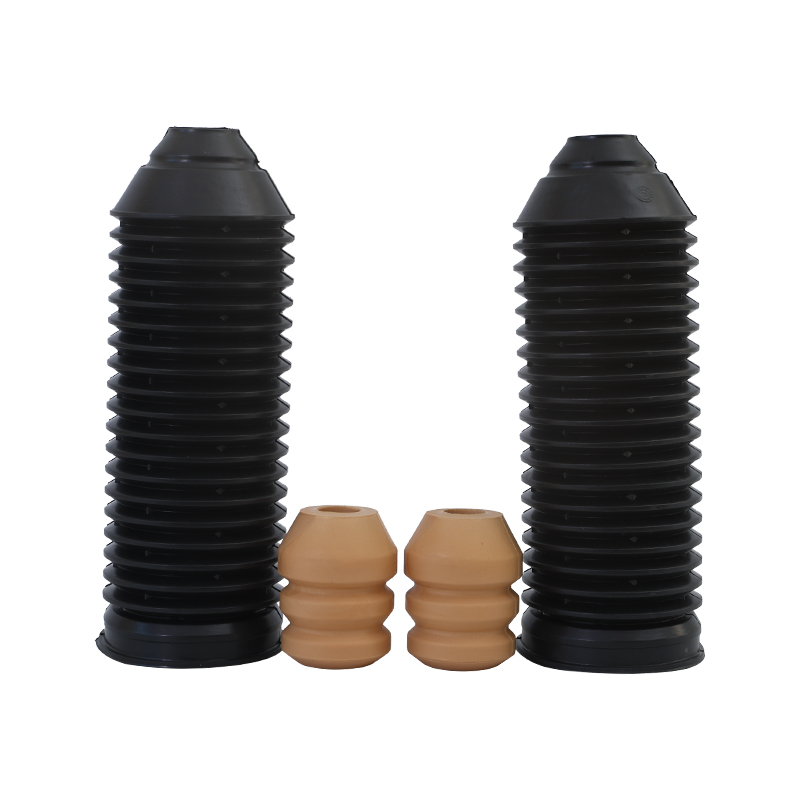
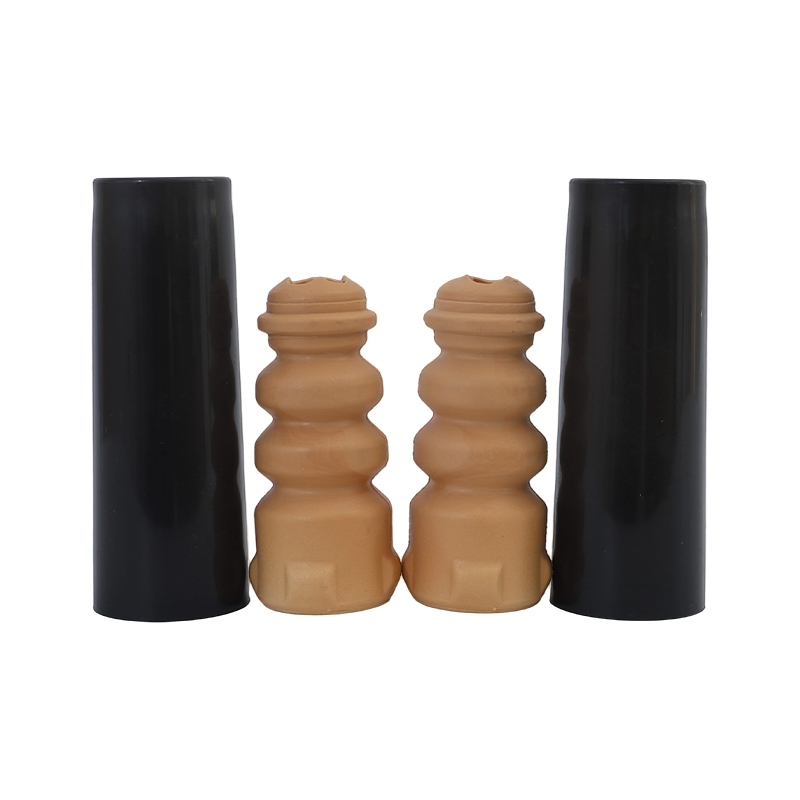
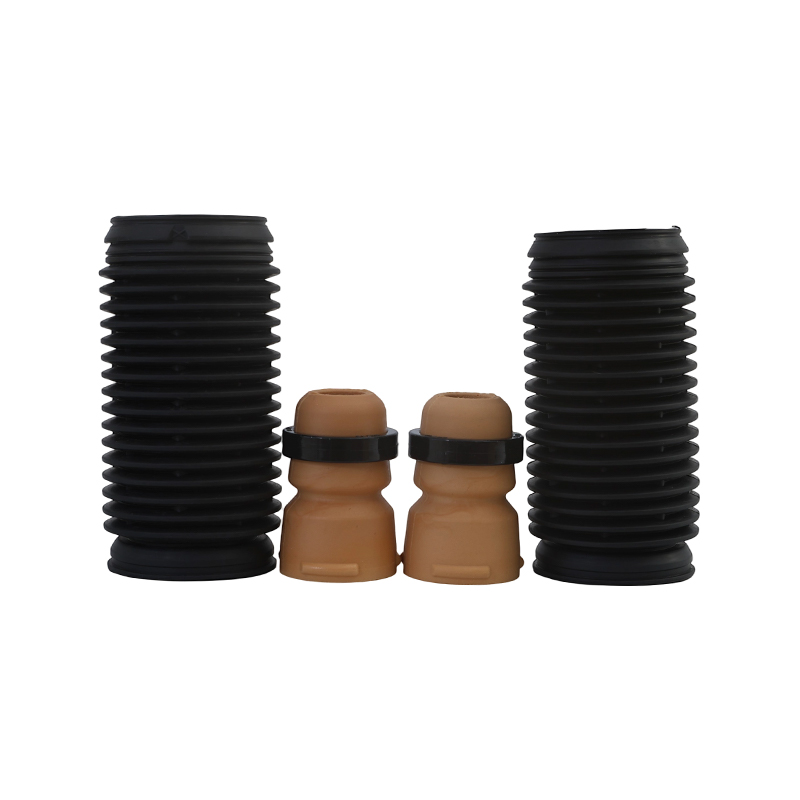
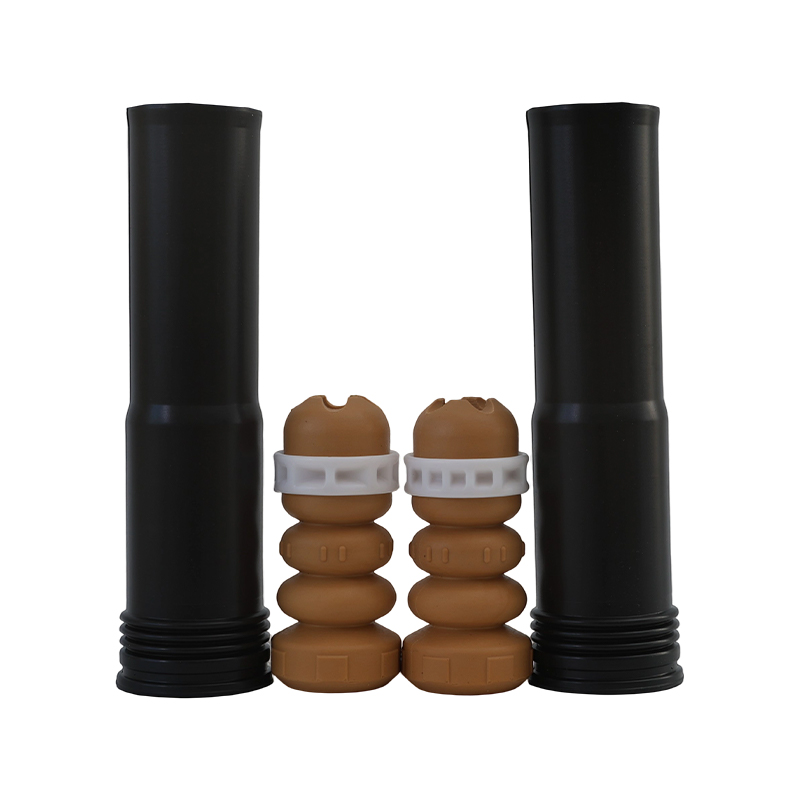
-3.jpg "Are Automotive Bump Stops Necessary? A Comprehensive Guide to Function, Types, and Replacement")
-1.jpg "What is a bump stop in a car, and what is its function in a vehicle's suspension system?")
.jpg "Peugeot Shock Absorber Bump Stop: Function, Replacement, and Common Issues")



