 English
 русский
 Español
 عربى
عربى

The core difference is this: a progressive-rate automotive bump stop increases its resistance gradually as it compresses, while a standard flat bump stop delivers a near-constant, abrupt resistance from the moment of contact. This distinction has a direct impact on ride comfort, suspension travel, and vehicle control — especially under heavy load or extreme driving conditions.
Both types serve the same fundamental purpose — preventing metal-to-metal contact between suspension components at full compression — but the way they achieve that goal is mechanically very different. Choosing the wrong type for your application can lead to poor ride quality, premature wear, or even suspension damage.
What Is a Standard Flat Automotive Bump Stop?
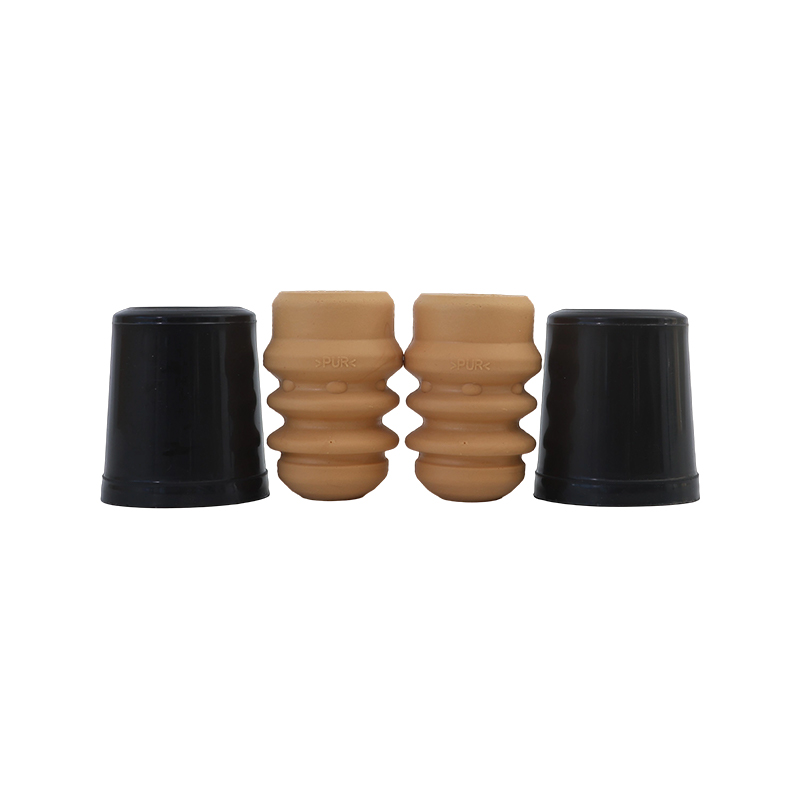
A standard flat bump stop — sometimes called a solid or linear bump stop — is typically a cylindrical or disc-shaped component made from rubber or hard polyurethane. Its cross-section is uniform throughout, meaning the contact surface engages the suspension with the same stiffness at 10% compression as it does at 90% compression.
In practice, this creates a sharp, jarring transition when the suspension reaches full travel. Drivers often describe hitting a standard flat bump stop as feeling like a hard "clunk" or sudden jolt, particularly on rough roads or during hard cornering. These are commonly found as OEM components on budget passenger vehicles and light-duty trucks where cost is prioritized over ride refinement.
Standard flat bump stops are durable and inexpensive — a typical replacement unit costs between $5 and $25 — but their linear response curve is their biggest limitation in performance or comfort-critical applications.
What Is a Progressive-Rate Automotive Bump Stop?
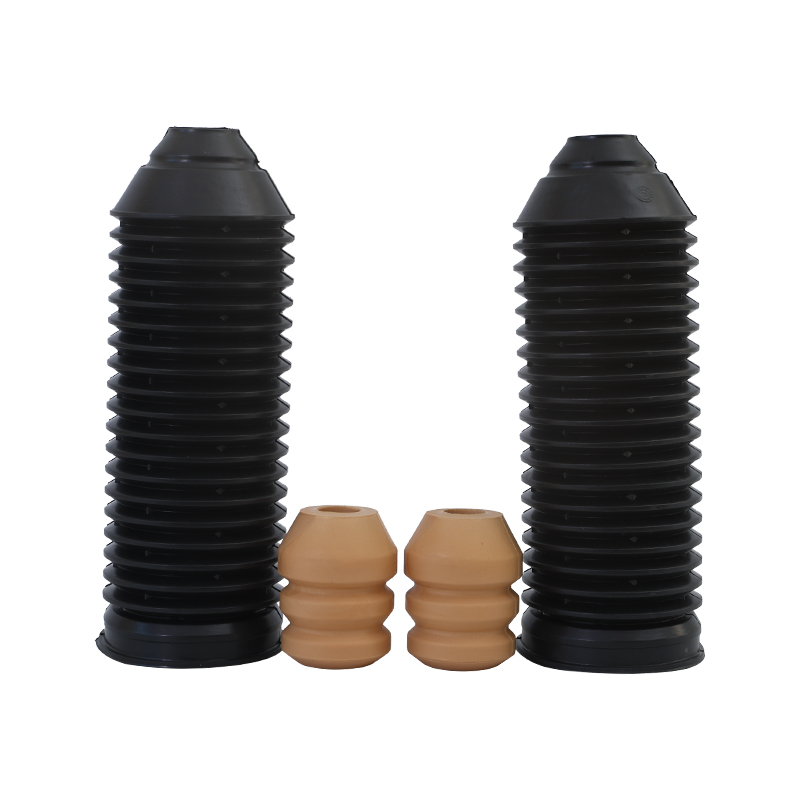
A progressive-rate automotive bump stop is engineered with a tapered, conical, or multi-stage profile. As it compresses, more material engages with the load path, progressively increasing resistance. The result is a smooth, rising force curve rather than a sudden wall of resistance.
For example, a well-designed progressive bump stop might offer only 50–100 N of resistance at 20% compression, climbing to 800–1,200 N at 80% compression, and peaking at several kilonewtons near full bump. This graduated response absorbs energy far more efficiently and reduces the shock transmitted to the chassis and occupants.
Microcellular foam (MCF) is one of the most common materials used in progressive-rate bump stops. Brands like Bump Stop Pro, Fox, and King Shocks use proprietary foam compounds that recover quickly after compression — typically within 0.3 to 0.5 seconds — making them ideal for high-frequency impacts like washboard roads or repeated off-road hits.
Side-by-Side Comparison: Progressive-Rate vs Standard Flat Bump Stop
The table below summarizes the key differences between these two types of automotive bump stops across the most important performance categories.
| Feature | Progressive-Rate Bump Stop | Standard Flat Bump Stop |
|---|---|---|
| Force Curve | Graduated / Rising | Constant / Linear |
| Ride Comfort at Bump | Smooth transition | Abrupt, harsh feel |
| Common Material | Microcellular foam, tapered polyurethane | Rubber, hard polyurethane |
| Typical Cost | $30–$150+ per unit | $5–$25 per unit |
| Best Application | Performance, off-road, towing, sport | Light-duty daily driving |
| Energy Absorption | High | Low to moderate |
| Recovery Speed | Fast (foam: ~0.3–0.5s) | Moderate |
| Installation Complexity | Moderate (may need sizing) | Simple drop-in replacement |
How the Force Curve Affects Real-World Driving
The force curve is the most critical technical difference between these two bump stop types. To understand why it matters, consider two real-world scenarios:
Scenario 1: Off-Road Rock Crawling
When a truck wheel drops into a rut and snaps back up, the suspension compresses rapidly to full travel. A standard flat automotive bump stop hits that threshold and immediately transfers a hard impact load to the chassis. Over repeated hits, this accelerates wear on shock mounts, frame welds, and bushings. A progressive-rate bump stop, by contrast, begins absorbing energy well before full compression, reducing peak impact loads by as much as 40–60% in some aftermarket manufacturer tests.
Scenario 2: Highway Driving with a Heavy Load
A van loaded near its maximum payload frequently rides lower and engages the bump stop more often. A standard flat bump stop in this application causes the familiar harsh, bouncy feeling drivers report when overloaded. Upgrading to a progressive-rate automotive bump stop — such as a helper spring foam stack — can effectively add 10–15% more usable suspension travel and smooth out the loaded ride without changing spring rates.
Material Differences and Their Impact on Performance
Material choice is closely tied to bump stop type. Here is how common materials compare:
- Natural Rubber (standard flat): Affordable and durable, but degrades faster with exposure to oil, ozone, and temperature extremes. Typical service life is 3–5 years.
- Hard Polyurethane (standard flat or mild progressive): More resistant to chemicals and compression set than rubber. Firmer feel. Common in performance street upgrades.
- Microcellular Foam / MCF (progressive-rate): The gold standard for progressive performance. Lightweight, fast-recovering, and highly tuneable. Used in motorsport and premium off-road applications. Can last 50,000+ miles in demanding conditions.
- Tapered Polyurethane (progressive-rate): A mid-range option offering progressive response without the cost of foam. Popular for towing upgrades on half-ton and three-quarter-ton trucks.
Which Automotive Bump Stop Should You Choose?
The right choice depends on how and where you drive. Use the following guidance to make an informed decision:
- Choose a standard flat automotive bump stop if you drive a lightly loaded passenger car on paved roads and simply need a like-for-like replacement. It is the most cost-effective solution for normal use.
- Choose a progressive-rate automotive bump stop if you frequently carry heavy loads, drive off-road, tow trailers, or participate in any form of motorsport. The smoother force curve protects your suspension and improves control.
- Consider a hydraulic bump stop (a specialized form of progressive bump stop) if you run a dedicated race vehicle or high-speed off-road build. These units use fluid displacement to achieve an extremely refined progressive response, but cost $200–$600+ per corner.
As a practical benchmark: if your vehicle engages the bump stop more than occasionally during normal driving, a progressive-rate bump stop upgrade is almost always worth the investment — both for comfort and long-term suspension health.
Installation Considerations
Swapping a standard flat automotive bump stop for a progressive-rate unit is generally straightforward, but there are a few important checks:
- Measure the free height and diameter of your existing bump stop before ordering. Progressive foam stacks in particular come in multiple heights — using one that is too tall will limit suspension travel and affect ride quality.
- Check whether your shock absorber has an integrated bump stop or uses a separate unit mounted on the suspension arm. The mounting method affects which aftermarket options are compatible.
- No wheel alignment is typically required after replacing a bump stop alone, making it a DIY-friendly upgrade for most platforms.
- After installation, test the suspension through full travel with the vehicle weight on it to confirm there is no binding or premature contact.
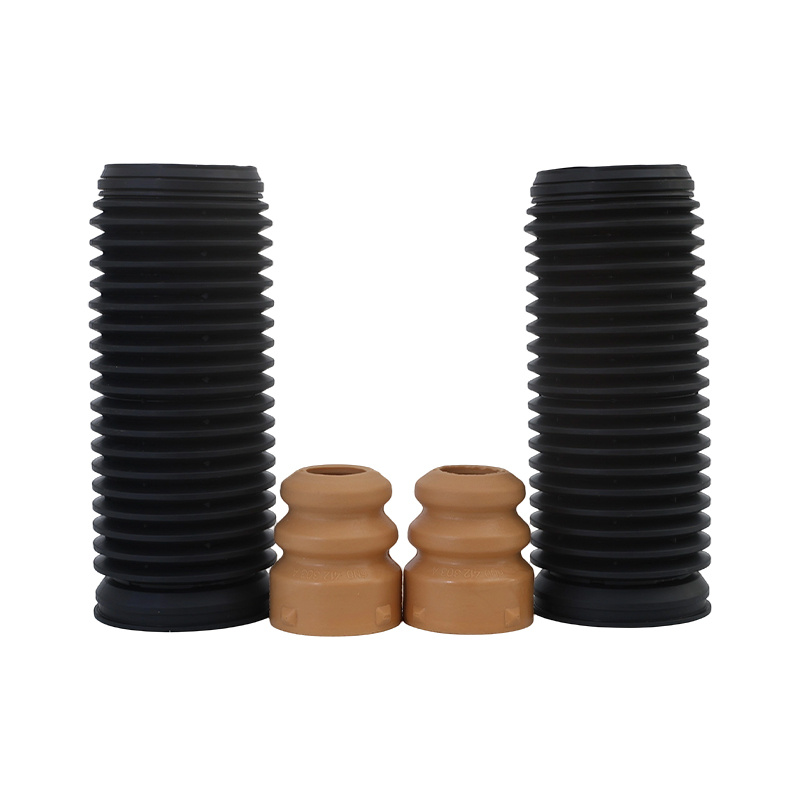
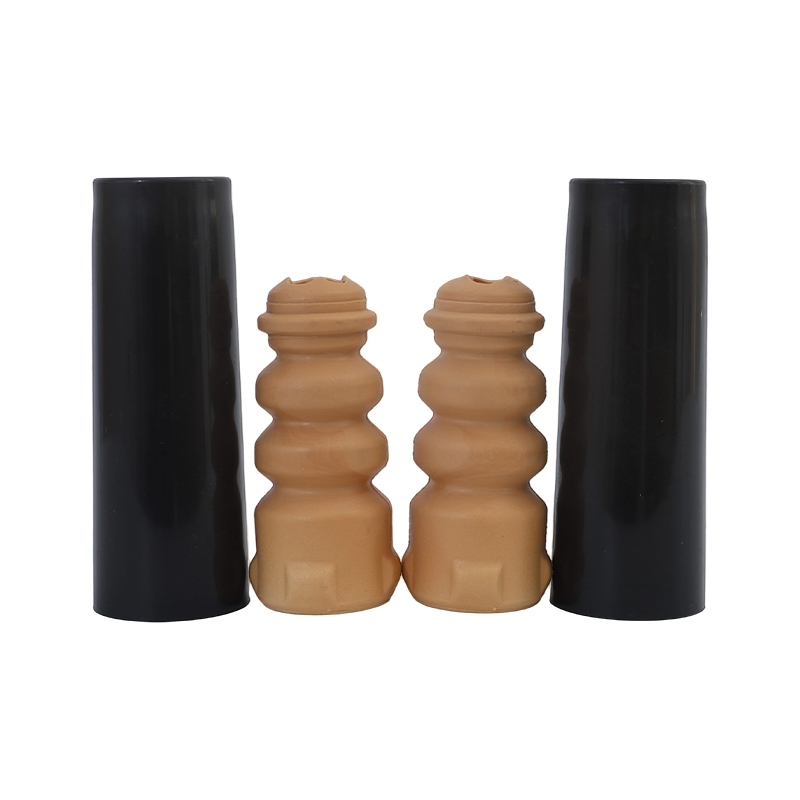
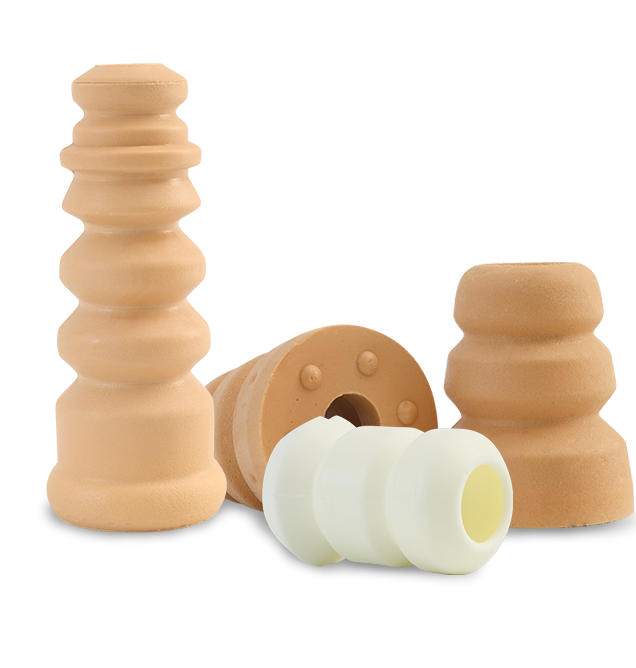
-3.jpg "Are Automotive Bump Stops Necessary? A Comprehensive Guide to Function, Types, and Replacement")
-1.jpg "What is a bump stop in a car, and what is its function in a vehicle's suspension system?")
.jpg "Peugeot Shock Absorber Bump Stop: Function, Replacement, and Common Issues")



