 English
 русский
 Español
 عربى
عربى

The foam Suspension Bump Stop increases its resistance force progressively as it compresses, while a solid rubber Suspension Bump Stop delivers a relatively linear, more abrupt resistance throughout its compression stroke. In practical terms, this means a foam bump stop "catches" the suspension gradually, whereas a rubber one hits back with near-constant stiffness. For most drivers, this distinction directly affects ride comfort, impact harshness, and how well the suspension handles repeated bottoming-out events.
What "Progressive Rate" Actually Means in a Foam Suspension Bump Stop
A progressive rate means the resistance force does not rise in a straight line as compression increases. Instead, it starts soft and ramps up sharply toward the end of the compression travel. Microcellular foam — the material used in most modern foam Suspension Bump Stops — achieves this through its open-cell or closed-cell structure, which collapses progressively under load.
For example, a typical microcellular foam Suspension Bump Stop might offer only 50–100 N of resistance at 20% compression, but escalate to over 2,000–4,000 N at 80% compression. This exponential behavior is intentional: the bump stop stays "invisible" during normal suspension travel but becomes a firm secondary spring only when the suspension is close to full compression.
The result is a smooth, staged response that drivers experience as a cushioned transition rather than a sudden jolt.
What "Linear Rate" Means in a Solid Rubber Suspension Bump Stop
A solid rubber Suspension Bump Stop works on a fundamentally different principle. Because rubber is largely incompressible, its resistance builds in a more linear — or sometimes digressive — pattern from the first moment of contact. This means the bump stop begins pushing back hard almost immediately, with relatively little variation between early and late compression stages.
A standard OEM rubber bump stop may generate 400–600 N of resistance at just 10% compression, compared to a foam unit's near-zero resistance at the same point. While this makes rubber bump stops highly predictable and durable, the immediate high-force engagement is often felt as a harsh "thud" in the cabin — especially over sharp impacts like potholes or off-road terrain.
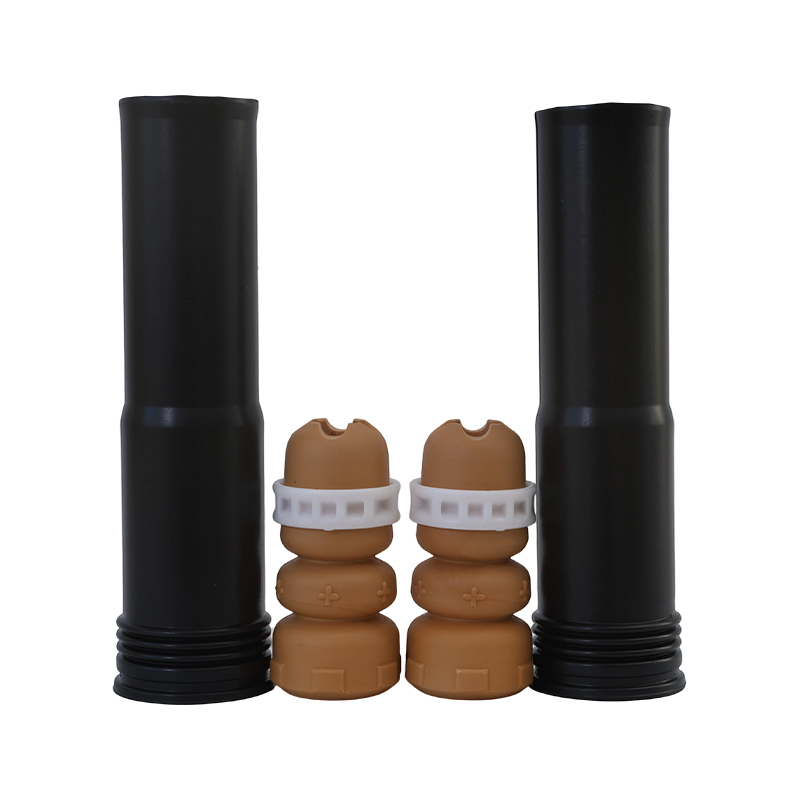
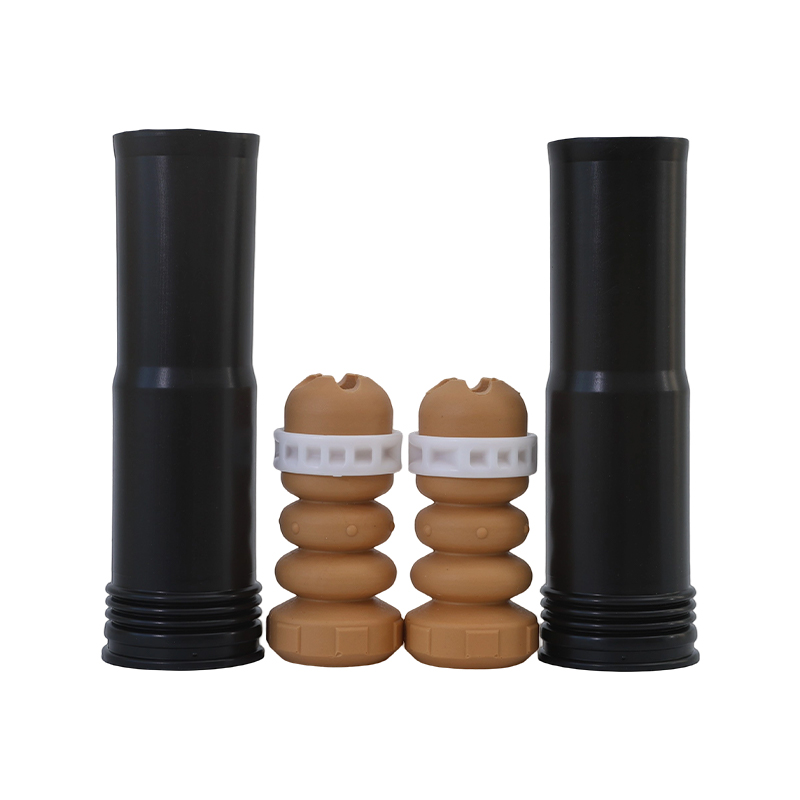
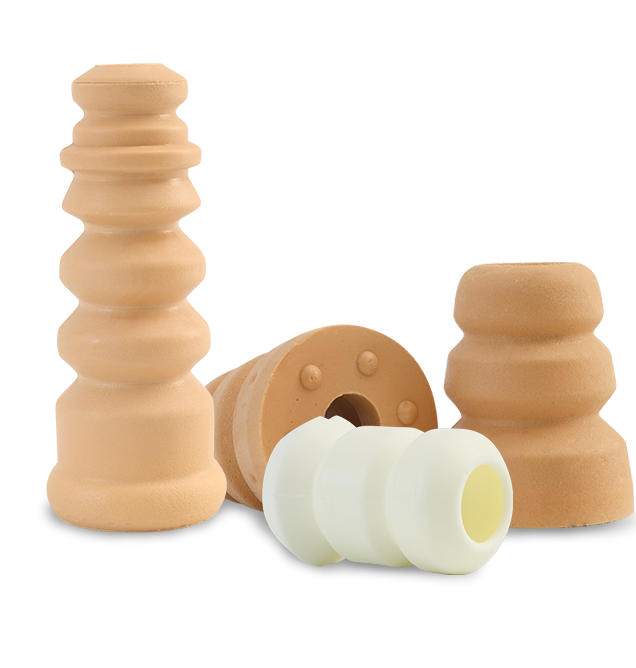
Suspension Bump Stop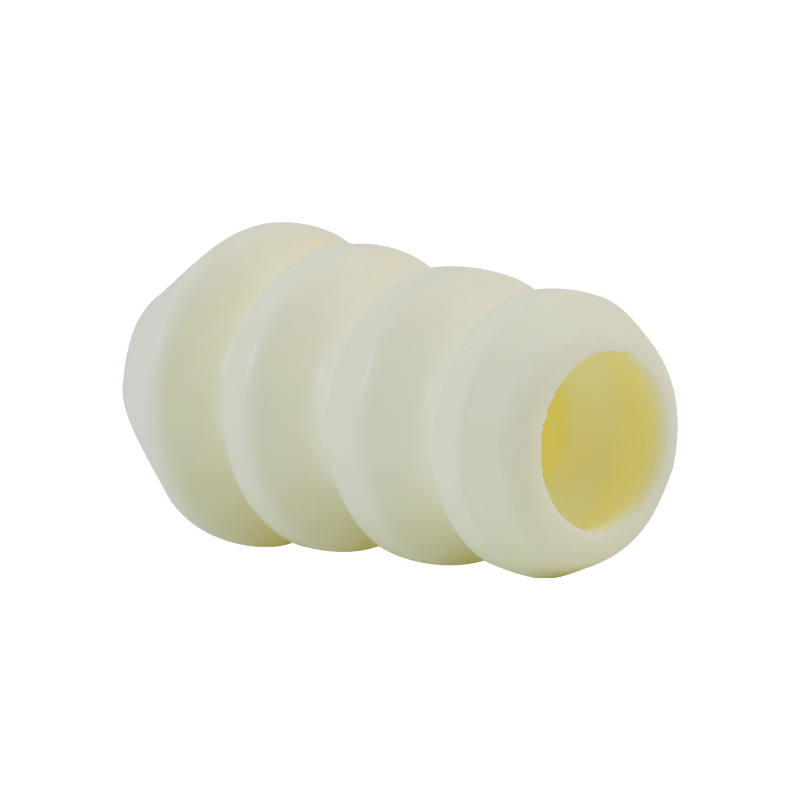
Side-by-Side Comparison: Foam vs Rubber Suspension Bump Stop
| Property | Foam Suspension Bump Stop | Solid Rubber Suspension Bump Stop |
|---|---|---|
| Rate Type | Progressive (exponential) | Linear to digressive |
| Initial Contact Force | Very low (50–100 N at 20%) | Moderate-high (400–600 N at 10%) |
| Peak Resistance | 2,000–4,000+ N at 80% | Consistent across compression range |
| Ride Comfort | Noticeably smoother | Can feel harsh on sharp impacts |
| Material | Microcellular foam (e.g., Bisco, Poraver-filled) | Natural or synthetic rubber (EPDM, NBR) |
| Temperature Sensitivity | Low (stable from -40°C to +100°C) | Higher (hardens in cold, softens in heat) |
| Typical Lifespan | 150,000–200,000 km | 80,000–120,000 km |
| Cost (Approximate) | $20–$60 per unit | $5–$25 per unit |
Why the Rate Curve Matters for Your Suspension System
The rate curve of a Suspension Bump Stop is not just a comfort issue — it directly affects how loads are transferred through the entire suspension system, including the shock absorber, spring, and chassis mounts.
Impact on Shock Absorber Life
When a rubber Suspension Bump Stop engages harshly at low compression, the shock absorber experiences a sudden spike in load. Over thousands of cycles, this accelerates wear on the shock's internal valving and seals. A foam Suspension Bump Stop, by contrast, extends the load-ramping period, reducing peak shock absorber stress by an estimated 20–35% in repeated bottoming-out scenarios — a figure commonly cited by OEM engineers when justifying foam upgrades on premium vehicles.
Effective Suspension Travel
Because a foam Suspension Bump Stop starts with very low resistance, it does not prematurely restrict suspension travel during moderate undulations. The suspension remains active and responsive through more of its available stroke. In contrast, a firm rubber bump stop can effectively "shorten" the usable suspension travel the moment it is contacted, leading to a stiffer overall feel even during non-extreme driving events.
Material Science Behind the Rate Difference
The rate behavior of each Suspension Bump Stop is a direct product of its material microstructure.
- Microcellular foam contains thousands of microscopic air cells. Under compression, the cells collapse sequentially — first the weakest, then progressively stronger ones — creating a natural escalation in resistance force. This cellular architecture is engineered to produce specific progressive curves, and manufacturers can tune the foam density (typically 120–250 kg/m³) to match different vehicle weights and suspension setups.
- Solid rubber has no such internal structure to collapse. When compressed, rubber molecules simply resist deformation from the first contact point. The Shore A hardness rating — commonly between 40 and 70 Shore A for bump stop rubber — determines the overall stiffness, but cannot replicate the low-entry, high-peak behavior of foam.
- Polyurethane bump stops, sometimes confused with foam, are a middle ground — denser than foam but more controlled than natural rubber. They typically show a semi-progressive curve and are popular in performance and off-road applications where durability matters as much as comfort.
Which Type of Suspension Bump Stop Is Right for Your Application?
The best choice depends on how and where you drive.
- Daily road driving and comfort-oriented vehicles: A foam Suspension Bump Stop is strongly preferred. Its progressive engagement dramatically reduces the harshness felt over bumps and potholes, and it is now standard equipment on most European passenger vehicles from brands like BMW, Mercedes-Benz, and Volkswagen.
- Budget replacements and older vehicles: A rubber Suspension Bump Stop is acceptable and cost-effective. If the vehicle originally used rubber and the suspension is not being upgraded, a like-for-like rubber replacement is practical and durable.
- Off-road, towing, and heavy-load applications: A polyurethane Suspension Bump Stop or a high-density foam variant is ideal. These applications involve sustained compression events where foam durability and controlled load-ramp rates are critical for both comfort and component protection.
- Lowered vehicles: A shorter, tuned foam Suspension Bump Stop is often essential after lowering springs are installed, as reduced ride height means the bump stop is contacted far more frequently during normal driving.
The difference between a foam and rubber Suspension Bump Stop is not simply a matter of material preference — it is a fundamental difference in how force is managed during suspension compression. A foam Suspension Bump Stop's progressive rate provides a gentler, staged resistance that protects components and improves comfort, while a rubber Suspension Bump Stop's linear rate offers immediate, consistent resistance at a lower cost. For most modern vehicles and driver expectations, foam is the superior technical choice, but understanding the rate curve — not just the material label — is what allows you to make the right selection for your specific suspension setup.
.jpg "HP017 Rear Suspension Bump Stop for Volkswagen")
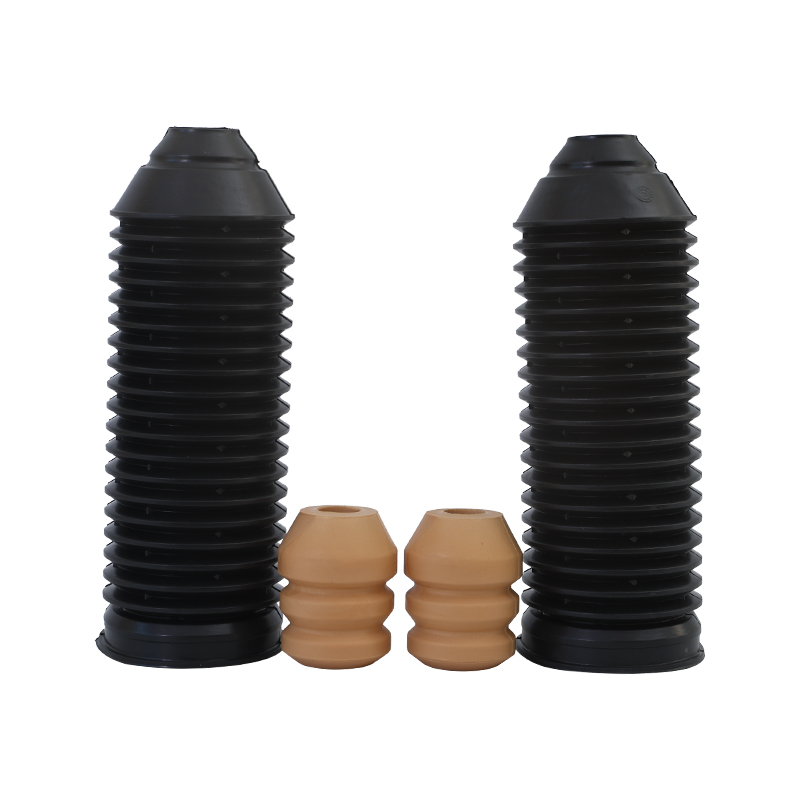
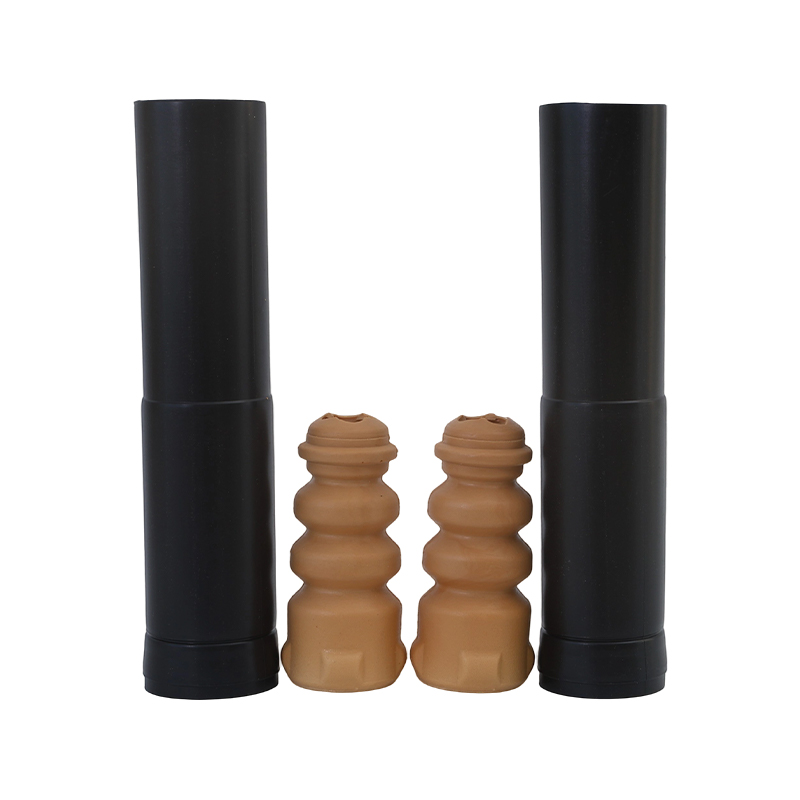
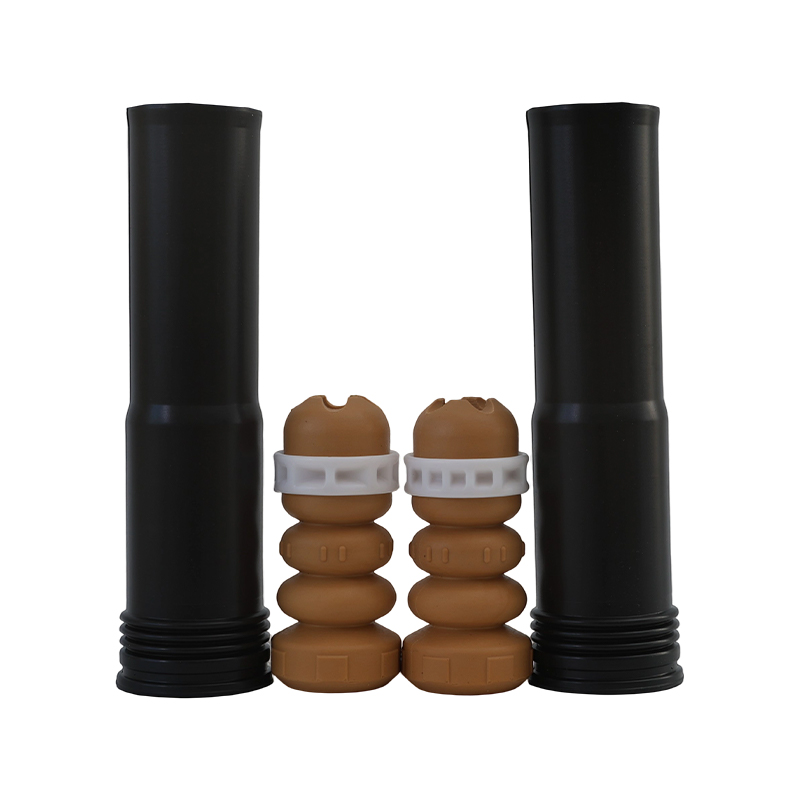
-3.jpg "Are Automotive Bump Stops Necessary? A Comprehensive Guide to Function, Types, and Replacement")
-1.jpg "What is a bump stop in a car, and what is its function in a vehicle's suspension system?")
.jpg "Peugeot Shock Absorber Bump Stop: Function, Replacement, and Common Issues")



