 English
 русский
 Español
 عربى
عربى

Temperature extremes are among the most damaging environmental factors affecting your Rear Absorber Bump Stop. In short: excessive heat accelerates material oxidation and permanent compression set, while extreme cold causes the elastomer to harden and lose its ability to absorb impact energy effectively. Over time, both conditions compromise ride quality, suspension protection, and component longevity — often before any visible cracking or deformation appears.
What the Rear Absorber Bump Stop Is Made Of — and Why It Matters
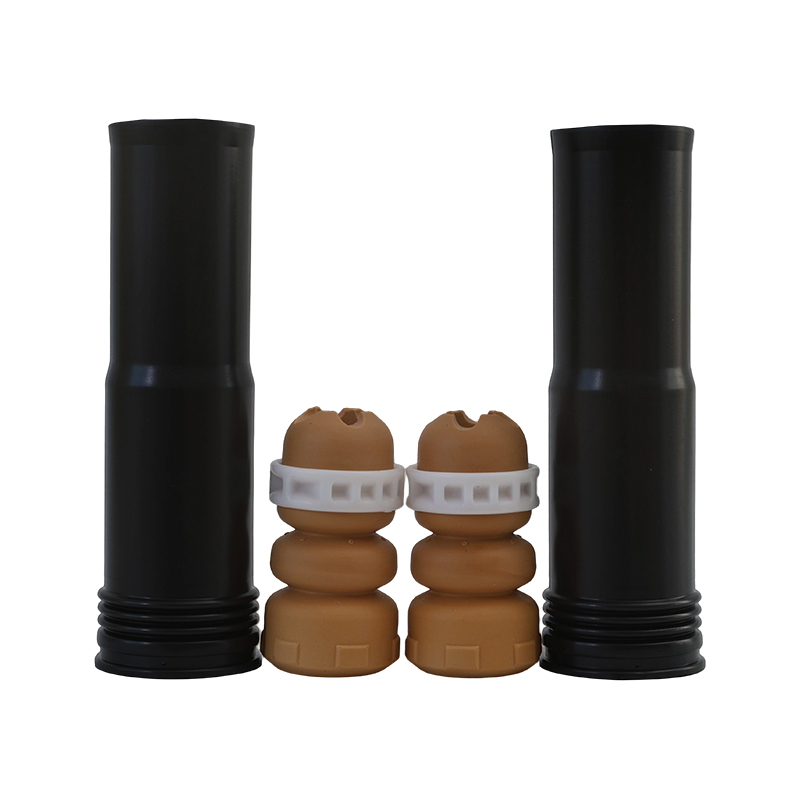
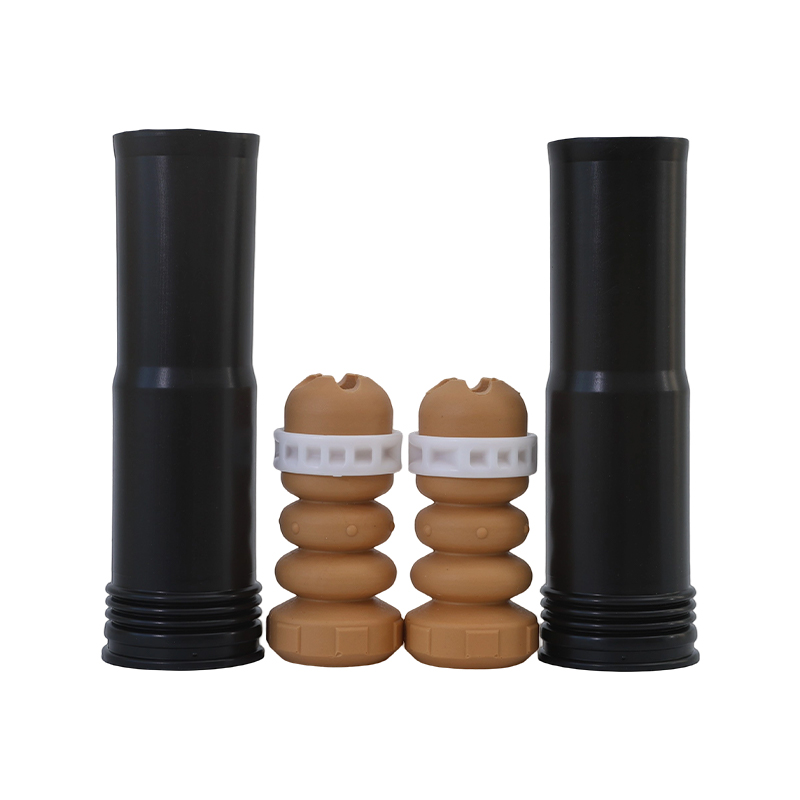
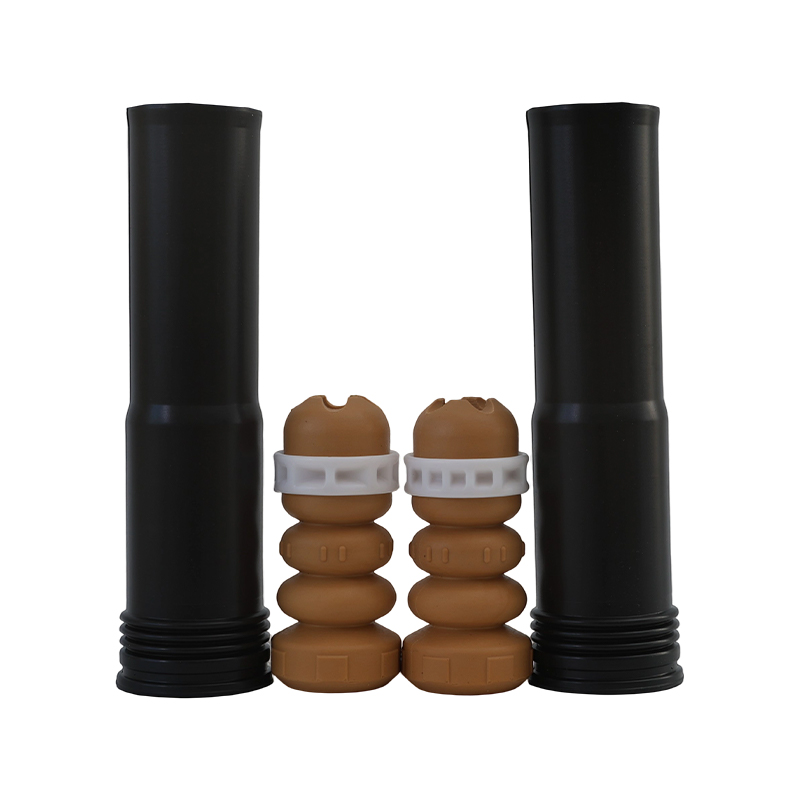
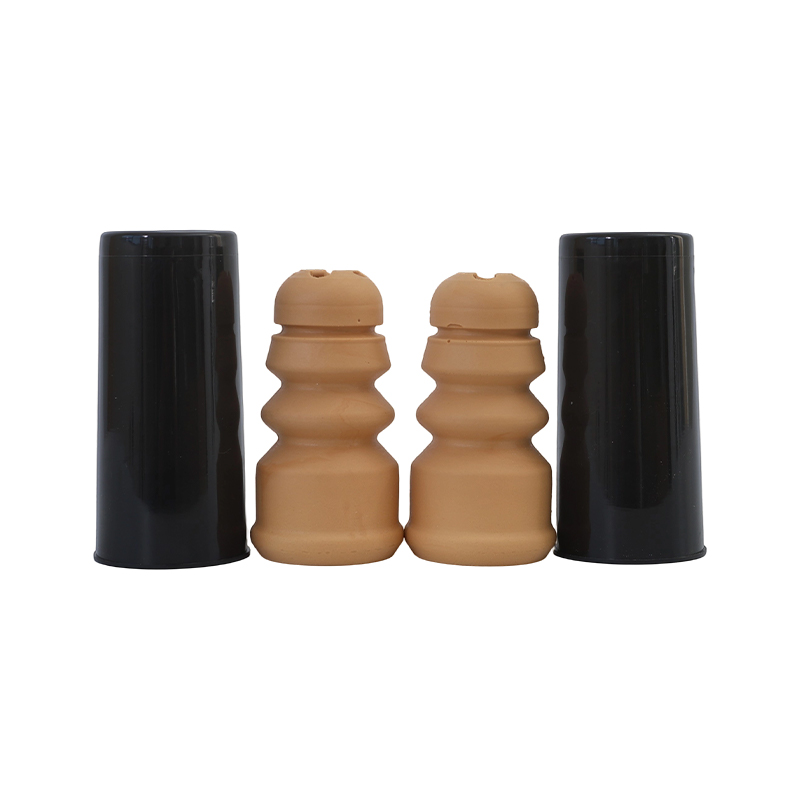
Most factory-installed Rear Absorber Bump Stops are manufactured from one of three core materials: natural rubber, polyurethane (PU), or microcellular expanded polyurethane (MCU). Each has a distinct thermal tolerance range that determines how well it performs across seasons and climates.
- Natural rubber: Performs best between –30°C and +70°C (–22°F to +158°F). Becomes brittle below –40°C and begins oxidizing above 80°C.
- Polyurethane: Wider thermal range, typically –40°C to +100°C (–40°F to +212°F). More resistant to heat-induced creep but less forgiving in extreme cold without additives.
- MCU foam: Engineered for a balanced response across a broad range; used increasingly in OEM applications for its consistent energy absorption profile.
Understanding the base material of your Rear Absorber Bump Stop is the first step in predicting how it will behave in your specific driving environment.
How Extreme Cold Affects the Rear Absorber Bump Stop
When ambient temperatures drop below –20°C (–4°F), the elastomeric compounds in a Rear Absorber Bump Stop undergo a process called glass transition — the material stiffens significantly, reducing its ability to deform and recover under compression loads.
Key Cold-Weather Effects
- Increased rigidity: A rubber bump stop can lose up to 40% of its flexibility at –30°C, meaning it transmits more impact force directly to the chassis instead of absorbing it.
- Micro-cracking: Repeated compression cycles in frozen conditions create small surface fissures that are not visible to the naked eye but structurally weaken the material.
- Loss of rebound speed: The bump stop recovers more slowly after compression in cold weather, potentially causing it to remain partially compressed during rapid successive impacts — a common issue on corrugated winter roads.
- Dimensional shrinkage: Rubber and polyurethane contract in cold temperatures, which can slightly loosen the fitment of the Rear Absorber Bump Stop within its housing, causing rattling or misalignment.
Drivers in Scandinavian countries, Canada, and high-altitude mountain regions report a noticeably harsher ride during the first few minutes of winter driving — this is often the Rear Absorber Bump Stop operating in its cold-stiffened state before the component warms up through use.
How Excessive Heat Degrades the Rear Absorber Bump Stop
Heat is arguably the more destructive force over the long term. Underbody temperatures on vehicles operating in desert climates or in stop-and-go urban traffic can easily exceed 80°C–100°C (176°F–212°F), particularly near the exhaust and braking systems.
Key High-Temperature Effects
- Compression set: When a Rear Absorber Bump Stop is repeatedly compressed at elevated temperatures, it begins to lose its ability to return to its original height — a permanent deformation known as compression set. A bump stop that has lost more than 20% of its original free height due to compression set is considered functionally degraded.
- Oxidation and surface hardening: Heat accelerates the oxidation of rubber molecules, causing the outer surface to harden and become brittle even as the interior remains softer — leading to unpredictable load distribution.
- Reduced energy absorption: A heat-degraded Rear Absorber Bump Stop may feel softer initially but absorbs significantly less kinetic energy per compression cycle, increasing the load transferred to the shock absorber piston rod and upper mount.
- Chemical breakdown: Prolonged heat exposure breaks down the polymer chains in polyurethane and rubber, accelerating the component's aging timeline by a factor of 2–3× compared to vehicles operated in temperate climates.
Temperature Performance Comparison by Material
| Material | Optimal Range | Cold Weakness | Heat Weakness | Typical Lifespan |
|---|---|---|---|---|
| Natural Rubber | –30°C to +70°C | Brittle below –40°C | Oxidizes above 80°C | 3–5 years |
| Polyurethane | –40°C to +100°C | Stiffens below –30°C | Creep above 100°C | 5–8 years |
| MCU Foam | –40°C to +110°C | Moderate stiffening | Cell structure collapse | 6–10 years |
The Cumulative Effect: Thermal Cycling Fatigue
It is not just sustained temperature extremes that damage a Rear Absorber Bump Stop — it is the repeated cycling between hot and cold that causes accelerated fatigue. Each time the material expands in heat and contracts in cold, internal stress accumulates at the molecular level.
A vehicle operated in a climate with a 60°C seasonal temperature swing (for example, –20°C in winter and +40°C in summer, with underbody temperatures reaching significantly higher) subjects its Rear Absorber Bump Stop to thousands of expansion-contraction cycles annually. Studies in automotive materials science indicate that thermal cycling alone can reduce the effective service life of a rubber bump stop by 30–50% compared to components used in stable-temperature environments.
This is why vehicles in continental climates — such as those across central Europe, the American Midwest, or northern China — tend to show bump stop wear significantly earlier than those operated exclusively in mild coastal regions.
Practical Signs Your Rear Absorber Bump Stop Has Been Temperature-Damaged
Temperature-induced degradation does not always present as obvious cracking or crumbling. Look for these specific indicators during inspection:
- Reduced free height: Measure the uncompressed height of the bump stop and compare it to the OEM specification. A reduction of more than 15–20% signals compression set from heat exposure.
- Surface glazing or tackiness: A shiny, hardened surface indicates heat oxidation. A sticky or gummy surface suggests chemical breakdown from prolonged high temperatures.
- Circumferential cracking: Fine cracks running around the outer diameter of the Rear Absorber Bump Stop are a hallmark of cold-cycle fatigue combined with heat degradation.
- Bottoming-out sensation: A harsh, jarring thud when the suspension reaches full compression — especially over speed bumps — indicates the bump stop is no longer providing adequate progressive resistance.
- Uneven left-to-right response: If one side of the rear suspension feels noticeably harsher or softer, asymmetric thermal degradation of the Rear Absorber Bump Stop may be the cause.
Choosing a Temperature-Resilient Rear Absorber Bump Stop
If you operate your vehicle in temperature-extreme conditions, selecting the right replacement Rear Absorber Bump Stop material is critical:
- For cold climates (below –20°C regularly): Choose a polyurethane or MCU bump stop with cold-rated additives. Avoid standard natural rubber, which stiffens excessively and micro-cracks at low temperatures.
- For hot climates or heavy towing applications: Opt for a high-temperature polyurethane formulation rated to at least 110°C. Confirm the product's compression set resistance rating — look for less than 15% at 70°C over 24 hours as a benchmark.
- For four-season mixed-climate use: MCU foam bump stops offer the most balanced performance, combining low-temperature flexibility with high-temperature structural integrity.
- Check OEM thermal ratings: Always verify that any aftermarket Rear Absorber Bump Stop meets or exceeds the OEM thermal specification for your specific vehicle model.
Maintenance Recommendations Based on Climate
Inspection frequency for the Rear Absorber Bump Stop should be adjusted based on your operating environment:
- Temperate climates: Inspect every 50,000 km or 3 years, whichever comes first.
- Cold climates (severe winters): Inspect every 30,000 km or 2 years; always inspect at the start of each winter season.
- Hot/arid climates or frequent towing: Inspect every 25,000 km or annually, as heat and load cycles accelerate compression set.
- Mixed four-season climates: Inspect every 40,000 km or at each seasonal tire change as a convenient checkpoint.
Replacing a Rear Absorber Bump Stop proactively — before it fully fails — is far less costly than addressing the downstream damage caused by unprotected shock absorber bottoming: a scenario that can lead to bent piston rods, damaged upper strut mounts, and accelerated tire wear, all of which carry repair costs many times higher than a simple bump stop replacement.
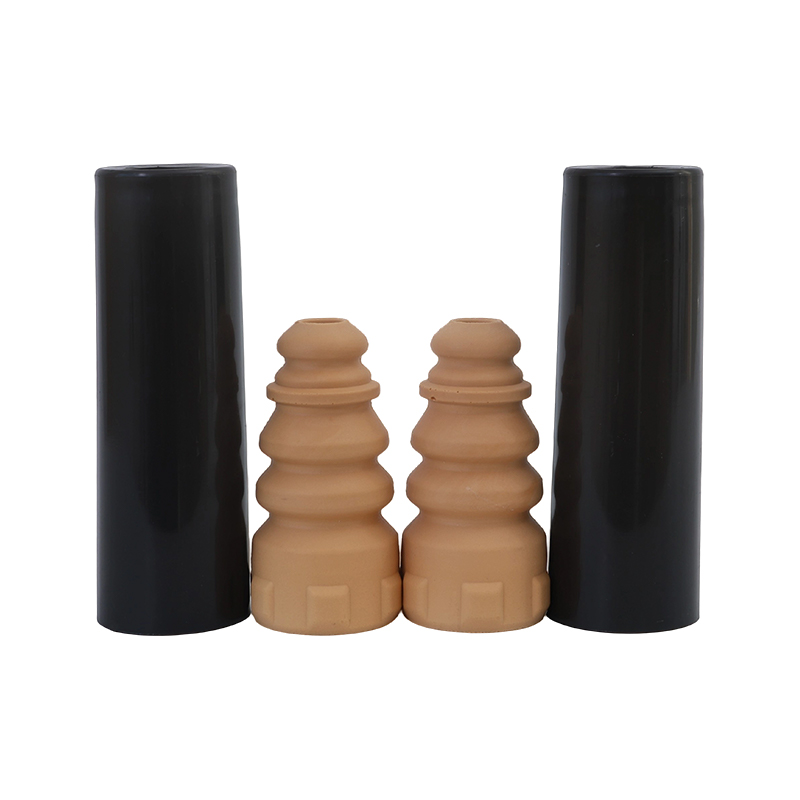
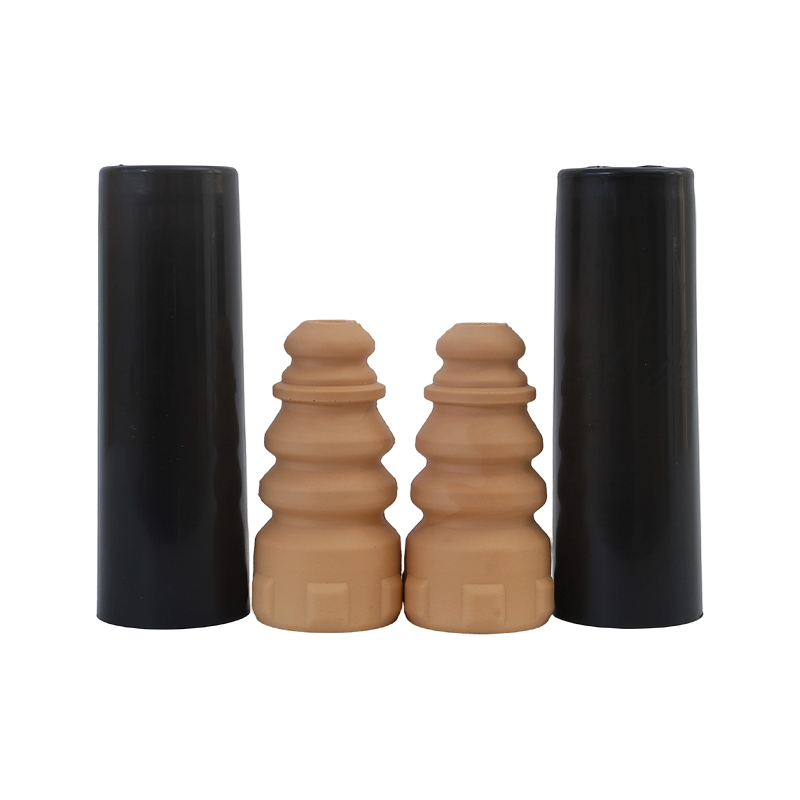
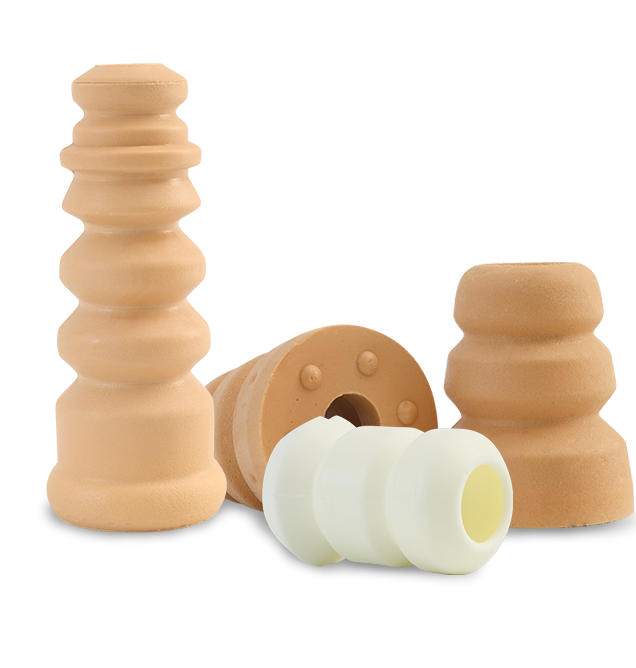
-3.jpg "Are Automotive Bump Stops Necessary? A Comprehensive Guide to Function, Types, and Replacement")
-1.jpg "What is a bump stop in a car, and what is its function in a vehicle's suspension system?")
.jpg "Peugeot Shock Absorber Bump Stop: Function, Replacement, and Common Issues")



