 English
 русский
 Español
 عربى
عربى
Compatible with a wide range of Hyundai models including Accent (2010–2020), Avante/Elantr...
HP001 Front Shock Absorber Bump Stop is a polyurethane (PU) component designed to provide ...
.jpg "HP001 Front Shock Absorber Bump Stop for Chevrolet")
HP001 Front Shock Absorber Bump Stop is a polyurethane (PU) component designed to provide ...
.jpg "HP002 Front Suspension Struts Components-Bumper for Chevrolet")
HP002 Front Suspension Struts Components-Bumper is a polyurethane (PU) part designed to su...
.jpg "HP003 Front Suspension Strut Bumper for Buick")
HP003 Front Suspension Strut Bumper is designed for use in the front suspension system of ...
.jpg "HP040 Rear Spring Bumper Absorber Stopper Shaft Bush")
Compatible with a wide range of Hyundai models including Accent (2010–2020), Avante/Elantr...
-1.jpg "HP041 Front Shock Absorber Jounce Bumper")
HP041 Front Shock Absorber Jounce Bumper is a polyurethane (PU) component compatible with ...
Suspension Engineering — Materials Guide A closer look at how compound choice quietly shapes comfort, durability, and long-term suspension health. The Direct Answer: Polyurethane Lasts Longer, Rubber Rides Quieter The core difference between a rubber bump stop and a polyurethane one comes down to...
READ MORESuspension Engineering / Component Guide What Is a Bump Stop For? The small suspension component standing between a hard impact and a broken frame — and why its material, length, and design matter more than most drivers realize. A bump stop is a cushioning component mounted inside or around a...
READ MOREThe polyurethane Suspension Bump Stop significantly outperforms a rubber one under extreme loads. Polyurethane resists permanent deformation, maintains its structural integrity across repeated high-force compression cycles, and holds up better against heat, oil, and chemical exposure. Rubber bump s...
READ MOREThe automotive landscape is constantly evolving, with manufacturers like Hyundai focusing heavily on delivering exceptional value, reliability, and passenger ride comfort. The global success of Hyundai vehicles, from compact hatchbacks to robust SUVs, rests on their ability to perform consistently across diverse driving environments. Central to this performance promise is the robust design of the suspension system, where the Hyundai Shock Absorber Bump Stop plays a crucial, yet often overlooked, role. This component is far more than a simple piece of rubber; it is a finely tuned engineering element, essential for preserving the vehicle's dynamic characteristics and ensuring the long term durability of the entire damper unit. Its effectiveness is rooted in precise dimensioning, controlled material composition, and the ability to manage kinetic energy in extreme conditions.
The Dynamics of Progressive Impact Management
The core function of the bump stop is to prevent the destructive phenomenon known as "bottoming out," where the shock absorber piston rod abruptly strikes the body of the damper. This metal on metal collision is catastrophic; it generates excessive noise, subjects the vehicle structure to high mechanical stress, and instantly compromises the damper's hydraulic seals and valving, leading to premature failure of the automotive shock absorbers. The bump stop transforms this potentially violent impact into a managed, cushioned deceleration. As the suspension approaches its maximum compression limit, the bump stop engages the piston rod, initiating a non linear resistance curve. This means the component is soft enough initially to avoid harshness in everyday driving over minor bumps, but progressively stiffens rapidly as the compression increases.
This progressive stiffness, an essential characteristic of a high quality Hyundai Shock Absorber Bump Stop, is engineered to absorb the remaining kinetic energy of the wheel and chassis assembly. By gradually dissipating this energy, the bump stop prevents the sudden spike in force that a hard rubber stop would transmit. This capability is paramount for vehicles like those from Hyundai, which are designed for both urban utility and occasional challenging terrain. Maintaining this precise balance between soft initial engagement and firm terminal damping is a direct reflection of the component’s sophisticated engineering. Without this progressive cushioning, the finely tuned geometry of the suspension system would be compromised under high load, directly affecting handling, stability, and, critically, vehicle safety.
The Role of Microcellular Urethane in Hyundai Specifications
The choice of material dictates the effectiveness and operational life of the bump stop. While earlier designs relied on dense, solid rubber, modern Hyundai Shock Absorber Bump Stop components utilize advanced elastomers, most notably Microcellular Urethane (MCU). This specialized Polyurethane foam structure is prized for its ability to provide exceptional energy management capabilities. MCU features a network of millions of microscopic, closed air cells dispersed throughout the polymer matrix. When the bump stop is subjected to compressive load, the air within these cells is compressed, providing the highly progressive force resistance required. This pneumatic effect, combined with the polymer's inherent elasticity, creates a dynamic cushion that outperforms traditional rubber.
The benefits of MCU extend beyond mere mechanical performance. The operational environment of a shock absorber is highly detrimental, involving exposure to extreme temperatures, road salt, abrasive grit, and various corrosive automotive fluids, including oils and cleaning chemicals. Standard rubber compounds are susceptible to ozone degradation, which causes cracking and embrittlement, drastically reducing the component's durability. High specification Polyurethane is formulated to resist these environmental stressors, maintaining its chemical stability and engineered density over a significantly longer period. This resilience ensures that the progressive damping characteristics remain consistent throughout the component's lifespan, guaranteeing that the ride comfort and safety margins set by Hyundai are upheld for the duration of the vehicle’s use. The material science underpinning the bump stop is thus as crucial as the physical design for ensuring long term vehicle integrity.
The efficiency and integrity of vehicle maintenance depend heavily on the quality and availability of replacement parts in the aftermarket. For the Hyundai Shock Absorber Bump Stop, the transition from an Original Equipment Manufacturer (OEM) component to an aftermarket replacement must be seamless, guaranteeing exact fitment and identical performance metrics. This specialized segment of the auto parts industry requires manufacturers to adhere to stringent quality control and to develop strategic product solutions that streamline the repair process while maximizing vehicle reliability. The expertise in manufacturing these precise components directly impacts both global supply chain quality and overall consumer safety.
Ensuring OEM Specification Adherence and Manufacturing Quality
The design specifications of the Hyundai Shock Absorber Bump Stop are intricately tied to the specific model's curb weight, suspension geometry, and desired damping profile. Even minor deviations in the bump stop's height, diameter, or density can lead to noticeable adverse effects, ranging from a noticeably harsher ride comfort to a reduction in the controlled damping capacity of the shock absorber. A part that is slightly too short will diminish the protection against bottoming out, while a part that is too stiff will prematurely limit the suspension travel, causing the vehicle to feel unsettled and rigid. Therefore, achieving absolute geometric and material precision is non negotiable for any manufacturer serving the aftermarket. This commitment to precision is what defines the reputation of suppliers in this highly technical field.
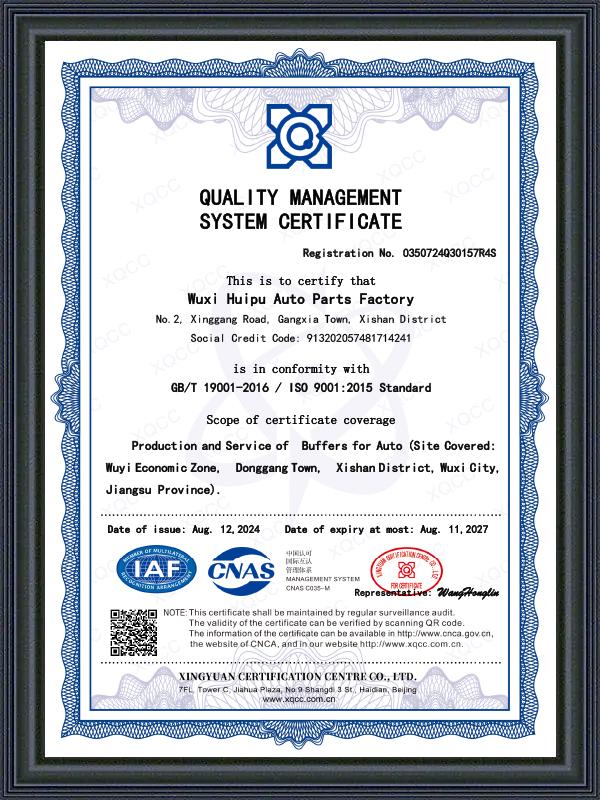
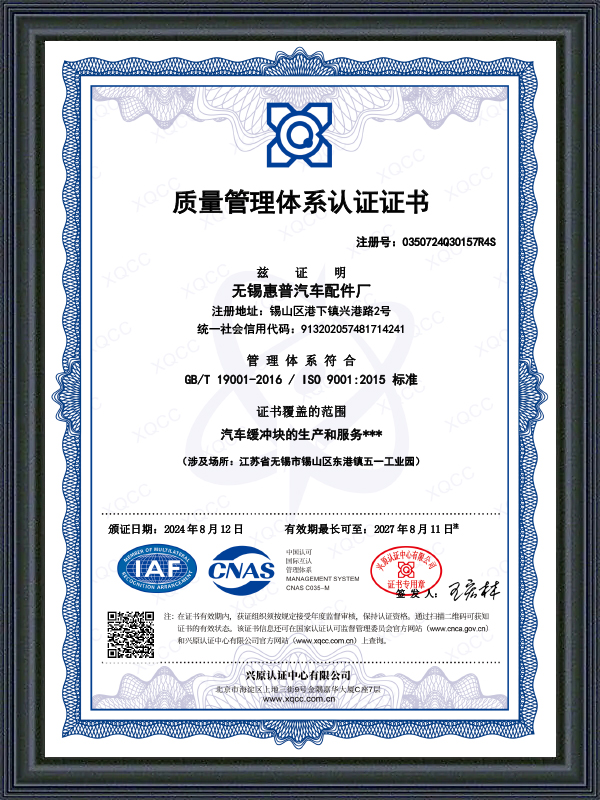
This focus on specialization is evident in companies dedicated to elastomeric suspension components. Founded in 2001, Wuxi Huipu Auto Parts Co., Ltd. specializes in manufacturing bump stops for automotive shock absorbers. As a professional China Hyundai Shock Absorber Bump Stop Manufacturers and Hyundai Shock Absorber Bump Stop Factory, they demonstrate a depth of expertise necessary to meet these exacting standards. With a diverse portfolio encompassing over 3,000 products, their ability to service both OEMs and the aftermarket underscores their commitment to high volume, high accuracy manufacturing. This specialized approach ensures that their products deliver superior durability and consistent performance, matching the demanding requirements of Hyundai's extensive vehicle range. Their dedicated focus allows for continuous refinement of Polyurethane formulations and molding processes.
The Strategic Advantage of Integrated Repair Kits
The maintenance process for replacing automotive shock absorbers is labor intensive and represents a significant investment for the vehicle owner. When a mechanic undertakes this task, best practice dictates that all associated wear items should be replaced simultaneously to prevent callbacks and ensure the longevity of the new shock absorber. The two primary associated wear items are the bump stop and the protective dust cover. The dust cover's role is critical; it shields the piston rod seals from damaging road contaminants, which are the primary cause of hydraulic fluid leaks and damper failure. A cracked or perished dust cover leaves the new shock absorber vulnerable to immediate degradation.
Recognizing this operational necessity, leading manufacturers now offer integrated repair kits. These kits strategically combine the precisely manufactured Hyundai Shock Absorber Bump Stop with the corresponding dust cover into a single, comprehensive solution. By providing these two components together, the manufacturer ensures that the mechanic has everything needed to execute a complete and effective repair. This bundled approach not only simplifies inventory management and ordering for service centers but, more importantly, guarantees that the new shock absorber is installed with full protection against impact damage (via the bump stop) and environmental contamination (via the dust cover). This strategic offering elevates the overall quality of the suspension repair, maximizing the long term durability and passenger ride comfort of the repaired Hyundai vehicle and enhancing the value provided across the aftermarket.

 Add: Wuyi Industrial Park, Donggang Town, Wuxi, Jiangsu, China.
 +86-510-88350093
 [email protected]
 +86-510-88766081
Copyright © 2025 Wuxi Huipu Auto Parts Co., Ltd. All Rights Reserved.
 Wholesale Hyundai Shock Absorber Bump Stop Manufacturers
