 English
 русский
 Español
 عربى
عربى

What Is a Bump Stop For?
The small suspension component standing between a hard impact and a broken frame — and why its material, length, and design matter more than most drivers realize.
A bump stop is a cushioning component mounted inside or around a vehicle's suspension that limits how far the suspension can compress, preventing metal-to-metal contact between the axle, control arm, or frame during hard impacts. Its core job is to absorb the last few inches of suspension travel when a wheel hits a deep pothole, a curb, a rock, or any obstacle severe enough to use up all the available spring travel. Without this component, the suspension would slam into the chassis at full force, transferring a violent shock into the frame, body panels, tires, and even the passenger cabin.
In short, suspension bump stops exist to protect the vehicle from self-inflicted damage during extreme compression events. They are not a substitute for springs or shocks — they are a safety net that only engages when the primary suspension components have reached their physical limit.
Why Suspension Needs a Physical Limiter
Every suspension system has a finite range of motion, usually referred to as "travel." A coil spring or leaf spring compresses under load, and a shock absorber controls the speed of that compression, but neither component is designed to physically stop movement at the extreme end of travel. That job belongs to the bump stop.
When a wheel encounters a large bump, the spring compresses rapidly. If the impact is severe enough, the suspension can reach "full compression" faster than the spring alone can resist. At that point, the bump stop makes contact and absorbs the remaining energy over a very short distance, spreading the force across a wider time window instead of allowing an instant, jarring collision of metal components.
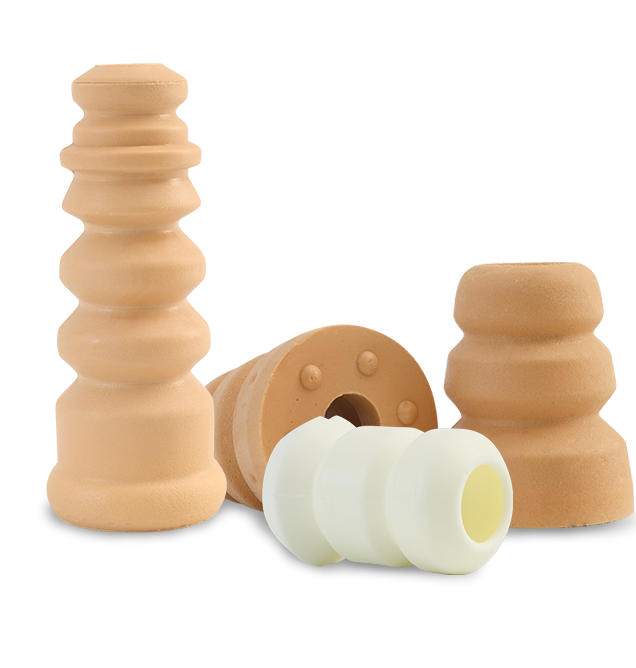
bump stops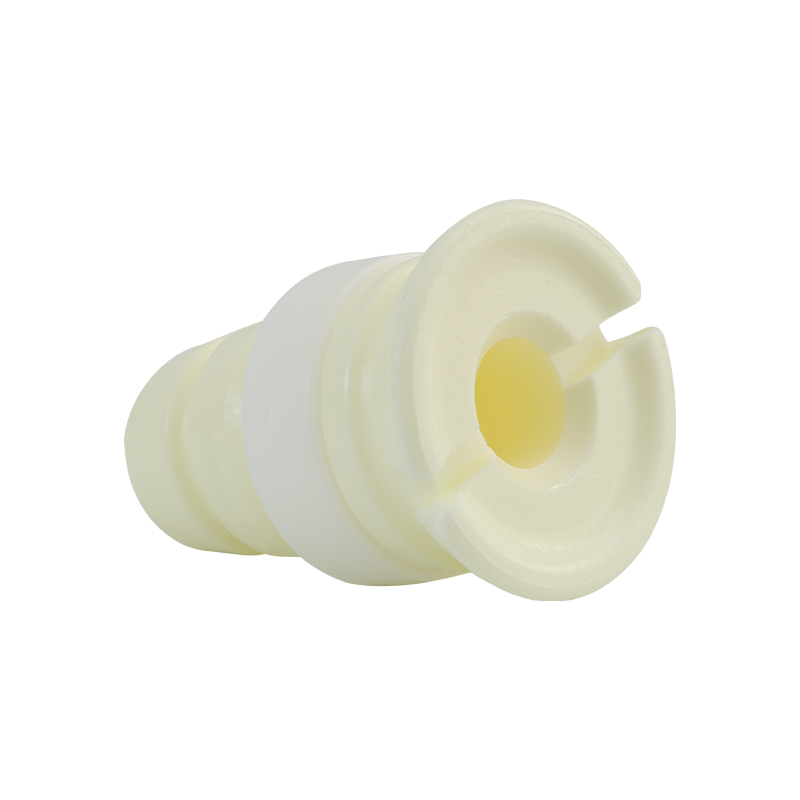
What Happens Without One
If a bump stop is missing, worn through, or crumbled from age, the consequences are rarely subtle. Drivers typically notice a sharp metallic clunk on hard bumps, and over time this repeated impact can:
- Crack or dent the frame or unibody near the mounting point
- Accelerate wear on shock absorbers, which end up absorbing impacts they weren't designed to handle
- Damage CV joints, ball joints, or control arm bushings from sudden shock loading
- Reduce tire contact consistency, momentarily lifting the tire off the road surface
Fleet maintenance data from commercial vehicle operators has shown that vehicles running with degraded or missing bump stops report shock absorber replacement intervals shortened by roughly 20 to 30 percent, simply because the shocks are absorbing impact loads the bump stop should have handled.
Do Bump Stops Only Matter During Extreme Impacts?
Not entirely. While the most obvious role of a bump stop is preventing catastrophic metal-to-metal contact, modern suspension design increasingly uses bump stops as an active part of the ride tuning strategy, not just an emergency backstop.
Many factory and aftermarket bump stops are engineered with a progressive rate, meaning they start soft and gradually stiffen as compression increases. This allows the bump stop to begin contributing resistance well before the suspension reaches its absolute limit — sometimes during moderately aggressive cornering, heavy braking, or when the vehicle is loaded with cargo or passengers. In these situations, the bump stop effectively acts as a secondary spring, adding controlled resistance rather than allowing a hard stop.
This is why some drivers do notice a firming sensation over larger bumps during ordinary daily driving, particularly in vehicles that are lowered, heavily loaded, or fitted with stiffer springs. The bump stop is engaging earlier in the travel range than it would on a stock ride height vehicle.
Common Bump Stop Materials and Designs
Not all bump stops are built the same way, and the material choice significantly affects how the suspension behaves at the end of its travel. The table below compares the most common types found on passenger vehicles, trucks, and off-road platforms.
| Type | Material | Typical Use | Compression Behavior |
|---|---|---|---|
| Solid Rubber | Natural or synthetic rubber | Factory-installed on most cars | Linear, stiffens quickly |
| Microcellular Foam | Polyurethane foam cells | Performance and off-road builds | Progressive, gradual firming |
| Hydraulic | Sealed oil chamber with piston | Off-road, racing, heavy-duty trucks | Velocity-sensitive, smooth ramp-up |
| Polyurethane Solid | Dense polyurethane | Aftermarket lift kits | Firm, durable, less progressive |
Why Hydraulic Bump Stops Stand Out
Hydraulic bump stops represent the most advanced category available for aftermarket and performance applications. Instead of relying purely on the mechanical properties of a solid material, a hydraulic bump stop uses a piston moving through a sealed fluid chamber, similar in concept to a small secondary shock absorber. As the piston moves deeper into the chamber, fluid is forced through metering orifices, and resistance builds proportionally to the speed and depth of compression.
This velocity-sensitive behavior means a hydraulic bump stop responds differently depending on how hard and how fast the suspension is compressing. A slow, gentle compression — such as settling under a heavy load — produces mild resistance, while a violent, high-speed impact generates significantly more damping force almost instantly. This dynamic response is why hydraulic units are common on desert racing trucks, overland-prepped 4x4s, and high-performance trucks that regularly encounter large, unpredictable terrain changes at speed.
Compared to a standard rubber or foam bump stop, a hydraulic unit can extend usable wheel travel by 15 to 25 percent in many off-road applications, because the vehicle no longer needs to rely on the primary shock absorber to control the final portion of compression.
How Vehicle Modifications Affect Bump Stop Requirements
Any modification that changes ride height, spring rate, or suspension travel will almost always change the bump stop requirements as well. This is one of the most overlooked details when people install lift kits, lowering springs, or coilover systems.
Lowering a Vehicle
When a vehicle is lowered, the distance between the axle or control arm and the factory bump stop mount is reduced. This means the suspension reaches the bump stop much earlier in its compression cycle than the factory engineers intended. In many cases, drivers report the bump stop engaging during normal driving over speed bumps or driveway aprons, which produces a harsh, jarring ride. The typical solution is installing a shorter bump stop or a progressive foam-style unit designed to restore appropriate travel before contact occurs.
Lifted vehicles face the opposite problem. Increased ride height often means the factory bump stop no longer reaches its mounting surface at full compression, leaving a gap in protection. Extended or relocated bump stops are commonly added during lift installations specifically to preserve that critical limiting function.
Coilover Conversions
Coilover-equipped vehicles frequently use dedicated bump stop sleeves that slide directly onto the shock shaft. Because coilovers allow adjustable ride height independent of spring compression, the bump stop position must be manually set to match the new geometry. Skipping this step is a common cause of shock absorbers bottoming out internally, which can destroy the shock's internal shaft seals within a single aggressive drive.
Recognizing Wear and Failure
Bump stops are wear items, even though they receive far less attention than springs, shocks, or bushings. Recognizing the signs of a failing bump stop early can prevent secondary damage to more expensive components.
- A sharp, metallic clunking noise over moderate to large bumps
- Visible cracking, crumbling, or chunks missing from a rubber bump stop
- A noticeably harsher ride than when the vehicle was new
- Uneven tire wear caused by inconsistent suspension geometry at full compression
- Oil residue or a soft, mushy feel on hydraulic bump stops, indicating a fluid seal failure
Most manufacturers recommend a visual inspection of bump stops at every major suspension service interval, typically every 30,000 to 50,000 miles, though vehicles regularly driven on rough roads, gravel, or off-road trails should be checked more frequently. Rubber and foam bump stops naturally degrade from UV exposure, oil contamination, and repeated compression cycles, while hydraulic units should be checked for fluid leaks or inconsistent resistance.
Selecting and Installing the Right Bump Stop
Choosing a replacement or upgraded bump stop depends heavily on how the vehicle is used and what suspension modifications, if any, are already in place.
Matching Bump Stop Length and Rate
The correct length is determined by measuring available suspension travel from ride height to the point of maximum safe compression, then subtracting a safety margin. Installing a bump stop that is too long can artificially limit suspension travel and stiffen the ride unnecessarily, while one that's too short may not engage in time to prevent metal-to-metal contact.
Professional Installation Versus DIY
Standard rubber bump stop replacement is typically a straightforward task that many owners handle themselves, often requiring only basic hand tools and access to the strut, axle, or control arm mounting point. However, hydraulic bump stops, extended brackets for lifted vehicles, or bump stop relocation kits usually benefit from professional installation, since they may require precise measurement, welding, or alignment verification to function correctly.
Bump stops should generally be replaced in pairs on the same axle to maintain even suspension behavior side to side. Doing so preserves balanced handling and avoids the subtle imbalance that comes from mismatched wear.
Replacing only one side can create a subtle handling imbalance, particularly noticeable during hard cornering or on uneven road surfaces — a risk that compounds over time if left uncorrected.
Final Takeaway
A bump stop may be one of the smallest components in a suspension system, but its role in protecting the frame, shocks, and drivetrain from extreme impact forces is significant. Whether relying on a factory rubber unit or an upgraded hydraulic bump stop for demanding off-road use, keeping this component in good condition — and correctly matched to the vehicle's ride height and intended use — is essential for both long-term suspension durability and everyday ride comfort.
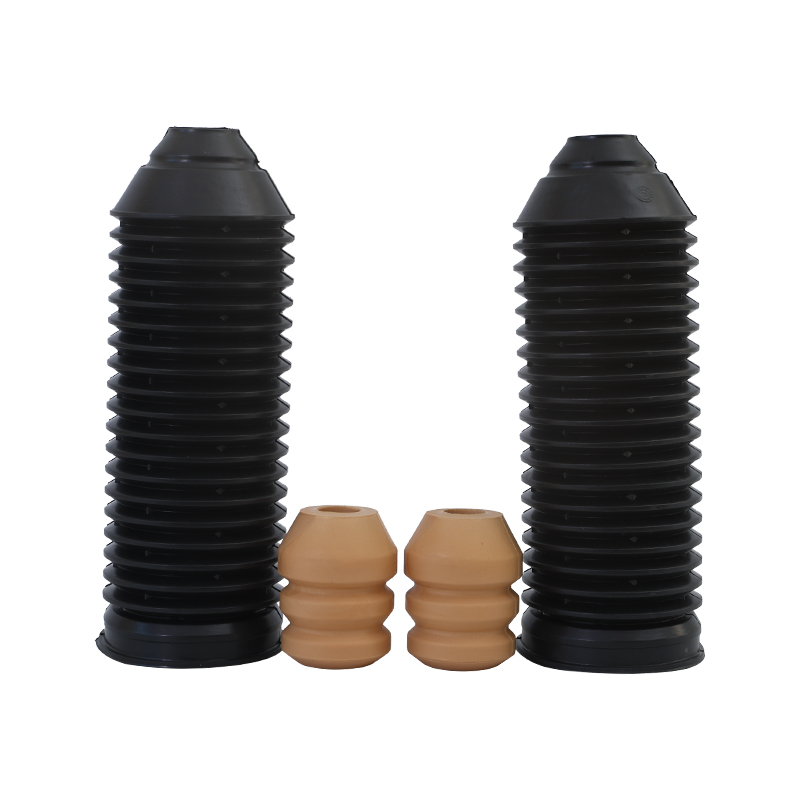
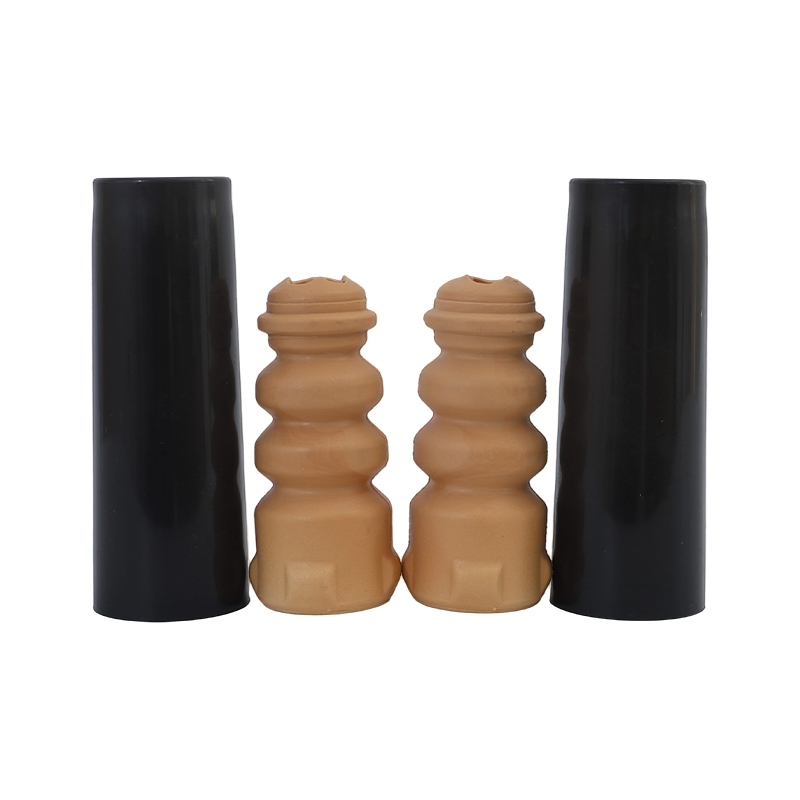
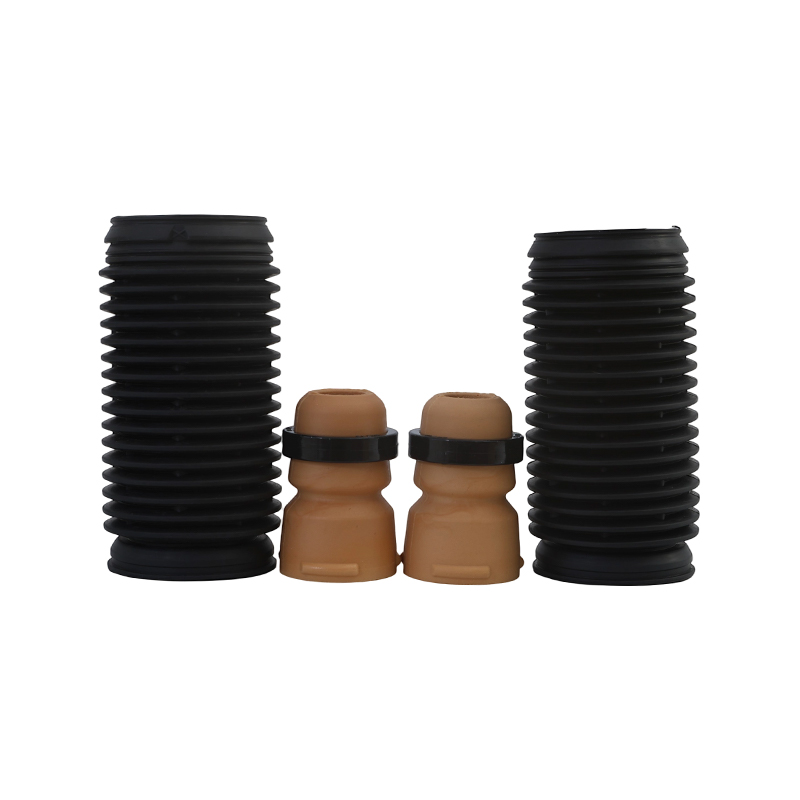
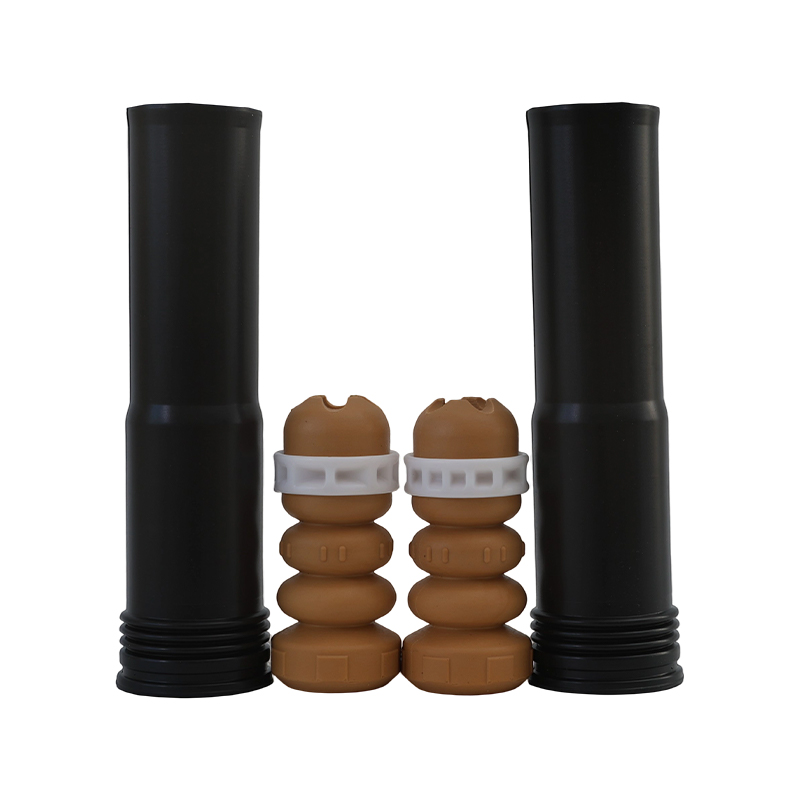
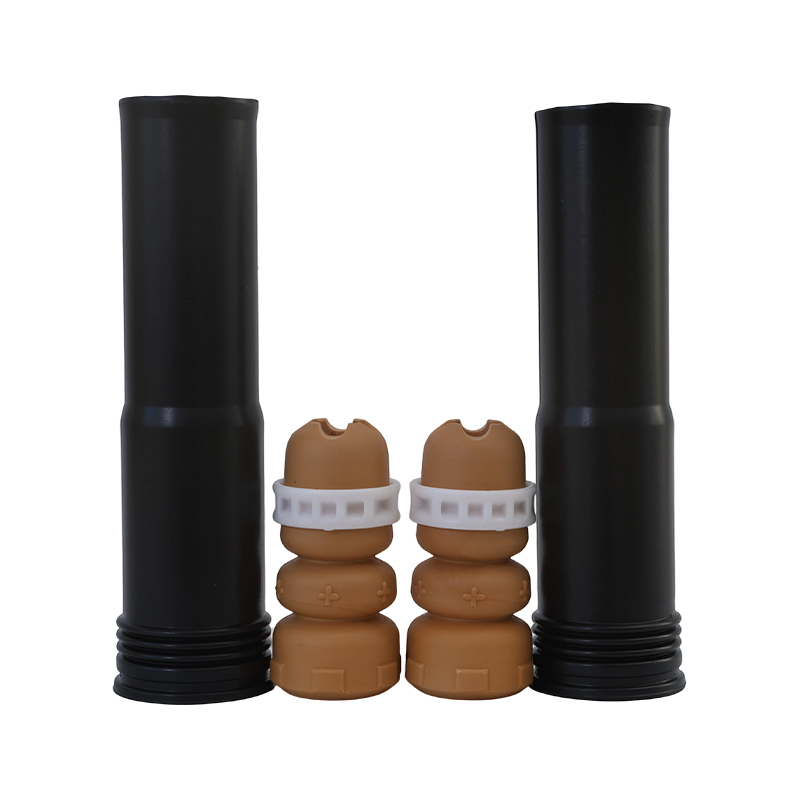
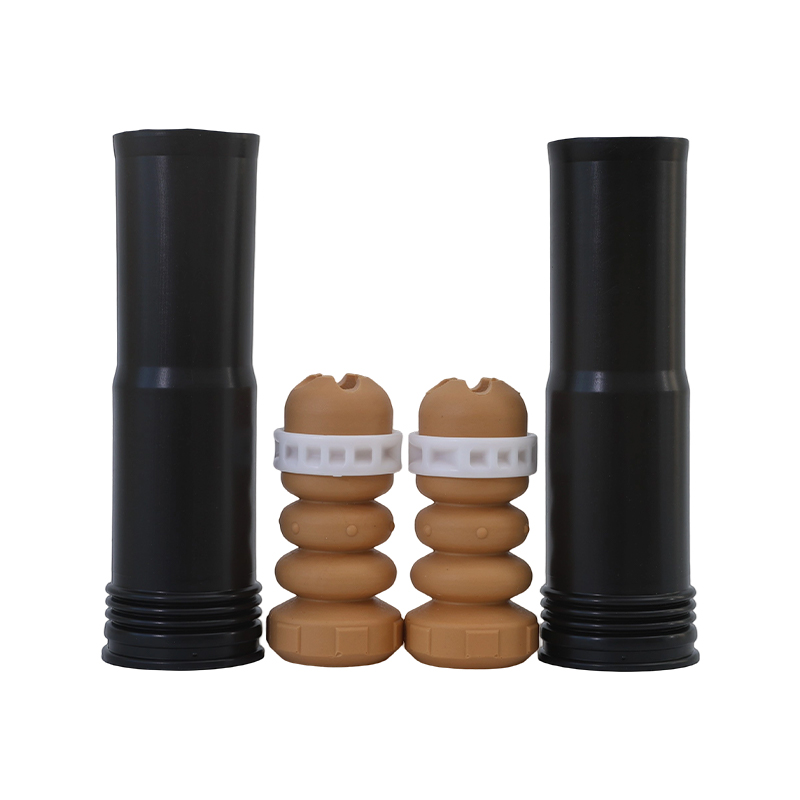
-3.jpg "Are Automotive Bump Stops Necessary? A Comprehensive Guide to Function, Types, and Replacement")
-1.jpg "What is a bump stop in a car, and what is its function in a vehicle's suspension system?")
.jpg "Peugeot Shock Absorber Bump Stop: Function, Replacement, and Common Issues")



