 English
 русский
 Español
 عربى
عربى

Suspension Engineering — Materials Guide
A closer look at how compound choice quietly shapes comfort, durability, and long-term suspension health.
The Direct Answer: Polyurethane Lasts Longer, Rubber Rides Quieter
The core difference between a rubber bump stop and a polyurethane one comes down to a trade-off between comfort and durability. A rubber bump stop is softer, quieter, and more forgiving on impact, but it breaks down faster under heat, UV exposure, and repeated compression, often needing replacement within 3 to 6 years of normal driving. A polyurethane bump stop is firmer, resists cracking and oil contamination far better, and can last 10 years or more in the same conditions, but it transmits slightly more noise and harshness into the cabin when the suspension bottoms out. If your priority is ride comfort and low cost, rubber is usually the better fit. If your priority is long-term durability, load-carrying capacity, or performance driving, polyurethane is the stronger choice.
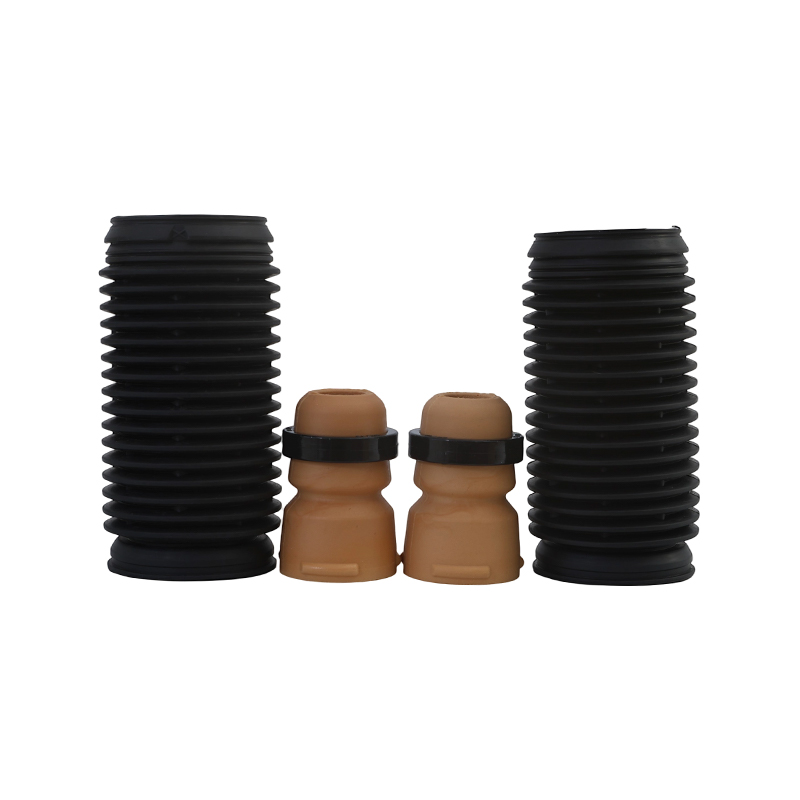
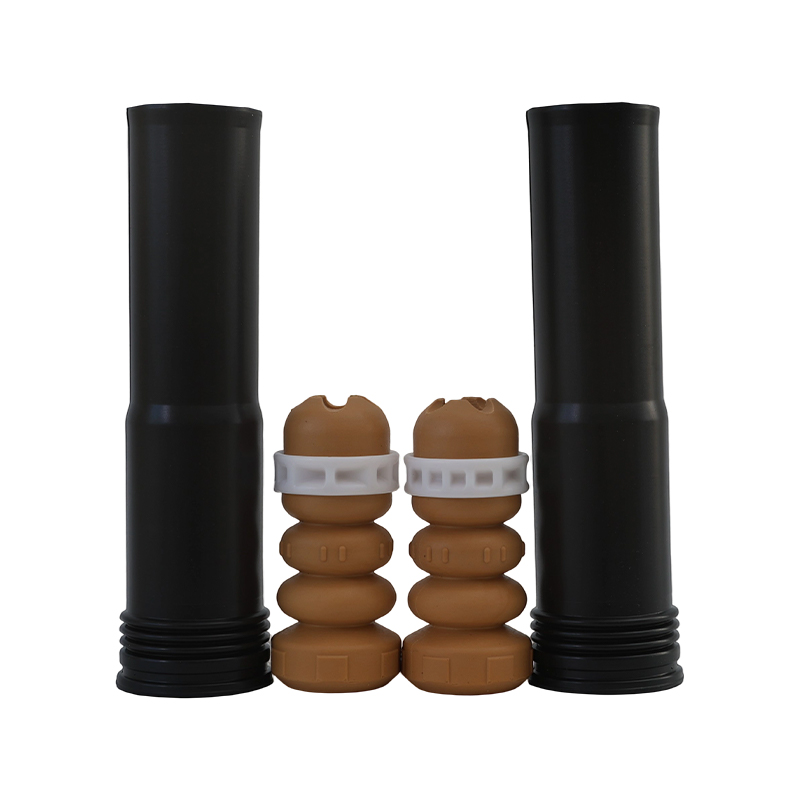
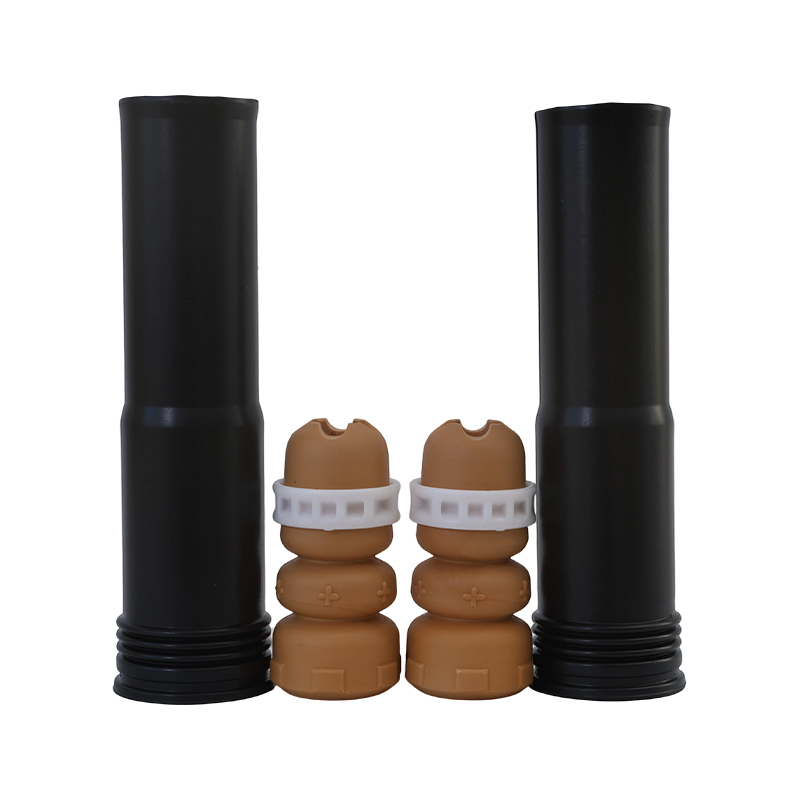
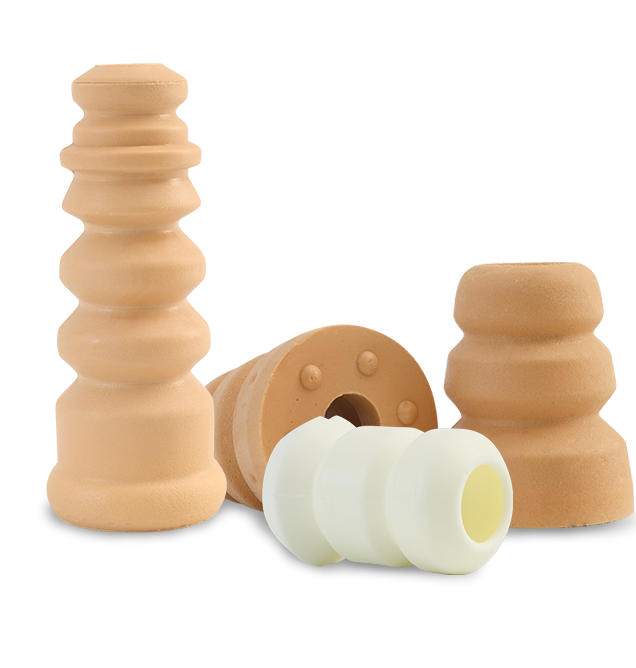
bump stop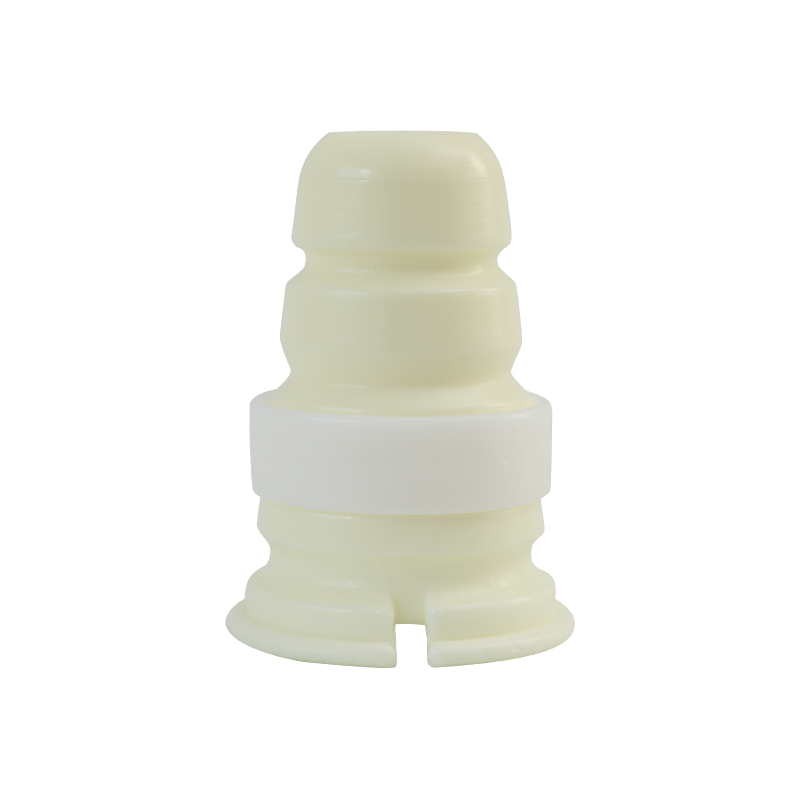
This distinction matters most when you are shopping for a replacement rear bump stop or a full set of shock bump stops, since the rear suspension typically compresses more under load (passengers, cargo, towing) and wears its bump stops out faster than the front.
What a Bump Stop Actually Does
Before comparing materials, it helps to understand the job both types of bump stops are designed to do. A bump stop is a cushion mounted on the shock shaft or inside the spring perch that prevents the suspension from reaching full metal-to-metal compression. Without it, a hard hit — a pothole, a speed bump taken too fast, or a heavy load pushing the axle upward — would slam the control arm or axle directly into the frame or shock tower, causing structural damage.
Every bump stop, regardless of material, absorbs the last few centimeters of suspension travel and converts that sudden energy into a controlled, gradual stop. The material used to build that cushion determines how it feels, how long it survives, and how much protection it actually provides over the vehicle's life.
Material Composition and Hardness
Rubber bump stops are molded from natural or synthetic rubber compounds, typically rated between 50 and 70 on the Shore A hardness scale. That places them in a similar hardness range to a shoe sole — firm enough to hold shape, soft enough to compress easily under moderate force.
Polyurethane bump stops are cast from a denser polymer and generally measure between 80 and 95 Shore A, sometimes moving into the Shore D scale for heavy-duty truck applications. This higher density means polyurethane resists compression set — the tendency of a material to stay flattened after repeated squeezing — much better than rubber. A rubber bump stop that has taken thousands of hits over several years often looks visibly mushroomed or flattened, losing its original cushioning profile, while a polyurethane part of the same age typically retains close to its original shape.
Why Hardness Changes the Feel
Hardness directly controls how the suspension feels when it contacts the stop. A softer rubber compound compresses gradually, spreading the impact over a longer distance and time, which is why rubber-equipped vehicles tend to feel smoother over sharp bumps. Polyurethane compresses less and resists deformation more, so the same impact is absorbed over a shorter distance — effective at limiting travel, but noticeably firmer underfoot.
The material doesn't just cushion an impact — it decides how that impact is felt, heard, and remembered by every passenger in the car.
Durability and Resistance to Environmental Damage
Longevity is where the two materials diverge the most, and it is the single biggest reason drivers choose one over the other when replacing a worn rear bump stop.
- Rubber degrades under UV exposure, ozone, and road salt, developing surface cracks that deepen over time.
- Rubber softens when exposed to oil, grease, or brake fluid, which can seep from nearby components and accelerate breakdown.
- Polyurethane is largely unaffected by ozone and UV light, and it resists oil and chemical contamination far better than rubber.
- Polyurethane maintains consistent hardness across a wider temperature range, from freezing winters to hot summer pavement.
In practical terms, a set of rubber shock bump stops driven daily in a hot, sunny climate can show cracking within 2 to 4 years, while the same polyurethane part in identical conditions often remains structurally sound past the 10-year mark. This is why polyurethane has become the standard upgrade choice for trucks, tow vehicles, and off-road builds that see repeated hard compression cycles.
Ride Comfort, Noise, and Handling Feedback
Comfort is the strongest argument in favor of rubber. Because the compound is softer, a rubber bump stop absorbs impact energy more gradually and quietly, which matters most for daily commuter cars, family sedans, and vehicles that regularly carry passengers over rough streets.
Polyurethane, by contrast, transmits a sharper, more audible "thud" when the suspension bottoms out, since less of the impact energy is dissipated within the material itself. Some drivers who switch to polyurethane shock bump stops report a firmer, more communicative ride overall — useful feedback for spirited or performance driving, but a downside for anyone prioritizing a plush, quiet cabin. This is a genuine trade-off rather than a flaw in either material; it simply reflects the physics of a softer compound versus a denser one.
Info
If comfort and noise are equally important to you, some owners choose a mid-durometer hybrid compound that blends characteristics of both materials.
Load Capacity and Suspension Travel Control
Because polyurethane resists compression more effectively, it manages suspension travel more precisely under heavy or repeated loads. This makes it especially relevant for the rear axle, where a rear bump stop often deals with more frequent, harder compression than the front — think of a pickup truck bed loaded with cargo, a trailer hitch pushing down on the rear suspension, or a full row of rear passengers.
Progressive-rate polyurethane bump stops, which use a stepped or conical shape to increase resistance the further they compress, are commonly used in towing and off-road applications precisely because they hold their shape and control travel consistently even after thousands of compression cycles. A soft rubber equivalent under the same repeated loading would flatten out and lose effective travel control much sooner.
Side-by-Side Comparison
| Property | Rubber Bump Stop | Polyurethane Bump Stop |
|---|---|---|
| Typical Hardness (Shore A) | 50–70 | 80–95 |
| Average Lifespan | 3–6 years | 10+ years |
| UV / Ozone Resistance | Low | High |
| Oil / Chemical Resistance | Low | High |
| Ride Comfort | Softer, quieter | Firmer, more feedback |
| Best Use Case | Daily commuting, comfort priority | Towing, off-road, heavy loads |
| Approximate Cost per Set | Lower | Moderate to higher |
Cost Differences and Long-Term Value
Rubber bump stops are generally the cheaper option upfront, which is why most vehicles ship from the factory with rubber as the original equipment material. A basic rubber bump stop or set of shock bump stops can often be sourced affordably, making it an easy, low-cost replacement for drivers who simply want to restore factory performance.
Polyurethane parts typically cost more per unit, but the extended lifespan changes the long-term math. A driver who replaces rubber bump stops every 4 years might install polyurethane once and not need to touch them again for a decade or longer. For vehicles that see frequent heavy loading, towing, or rough terrain, the higher upfront cost of polyurethane is usually offset by fewer replacement cycles and reduced risk of suspension component damage from a failed stop.
Value Tip
Calculated over a ten-year ownership period, polyurethane frequently works out cheaper overall despite its higher initial price.
Which One Should You Choose?
The right choice depends on how the vehicle is actually used rather than a single universally "better" answer.
- Choose rubber if the vehicle is a daily commuter driven mostly on smooth roads, and ride comfort is the top priority.
- Choose polyurethane if the vehicle regularly tows, hauls heavy cargo, or is driven off-road where the rear suspension compresses hard and often.
- Choose polyurethane if the vehicle lives in a hot, sunny, or coastal climate where UV exposure and road salt accelerate rubber breakdown.
- Choose rubber if budget is the main constraint and the bump stops will be inspected and replaced on a routine maintenance schedule anyway.
Many owners also mix materials strategically — keeping factory rubber up front where ride comfort matters most, while upgrading the rear bump stop to polyurethane where load and compression cycles are highest. This hybrid approach balances comfort and durability without a full-vehicle material swap.
Signs It's Time to Replace Either Type
Regardless of material, certain warning signs indicate a bump stop needs attention before it fails completely and allows metal-to-metal contact:
- Visible cracking, crumbling, or chunks missing from the surface.
- A loud clunking noise over bumps that wasn't present before.
- A flattened or mushroomed shape compared to a new replacement part.
- Oil staining or a soft, sticky texture on a rubber stop, indicating chemical contamination.
Warning
Continuing to drive on a failed bump stop risks metal-to-metal contact, which can quickly escalate into costly frame, shock tower, or shock absorber damage.
Inspecting bump stops during routine suspension checks — roughly every 20,000 to 30,000 miles — helps catch wear before it leads to more expensive shock, strut, or frame damage.
Caution
Never delay replacement once cracking has reached the mounting base — this is the stage at which the stop can detach entirely under load.
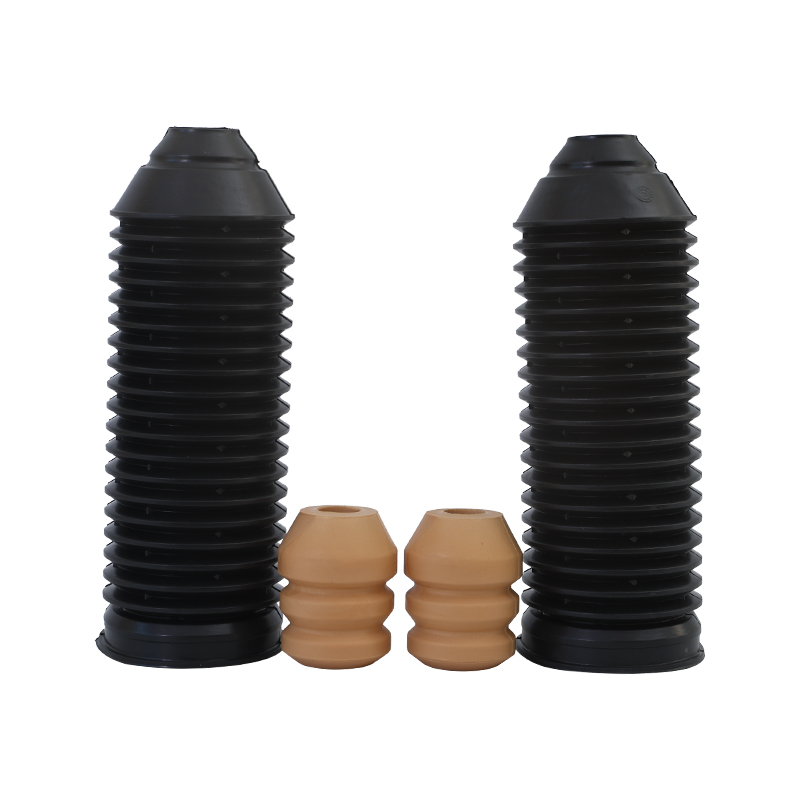
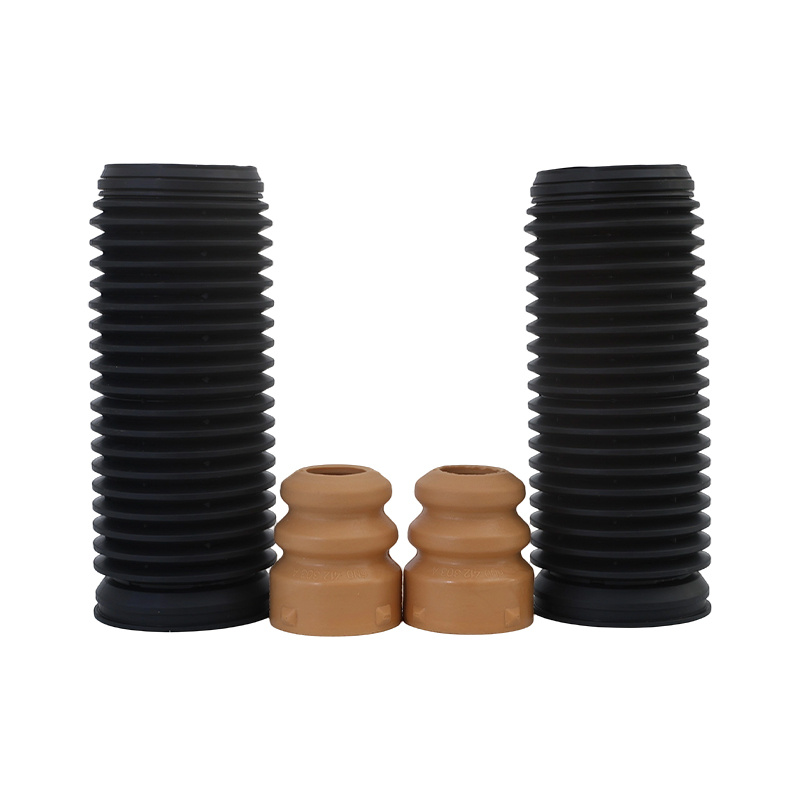
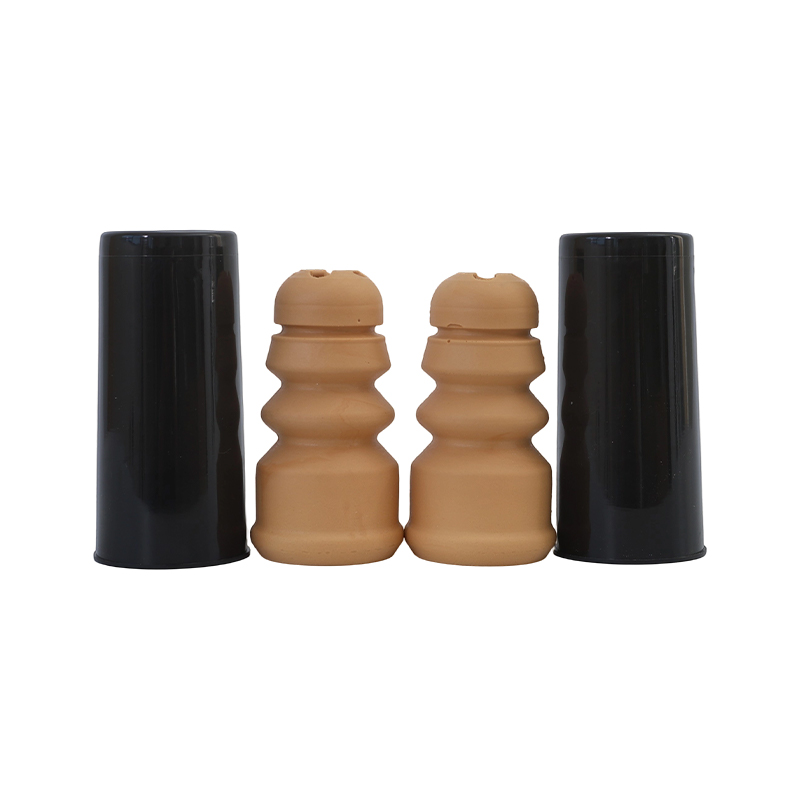
-3.jpg "Are Automotive Bump Stops Necessary? A Comprehensive Guide to Function, Types, and Replacement")
-1.jpg "What is a bump stop in a car, and what is its function in a vehicle's suspension system?")
.jpg "Peugeot Shock Absorber Bump Stop: Function, Replacement, and Common Issues")



