 English
 русский
 Español
 عربى
عربى

The Absorber Bump Stop is highly effective in preventing suspension bottoming out when properly matched to the vehicle's suspension system. Its primary function is to absorb and dissipate impact energy when suspension travel reaches its limit. By acting as a progressive cushioning component, it prevents harsh metal-to-metal contact and reduces stress on critical suspension parts.
In real-world applications, quality suspension bump stops can significantly reduce impact loads during severe compression events. This protection helps extend the service life of shocks, struts, springs, control arms, mounting brackets, and chassis components. Drivers also benefit from improved ride comfort, reduced vibration, and better vehicle control when encountering potholes, speed bumps, heavy cargo loads, or rough terrain.
For vehicles that frequently carry heavy loads or operate on uneven roads, an Absorber Bump Stop is often one of the most important components for preventing suspension damage and maintaining predictable handling characteristics.
What Causes Suspension Bottoming Out?
Suspension bottoming out occurs when the suspension system compresses fully and reaches the end of its available travel. At this point, the suspension can no longer absorb additional impact energy effectively, causing a sudden and often damaging impact.
Common causes include:
- Driving over large potholes at speed.
- Carrying loads beyond normal operating conditions.
- Worn shock absorbers or springs.
- Aggressive off-road driving.
- Poorly designed or undersized suspension systems.
Without effective suspension bump stops, these events can generate extreme forces that are transferred directly into suspension and chassis components, increasing the risk of premature wear or structural damage.
How an Absorber Bump Stop Prevents Bottoming Out
An Absorber Bump Stop functions as a secondary spring system. Under normal driving conditions, it remains inactive. As suspension compression approaches its maximum limit, the bump stop begins to engage and progressively increases resistance.
Progressive Energy Management
Unlike a hard mechanical stop, modern suspension bump stops compress gradually. This progressive compression converts impact energy into elastic deformation, slowing the suspension before it reaches full compression.
This progressive behavior can reduce peak impact forces by 40% to 50% during severe suspension events. As a result, occupants experience less harshness, and suspension components are exposed to significantly lower stress levels.
Protection Against Component Damage
By limiting excessive suspension travel, an Absorber Bump Stop protects:
- Shock absorbers and struts.
- Coil and leaf springs.
- Control arms.
- Mounting brackets.
- Vehicle chassis structures.
Comparing Vehicles With and Without Effective Suspension Bump Stops
| Performance Factor | With Effective Bump Stop | Without Effective Bump Stop |
|---|---|---|
| Bottoming-Out Protection | Excellent | Poor |
| Ride Comfort | Smooth | Harsh |
| Suspension Longevity | Extended | Reduced |
| Impact Absorption | High | Low |
| Vehicle Stability | Improved | Less Predictable |
The comparison clearly shows that effective suspension bump stops contribute directly to ride quality, safety, and component durability.
Material Choice and Its Impact on Performance
Material selection plays a major role in determining how effectively an Absorber Bump Stop prevents suspension bottoming out. Different materials provide different levels of compression resistance, durability, and energy absorption.
| Material | Durability | Energy Absorption | Typical Use |
|---|---|---|---|
| Polyurethane | Excellent | High | Heavy-duty applications |
| Rubber | Good | Moderate | General-purpose use |
High-density polyurethane designs often maintain their shape and performance characteristics even after thousands of compression cycles, making them particularly suitable for demanding environments.
Performance Under Heavy Loads
Heavy cargo significantly increases suspension compression and raises the likelihood of bottoming out. Under these conditions, suspension bump stops become increasingly important because they provide additional support during extreme suspension travel.
Testing across various vehicle types has shown that vehicles equipped with properly designed bump stops maintain better ride height control and exhibit lower peak suspension loads when carrying heavy cargo. In many cases, component stress levels can be reduced by 30% or more compared to systems with worn or ineffective bump stops.
Benefits for Off-Road and Rough-Road Driving
Off-road driving exposes suspension systems to frequent high-impact events. Deep ruts, rocks, sudden elevation changes, and uneven surfaces can rapidly compress suspension travel.
In these environments, suspension bump stops provide several advantages:
- Reduced shock loading during hard impacts.
- Improved vehicle control during suspension compression.
- Lower risk of chassis contact.
- Enhanced durability of suspension components.
- More predictable handling characteristics.
These benefits make an Absorber Bump Stop an essential component for vehicles that regularly encounter challenging road conditions.
Signs That Suspension Bump Stops Need Replacement
Even the most durable suspension bump stops eventually wear out. Replacing damaged bump stops before failure helps maintain suspension performance and prevents costly repairs.
- Visible cracking or splitting.
- Permanent compression or deformation.
- Frequent bottoming-out events.
- Increased suspension noise.
- Reduced ride comfort over bumps.
- Uneven suspension response.
Routine inspections during suspension maintenance can help identify these issues before they affect vehicle performance.
An Absorber Bump Stop is one of the most effective solutions for preventing suspension bottoming out. By absorbing impact energy, limiting excessive suspension travel, and protecting critical components, it improves ride quality, vehicle stability, and long-term durability.
Whether the vehicle is used for daily commuting, carrying heavy loads, or operating on rough terrain, properly designed suspension bump stops provide measurable benefits. Their ability to reduce impact forces, protect suspension components, and enhance overall driving performance makes them an essential part of a well-functioning suspension system.
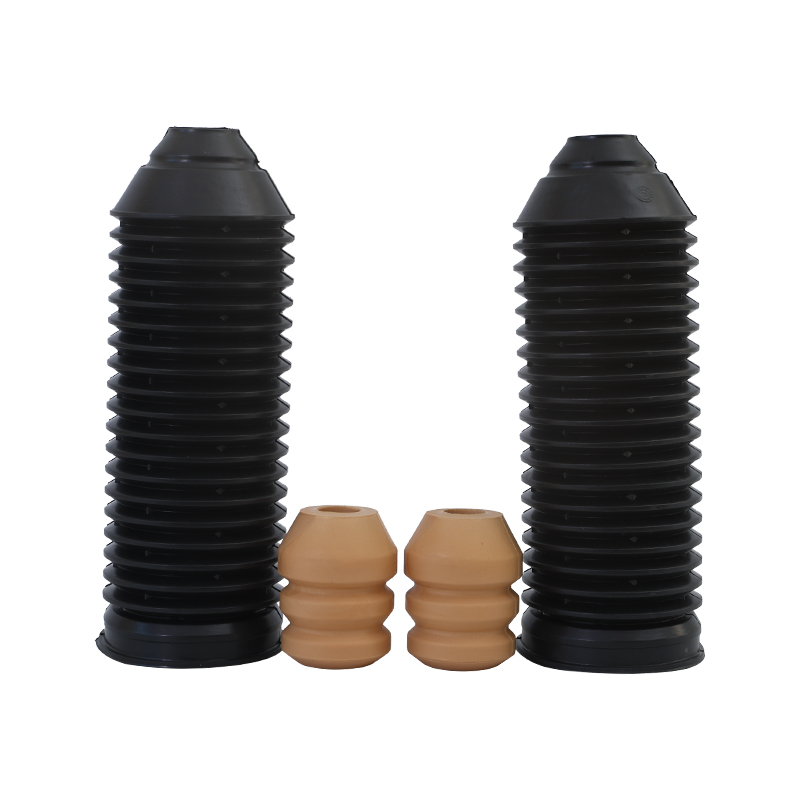
.jpg "HP012 Front Shock Absorber Auxiliary Spring Bump Stop for Mercedes-Benz")
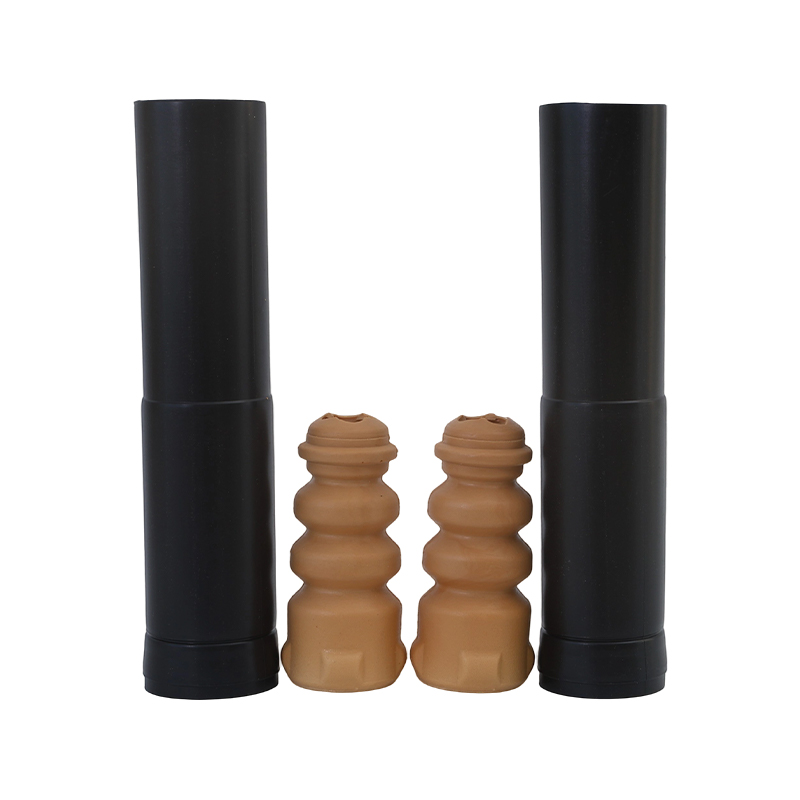
.jpg "HP005 Rear Shock Absorber Bump Stop for Ford")
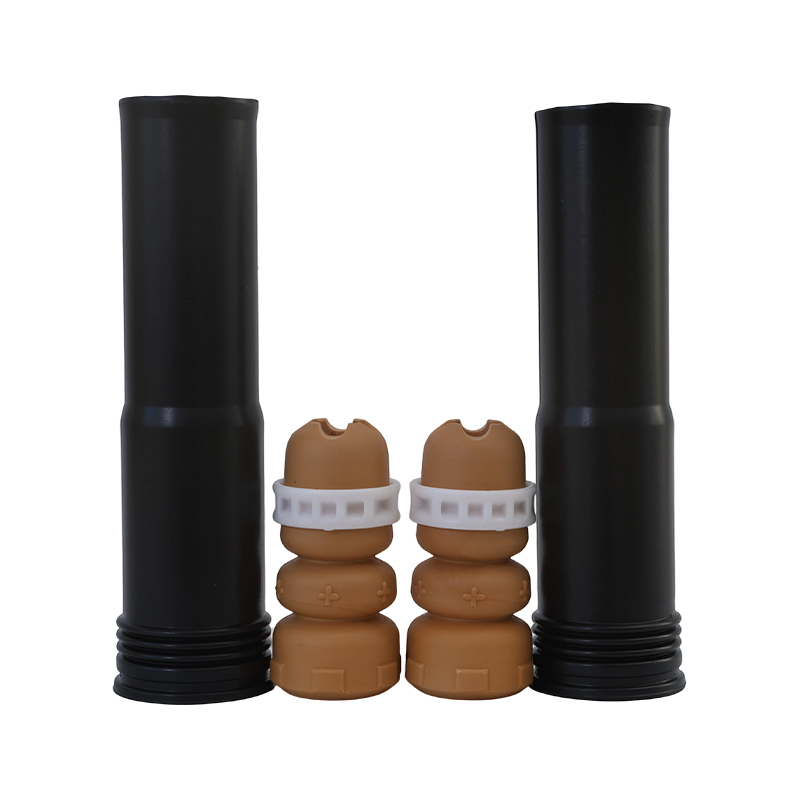
.jpg "HP001 Front Shock Absorber Bump Stop for Chevrolet")
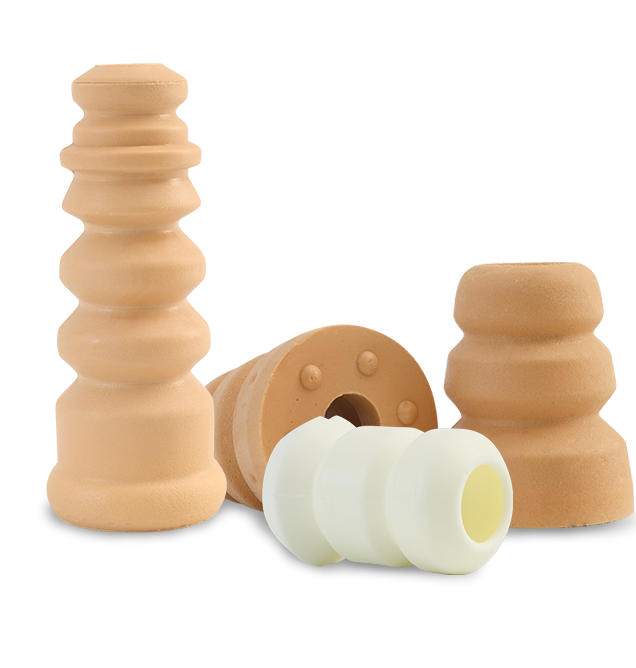
-3.jpg "Are Automotive Bump Stops Necessary? A Comprehensive Guide to Function, Types, and Replacement")
-1.jpg "What is a bump stop in a car, and what is its function in a vehicle's suspension system?")
.jpg "Peugeot Shock Absorber Bump Stop: Function, Replacement, and Common Issues")



