 English
 русский
 Español
 عربى
عربى

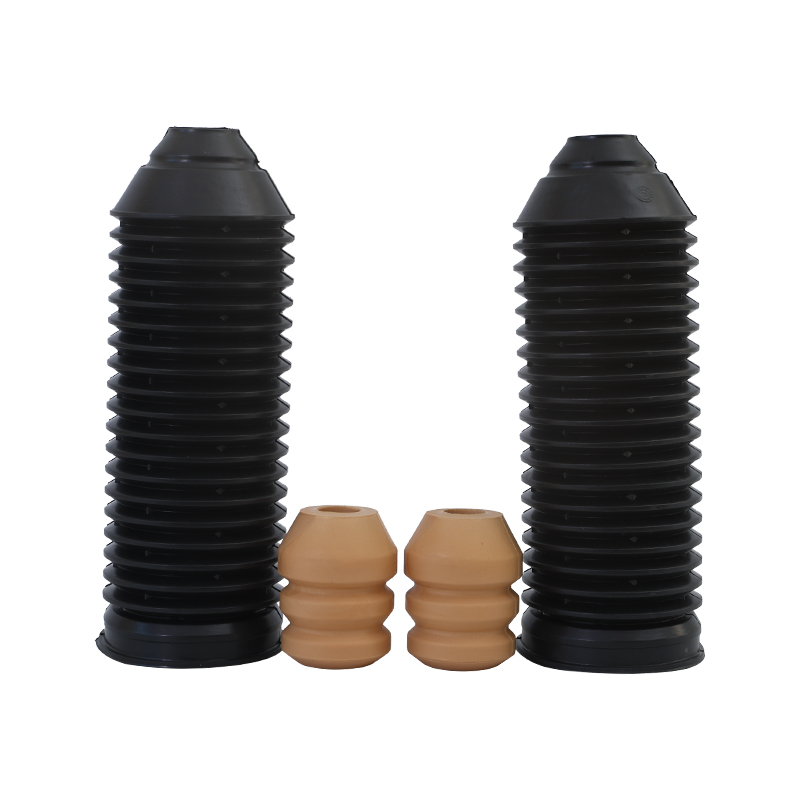
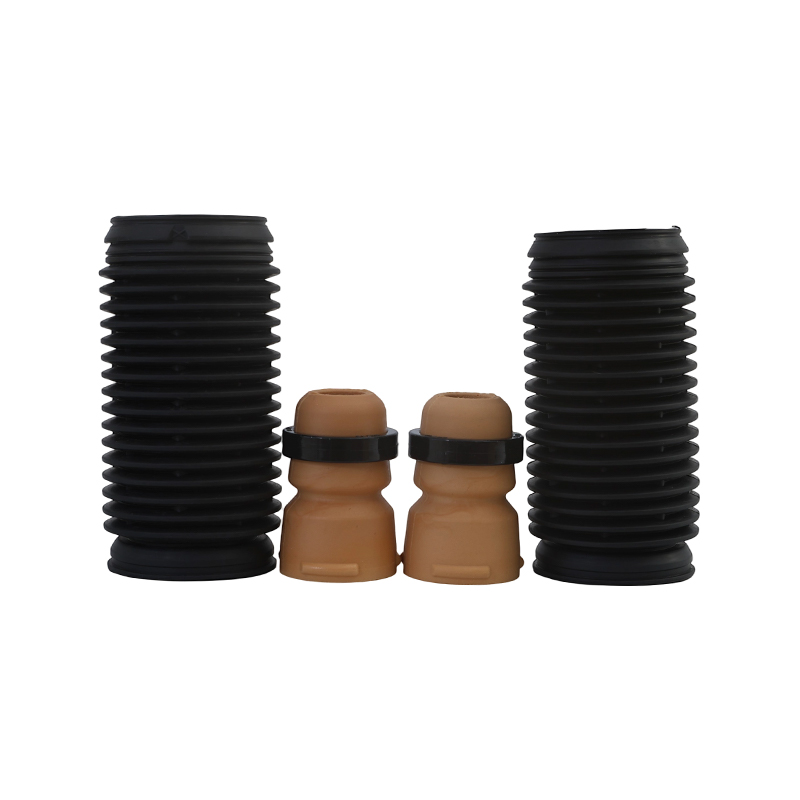
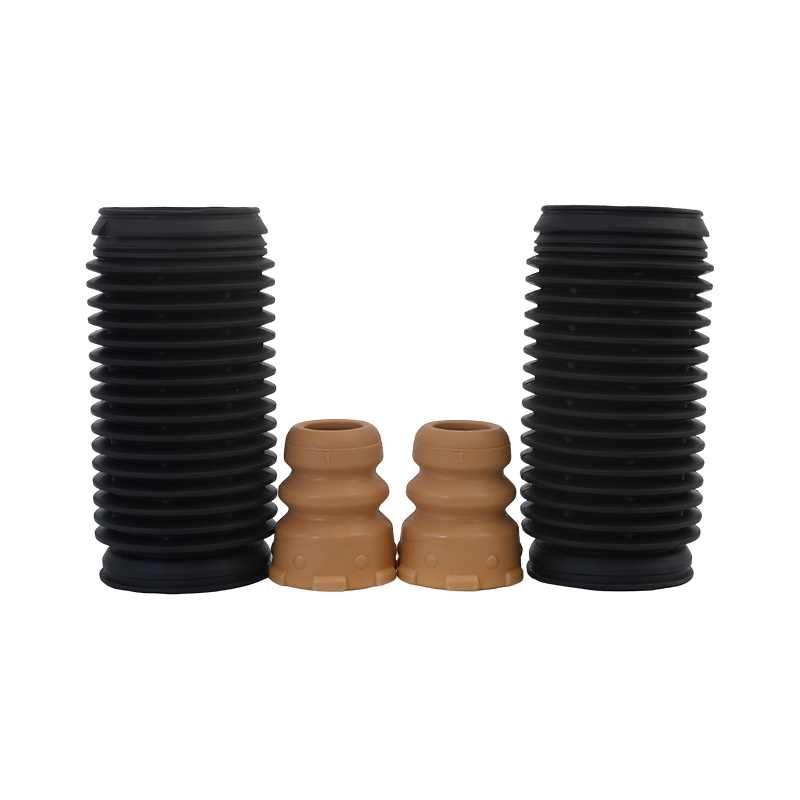
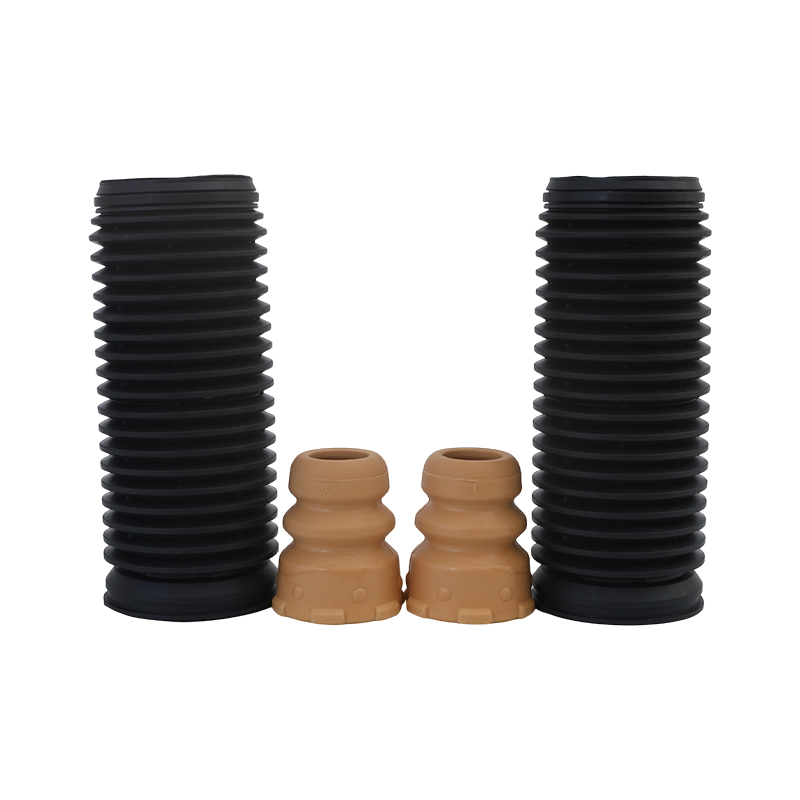
When comparing a standard rubber Automotive Front Bump Stop with a heavy-duty reinforced Automotive Front Bump Stop, the reinforced version provides superior long-term suspension protection. While standard rubber is adequate for daily driving and light loads, heavy-duty reinforced options excel under repeated stress, off-road conditions, and higher weight capacities. This makes them a preferred choice for vehicles that experience frequent impacts or heavy-duty usage, helping prevent premature wear of suspension components and shock absorbers.
Material Composition and Durability
A standard rubber Automotive Front Bump Stop is typically made from natural or synthetic rubber compounds that are flexible and cost-effective. This material provides good absorption of minor impacts but tends to compress permanently over time under continuous stress. On the other hand, a heavy-duty reinforced Automotive Front Bump Stop combines high-strength rubber with internal reinforcement fibers or polyurethane inserts. This construction improves resilience against compression set and ensures the bump stop maintains its shape and performance for thousands of miles.
In lab tests, standard rubber bump stops can lose up to 20-25% of their original height after 50,000 cycles of impact, whereas reinforced models retain over 90% of their initial height under the same conditions. This significant difference directly affects the longevity of the vehicle's suspension system.
Impact on Ride Comfort and Noise Reduction
Ride comfort is another factor where material choice matters. Standard rubber Automotive Front Bump Stops offer a softer initial compression, which feels smooth over small bumps. However, they may not consistently absorb larger impacts, leading to harsh bottoming and occasional vibrations transmitted to the cabin. In contrast, heavy-duty reinforced bump stops are engineered to handle a wider range of forces, reducing the frequency of bottoming-out and enhancing control over uneven terrain.
Additionally, the reinforced design can integrate noise-reducing layers, minimizing the clunking sounds often heard with older or compressed rubber bump stops. For vehicles aiming for both performance and comfort, this aspect significantly improves daily driving quality.
Comparison of Performance Metrics
| Feature | Standard Rubber | Heavy-Duty Reinforced |
|---|---|---|
| Compression Resistance | Moderate | High |
| Longevity | 3-5 years | 7-10 years |
| Shock Absorption | Basic | Advanced |
| Noise Reduction | Low | Moderate to High |
| Impact on Shock Absorber Longevity | Moderate protection | Significant protection |
Installation and Maintenance Considerations
Installing a standard rubber Automotive Front Bump Stop is straightforward and requires minimal tools. Heavy-duty reinforced versions may demand slightly more effort due to their increased stiffness or reinforced inserts. However, the investment in installation time is offset by reduced maintenance and longer service intervals.
Routine inspections should focus on cracks, permanent deformation, or unusual wear. Standard rubber bump stops may need replacement every 3-5 years, whereas reinforced bump stops can remain effective for 7-10 years, reducing long-term maintenance costs.
Impact on Overall Suspension and Shock Absorbers
The choice of Automotive Front Bump Stop directly affects the lifespan of shock absorber bump stop components. A poorly performing standard rubber bump stop allows more metal-to-metal contact during extreme compression, accelerating wear of shocks and springs. Conversely, a heavy-duty reinforced bump stop limits maximum travel safely, distributing forces more evenly and protecting suspension components from high-impact stress.
For example, vehicles with reinforced bump stops operating on uneven terrain have shown 30% longer shock absorber life in field studies, demonstrating a measurable advantage over standard rubber designs.
<section style="margin-bottom
.jpg "HP012 Front Shock Absorber Auxiliary Spring Bump Stop for Mercedes-Benz")
-3.jpg "Are Automotive Bump Stops Necessary? A Comprehensive Guide to Function, Types, and Replacement")
-1.jpg "What is a bump stop in a car, and what is its function in a vehicle's suspension system?")
.jpg "Peugeot Shock Absorber Bump Stop: Function, Replacement, and Common Issues")



