 English
 русский
 Español
 عربى
عربى

-
Limiting Suspension Travel
Suspension bump stops serve as a critical mechanical buffer that restricts the range of motion of the suspension system. When a vehicle encounters large obstacles, potholes, or heavy payloads, the suspension components—including control arms, shocks, and bushings—may compress fully. Without a bump stop, this full compression can lead to hard metal-to-metal contact between components or between the suspension and the vehicle chassis. Such impacts transmit high forces directly to critical parts, increasing the likelihood of bending, cracking, or structural fatigue. By absorbing a portion of this energy and gradually decelerating the suspension’s travel at the extremes, bump stops limit over-compression, ensuring that shocks, control arms, and bushings operate within their intended stress ranges. This preserves the structural integrity of the suspension system and prevents cumulative damage over time.
-
Reducing Shock Absorber Stress
Shock absorbers and struts are engineered to handle specific ranges of motion and damping forces. When the suspension bottoms out without a bump stop, shocks can be subjected to excessive loads that exceed design specifications, potentially causing oil leakage, seal failure, or internal damage. By providing an additional cushion at the end of the suspension travel, bump stops reduce the intensity of peak forces transmitted to the shocks. This protective function helps maintain consistent damping performance, preserves the internal components of the shock absorber, and ensures a smooth ride quality. Over time, this also extends the lifespan of shocks and struts, reducing maintenance costs and maintaining the suspension’s ability to handle both normal and extreme driving conditions effectively.
-
Protecting Control Arms and Mounting Points
Control arms serve as the primary link between the suspension and the vehicle chassis and are critical for maintaining alignment and stability. Extreme compression events without bump stops can exert excessive bending and torsional forces on the control arms, leading to metal fatigue, deformation, or even fractures. Bushings, which cushion control arm movements, can also be overstressed, resulting in cracks or permanent deformation. By cushioning these impacts, bump stops prevent excessive force from reaching control arms and their mountings, preserving proper suspension geometry, alignment, and functionality. This protection is especially important for vehicles subjected to off-road conditions, heavy loads, or frequent dynamic maneuvers, where the suspension is regularly pushed to its limits.
-
Minimizing Bushing Wear
Suspension bushings are designed to absorb minor vibrations and allow controlled movement of the suspension system. Without a bump stop, extreme suspension compression can force the bushings into over-compression, leading to accelerated wear, material fatigue, or permanent deformation. Bump stops act as a protective intermediary, absorbing high-impact energy and shielding the bushings from excessive force. By preventing over-compression, bump stops maintain the elasticity and vibration isolation properties of the bushings, which contributes to smoother vehicle operation, reduced noise, and prolonged durability of suspension components.
-
Progressive Load Distribution
Many high-quality bump stops are designed with progressive or variable stiffness, meaning that their resistance increases as the suspension compresses further. This design feature allows the bump stop to absorb small impacts gently while providing stronger resistance for larger impacts. By distributing energy progressively, bump stops prevent any single suspension component from experiencing extreme stress at the end of the travel range. This controlled load distribution reduces the risk of component fatigue, ensures consistent performance, and minimizes the likelihood of premature wear in shocks, control arms, and bushings, even under repeated heavy loading conditions.
-
Enhancing Long-Term Reliability
By preventing direct impacts and excessive stress on critical suspension components, bump stops contribute significantly to the overall longevity and reliability of the suspension system. Shocks maintain their damping characteristics, control arms retain their structural integrity, and bushings preserve their elasticity. This protective function reduces the frequency of repairs and replacements, lowers long-term maintenance costs, and ensures safe and predictable handling throughout the vehicle’s service life. Vehicles equipped with properly designed and maintained bump stops benefit from improved ride quality, better alignment retention, and consistent performance under varying driving conditions, including high-load and off-road scenarios.
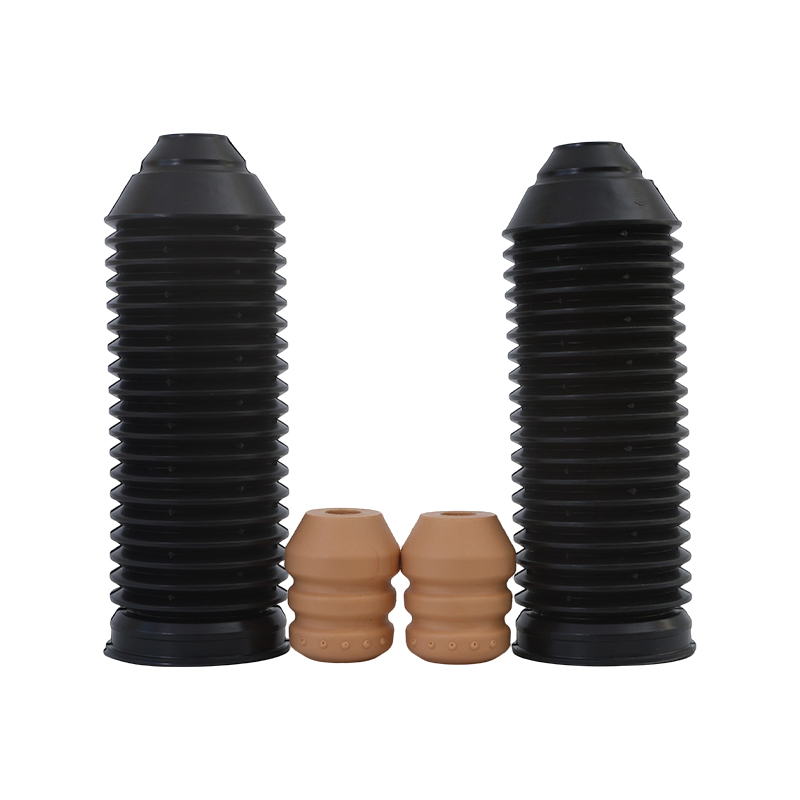
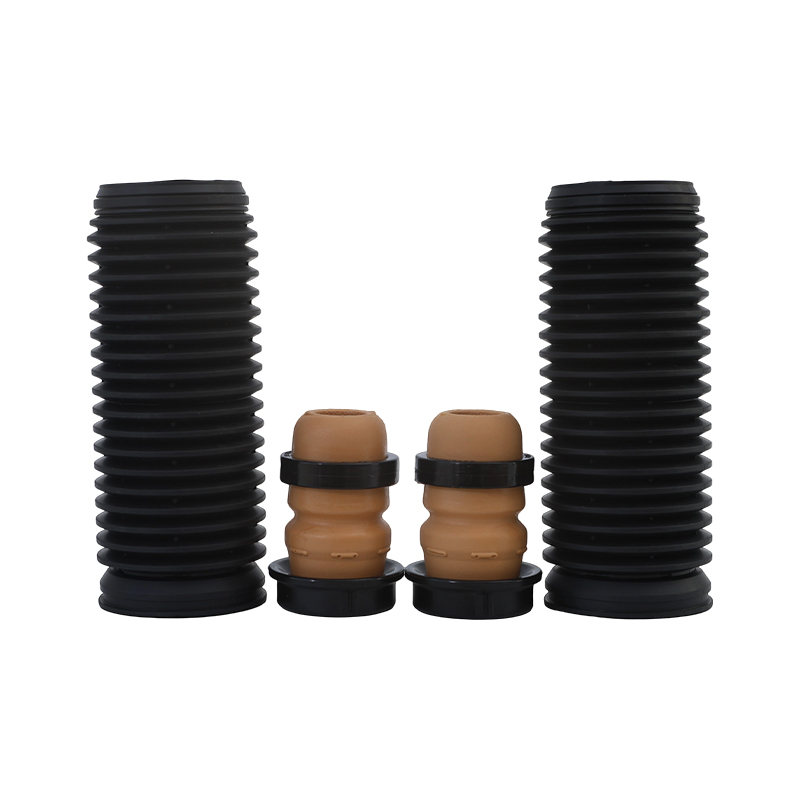
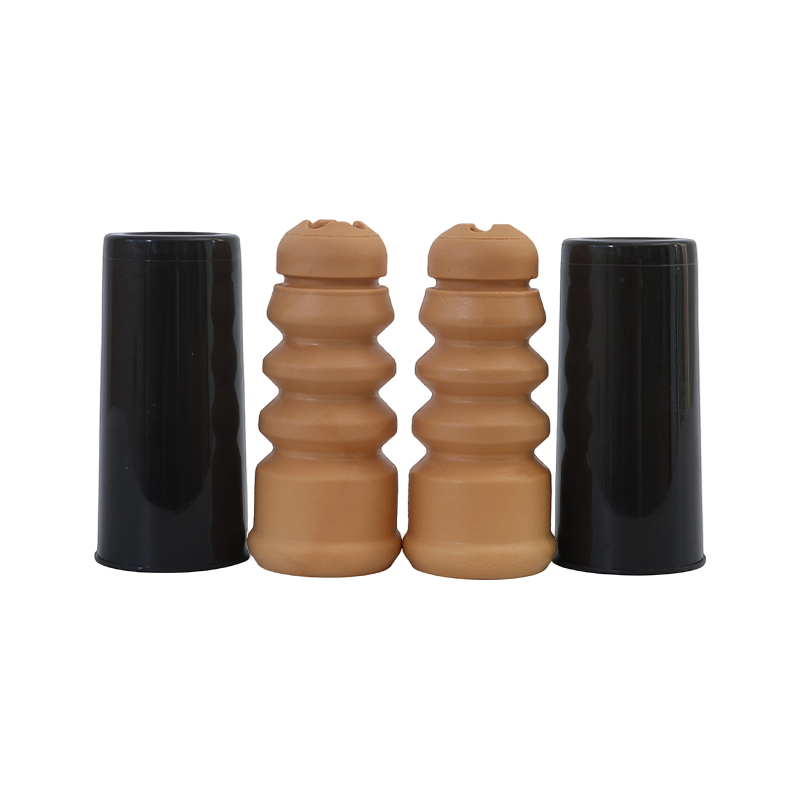
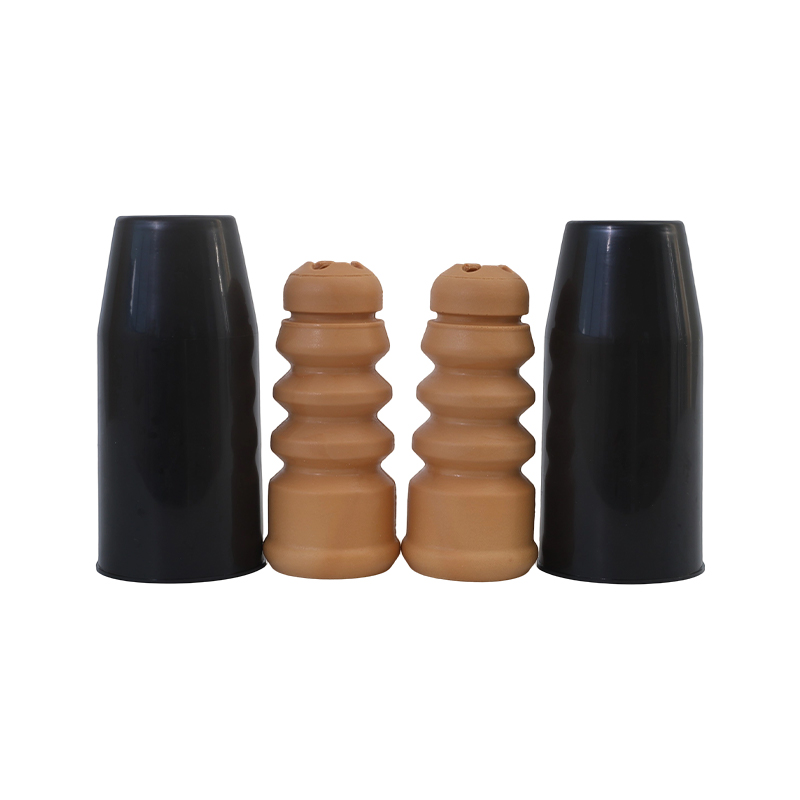
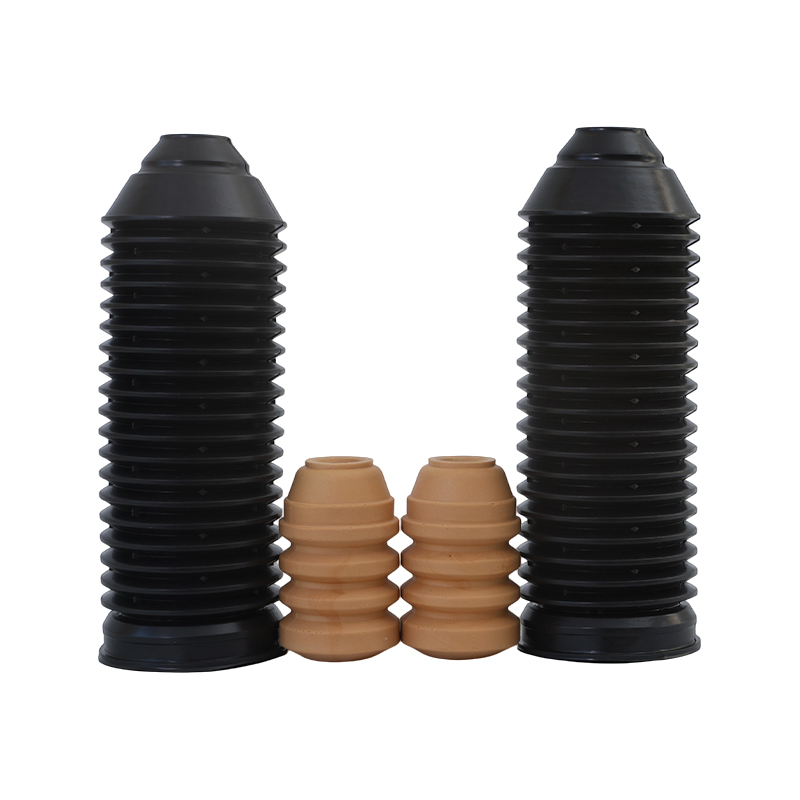
-3.jpg "Are Automotive Bump Stops Necessary? A Comprehensive Guide to Function, Types, and Replacement")
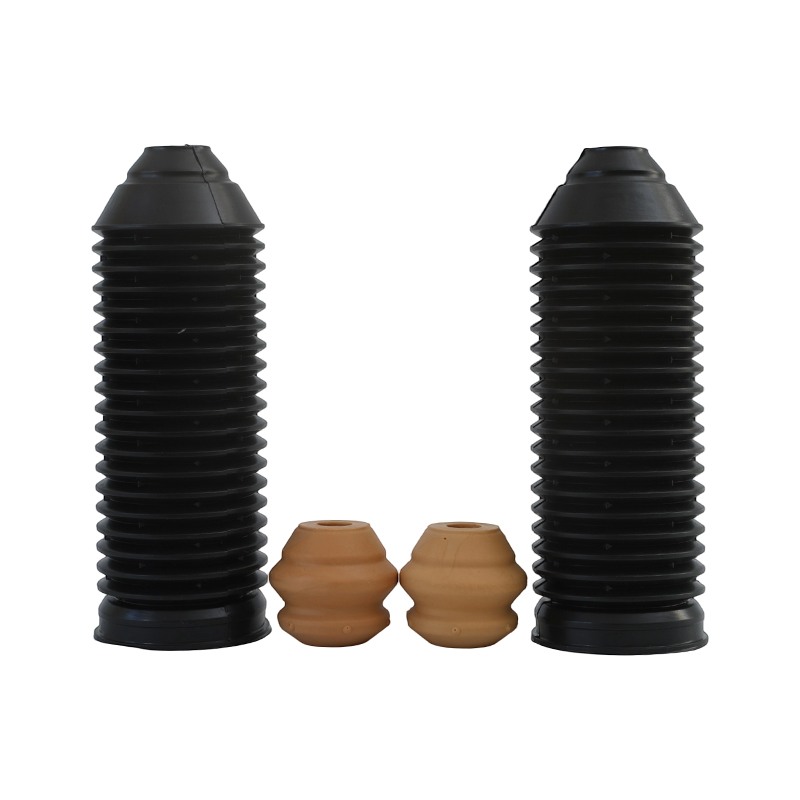
-1.jpg "What is a bump stop in a car, and what is its function in a vehicle's suspension system?")
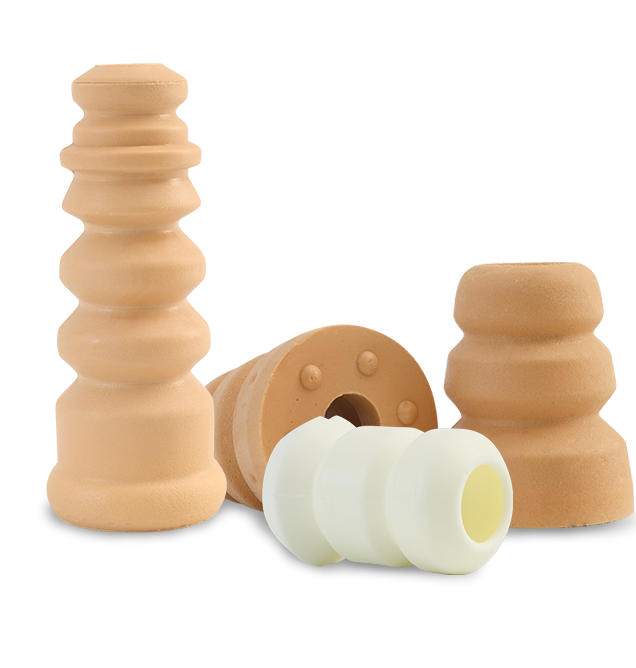
.jpg "Peugeot Shock Absorber Bump Stop: Function, Replacement, and Common Issues")



