 English
 русский
 Español
 عربى
عربى

Suspension Engineering — Explained
A bump stop and a shock absorber are not the same thing. One is a passive cushion. The other is an active damper. Understanding the difference changes how you diagnose noise, budget for repairs, and read your suspension's true condition.
Two Parts, Two Jobs
A bump stop and a shock absorber serve two completely different mechanical purposes, even though both sit inside the same suspension assembly. A bump stop is a passive cushioning block that limits how far the suspension can compress, protecting metal-on-metal contact during extreme impacts, while a shock absorber is an active hydraulic or gas-filled damping device that continuously controls the speed of spring compression and rebound during normal driving. One acts only occasionally, under severe load; the other works constantly, every time a wheel encounters a bump.
Confusing the two is common because they are physically close together — the bump stop is often mounted on or around the shock absorber's piston rod — but their engineering function, wear pattern, and failure symptoms are entirely distinct. Understanding this difference matters for diagnosing noise, choosing replacement parts, and setting realistic maintenance expectations.
What a Bump Stop Actually Does
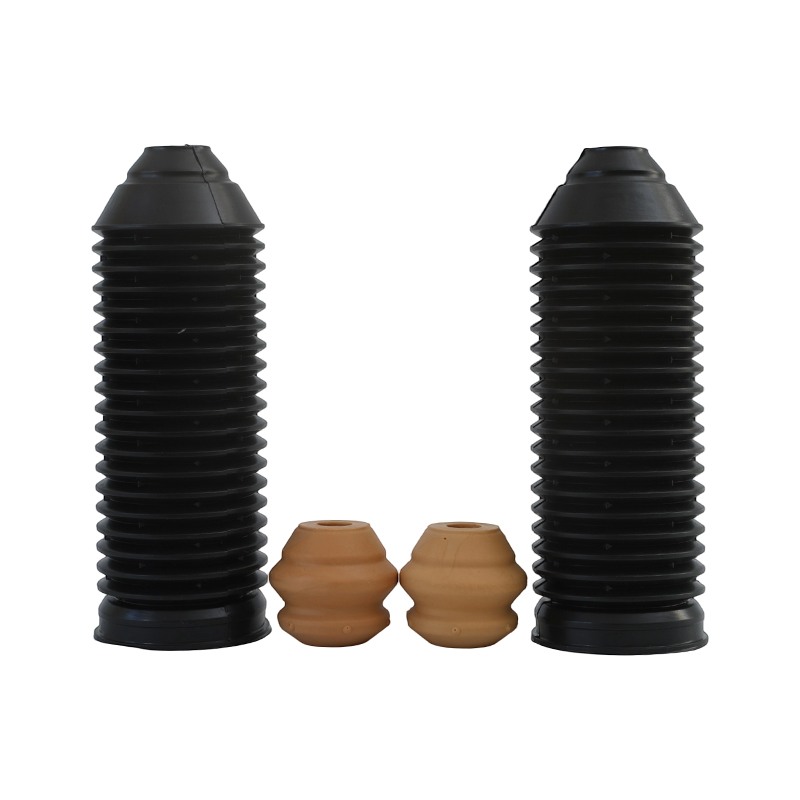
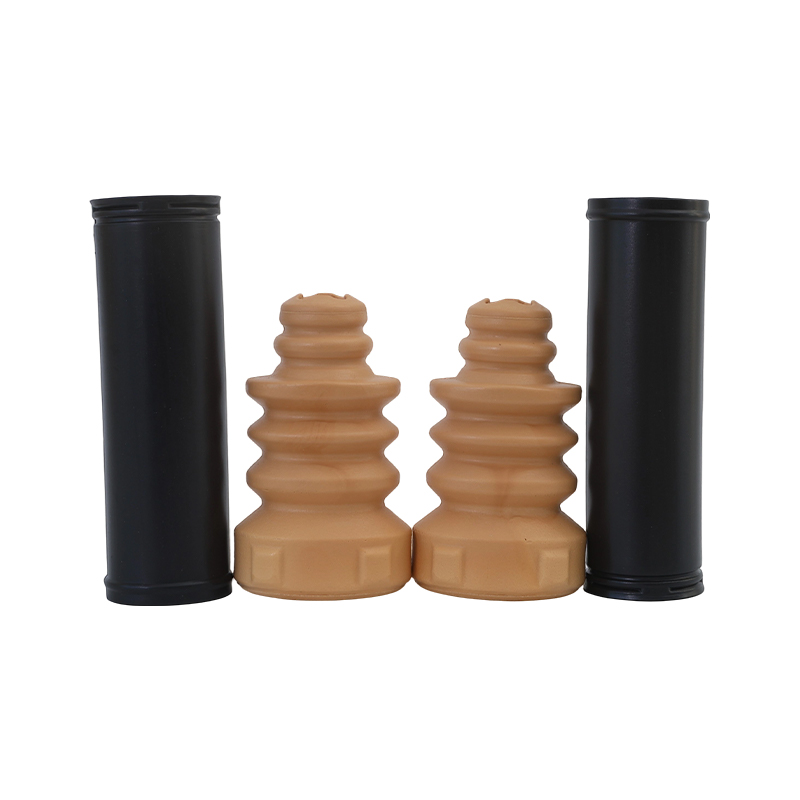
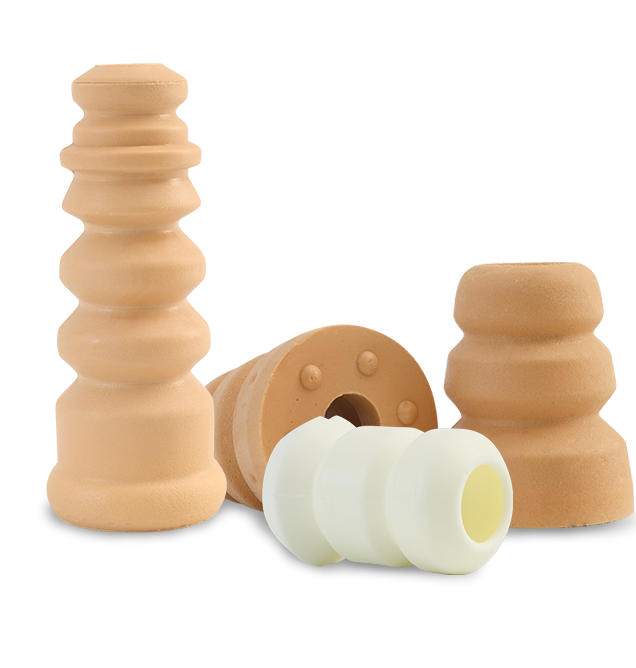
A bump stop is typically made of dense polyurethane or rubber and is positioned either around the shock absorber shaft or on the vehicle's frame near the axle. Its job is purely defensive: when the suspension compresses beyond its normal travel range — for example, when a vehicle hits a deep pothole, carries a heavy load, or lands hard after a jump — the bump stop compresses and absorbs the remaining energy before the suspension components slam into each other.
Without a functioning car bump stopper, repeated hard impacts would transfer directly into the strut mount, control arm, or even the vehicle's chassis, accelerating wear and potentially causing structural damage over time. Most manufacturers design bump stops to engage only in the final 20-30% of suspension travel, meaning under normal road conditions they remain completely inactive.
Key Characteristics of Bump Stops
- Made from progressive-rate polyurethane or microcellular foam
- Engages only during extreme compression events
- Contains no hydraulic fluid or moving internal parts
- Typically lasts the life of the vehicle unless physically damaged
- Costs significantly less to replace than a shock absorber
What a Shock Absorber Actually Does
A shock absorber, sometimes called a damper, is a sealed hydraulic (or gas-charged) cylinder that controls the rate at which the spring compresses and extends. Without it, a vehicle's spring would continue oscillating up and down long after hitting a bump, making the car feel bouncy and unstable. The shock absorber converts that kinetic energy into heat through the resistance of fluid moving through small internal valves, calming the motion within one or two cycles.
Unlike a bump stop, a shock absorber is engaged during every single suspension movement, no matter how small — which is why it wears out gradually, while a bump stop can last the life of the vehicle.
Key Characteristics of Shock Absorbers
- Sealed unit filled with hydraulic oil or pressurized gas
- Active during every suspension cycle, not just extreme events
- Directly affects ride comfort, braking distance, and tire wear
- Degrades gradually, often without an obvious single failure point
- Replacement typically recommended in pairs (both front or both rear)
Side-by-Side Comparison
The table below summarizes the functional differences in a format that makes the distinction easy to reference.
| Feature | Bump Stop | Shock Absorber |
| Primary Function | Limits maximum suspension travel | Controls spring oscillation speed |
| When It Engages | Only during extreme compression | Continuously, every bump |
| Material / Design | Solid polyurethane or foam block | Sealed hydraulic / gas cylinder |
| Typical Lifespan | 150,000+ miles | 50,000–100,000 miles |
| Failure Symptom | Loud clunk on hard bumps | Excessive bounce, longer stopping distance |
| Replacement Cost (Parts Only) | $10–$40 per unit | $50–$200 per unit |
Why They Work Together, Not Against Each Other
Rather than competing components, a bump stop and a shock absorber are designed to complement one another as part of a layered protection system. The shock absorber handles the everyday job of smoothing out road irregularities, while the bump stop acts as a last line of defense for the rare moments when suspension travel is exceeded. Engineers calculate the exact compression point at which the bump stop should engage based on the vehicle's spring rate, weight distribution, and intended use.
bump stop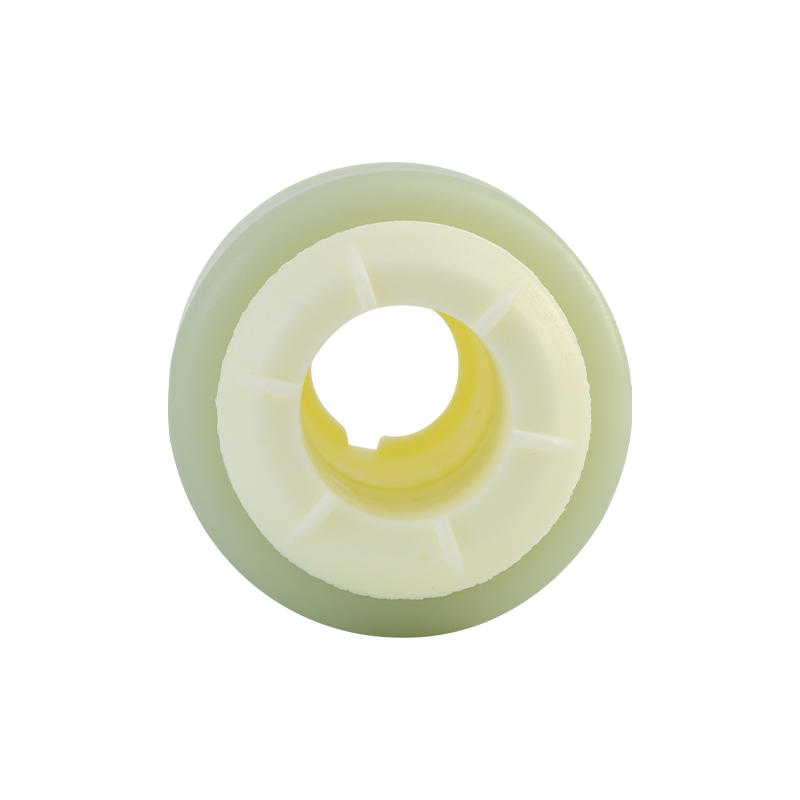
For instance, off-road and heavy-duty trucks often use progressive-rate bump stops that get firmer the more they compress, giving a soft initial cushion followed by strong resistance to prevent bottoming out. Passenger cars, by contrast, use simpler foam bump stops since their suspension travel and load variation are much smaller.
Bump stops are engineered to remain completely inactive during normal driving. If yours engages regularly on ordinary roads, that's a sign of worn springs or excess load, not a bump stop defect.
How Technicians Diagnose Which Part Has Failed
Because the symptoms of a worn bump stop and a failing shock absorber can overlap — both may produce noise or a rougher ride — professional inspection is the most reliable way to tell them apart. A technician will typically start with a visual inspection, checking the bump stop for cracking, tearing, or complete disintegration, since polyurethane degrades with age and UV exposure even without heavy use.
For the shock absorber, technicians look for visible oil leakage along the shaft, perform a bounce test, and sometimes use specialized diagnostic equipment on a test bench. Interestingly, many full-service workshops maintain a broad set of diagnostic tools beyond suspension-specific equipment — including devices like an electronic gas flow meter used during engine and emissions testing — reflecting how a single shop often handles both suspension and powertrain diagnostics under one roof. While that particular tool has nothing to do with suspension work directly, its presence in a shop's toolkit illustrates how modern vehicle diagnostics span multiple systems simultaneously, and a thorough inspection should never assume a single part is at fault without ruling out related components first.
Common Diagnostic Checklist
- Inspect bump stop for cracks, tears, or missing material
- Check shock absorber body for oil residue or leaks
- Perform bounce test on each corner of the vehicle
- Listen for clunking noises over speed bumps and potholes
- Measure tire wear pattern for signs of uneven damping
What Happens If You Ignore a Worn Bump Stop
Drivers sometimes assume that because a bump stop is a small, inexpensive part, it's not worth worrying about. In practice, a disintegrated or missing bump stop allows the suspension to travel further than it was designed to, which can lead to metal-on-metal contact between the strut mount and the vehicle frame. Over time, this creates a distinctive loud clunking noise on rough roads and can eventually damage the strut tower or mounting hardware, turning a $20 repair into a much more expensive one.
A compromised bump stop places extra strain on the shock absorber itself, since the shock now absorbs impact energy it wasn't designed to handle alone — shortening its service life.
Replacement Considerations and Practical Recommendations
Because bump stops and shock absorbers wear at different rates, replacement schedules should be handled independently rather than assumed to align. Most manufacturers recommend inspecting shock absorbers every 50,000 miles and replacing them proactively even before visible leaking occurs, since internal valve wear reduces damping performance gradually and isn't always obvious to the driver.
Bump stops, on the other hand, should be inspected any time the shock absorber or strut assembly is removed for service, since this is the easiest opportunity to check their condition. If a shock absorber is being replaced, it's generally good practice to replace the accompanying bump stop as well, particularly on vehicles older than eight years, since rubber and polyurethane components degrade with age regardless of mileage.
Quick Reference for Vehicle Owners
- Replace shocks in pairs to maintain even handling
- Inspect the bump stop whenever the shock is serviced
- Don't ignore clunking noises, even if the ride feels normal otherwise
- Choose progressive-rate bump stops for heavier loads or towing
Replacing a worn bump stop alongside a scheduled shock absorber service is a low-cost way to prevent much larger repairs down the line.
Final Takeaway
A bump stop and a shock absorber are not interchangeable terms, nor do they perform the same job. The bump stop is a passive safety cushion that only activates during extreme suspension travel, while the shock absorber is an active damping device working continuously to control ride quality. Recognizing this distinction helps drivers interpret noises correctly, budget for the right repairs, and avoid replacing the wrong component when diagnosing a suspension issue.
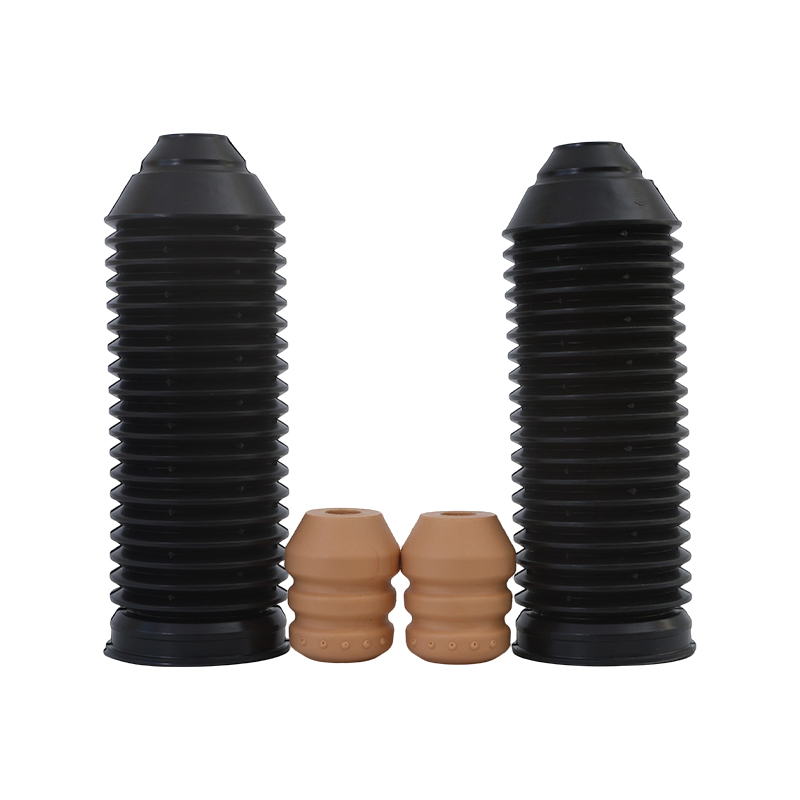
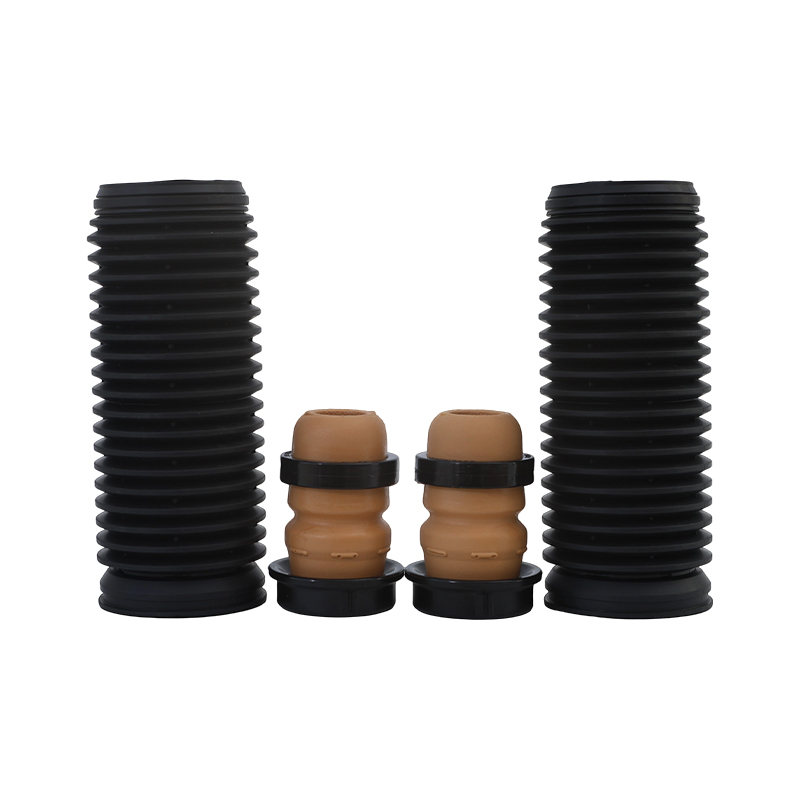
.jpg "HP022 Rear Shock Absorber Bumper for Land Rover")
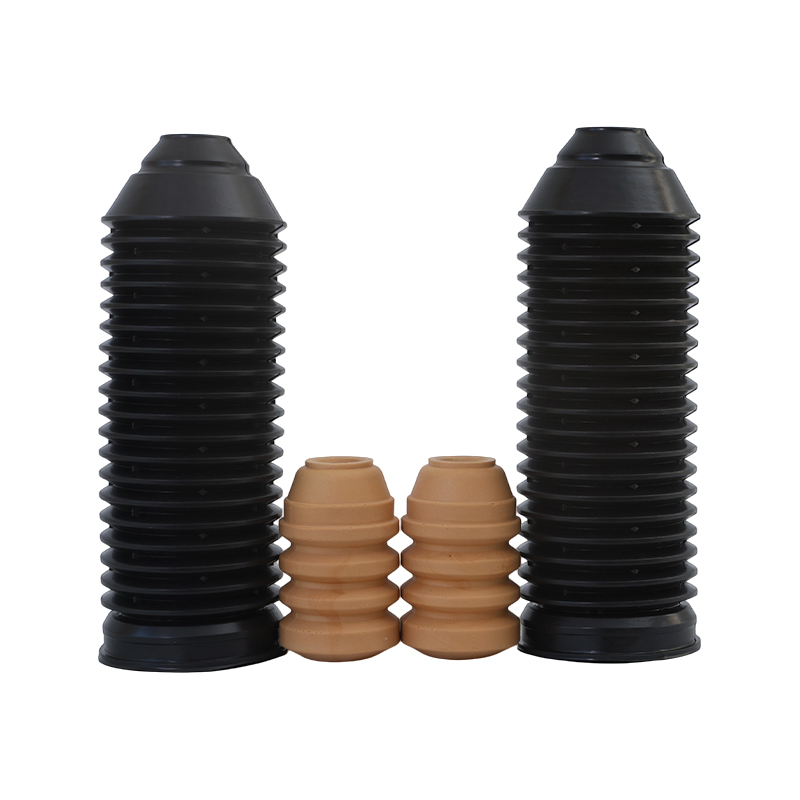
-3.jpg "Are Automotive Bump Stops Necessary? A Comprehensive Guide to Function, Types, and Replacement")
-1.jpg "What is a bump stop in a car, and what is its function in a vehicle's suspension system?")
.jpg "Peugeot Shock Absorber Bump Stop: Function, Replacement, and Common Issues")



