 English
 русский
 Español
 عربى
عربى

Physical Barrier Against Contaminants
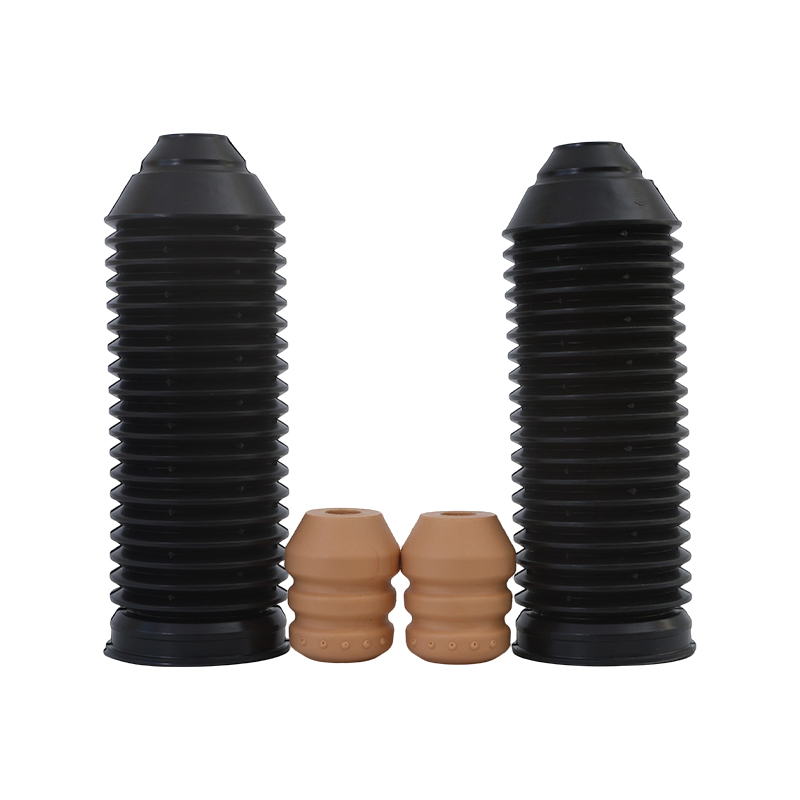
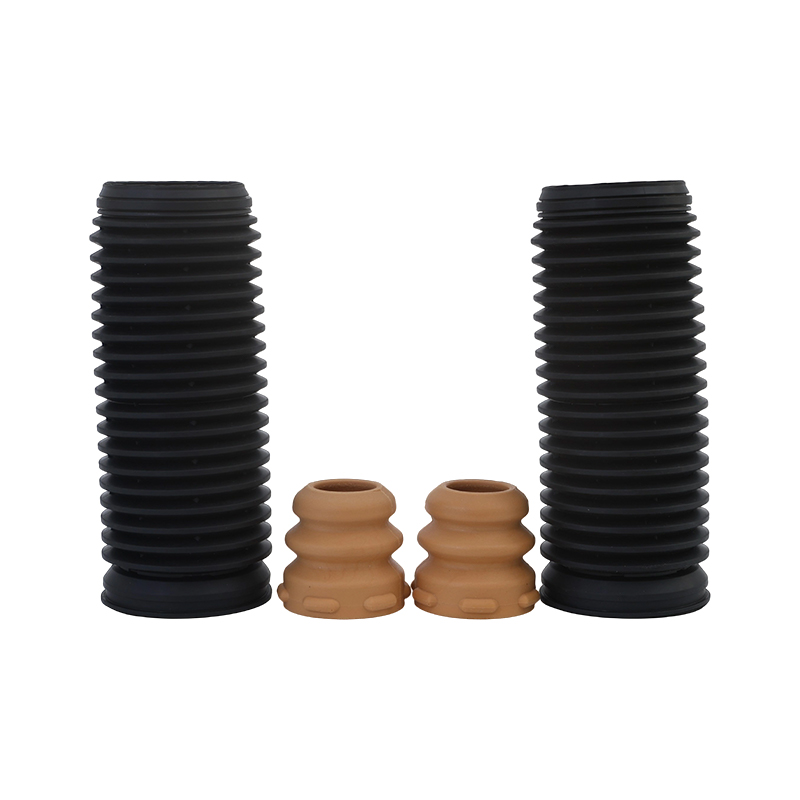
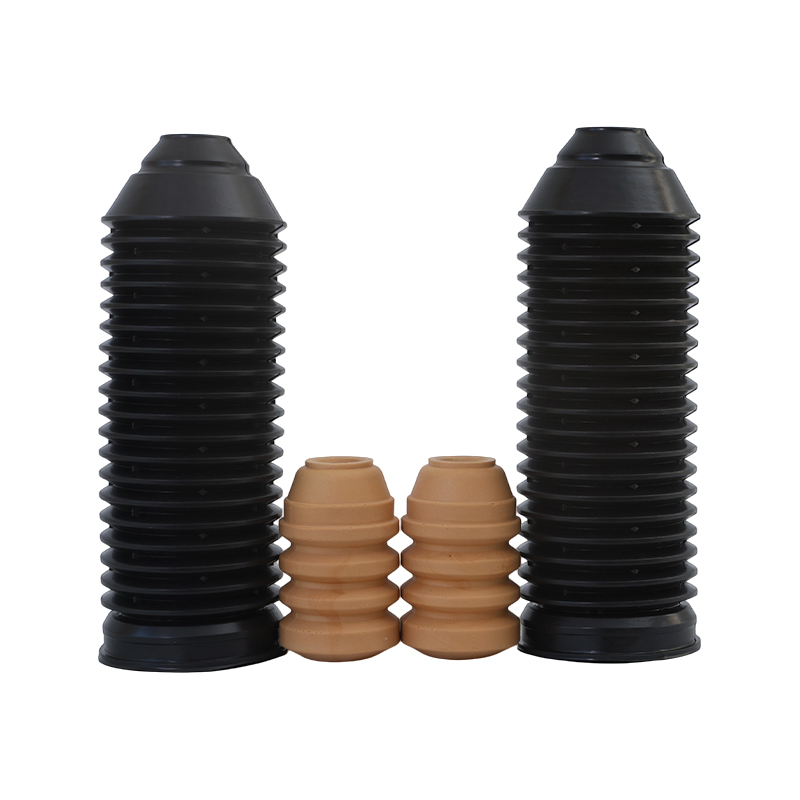
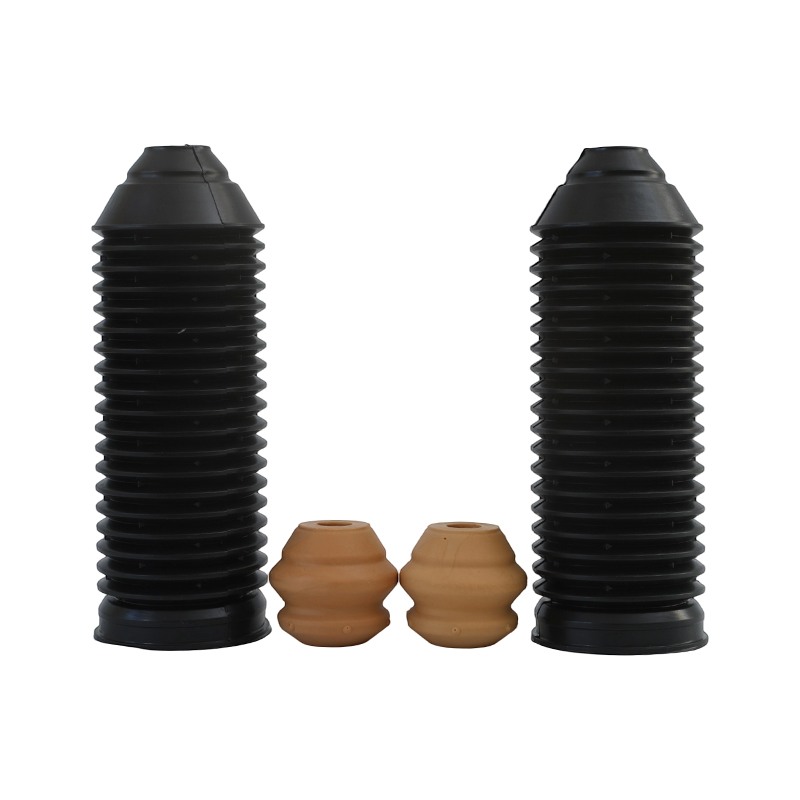
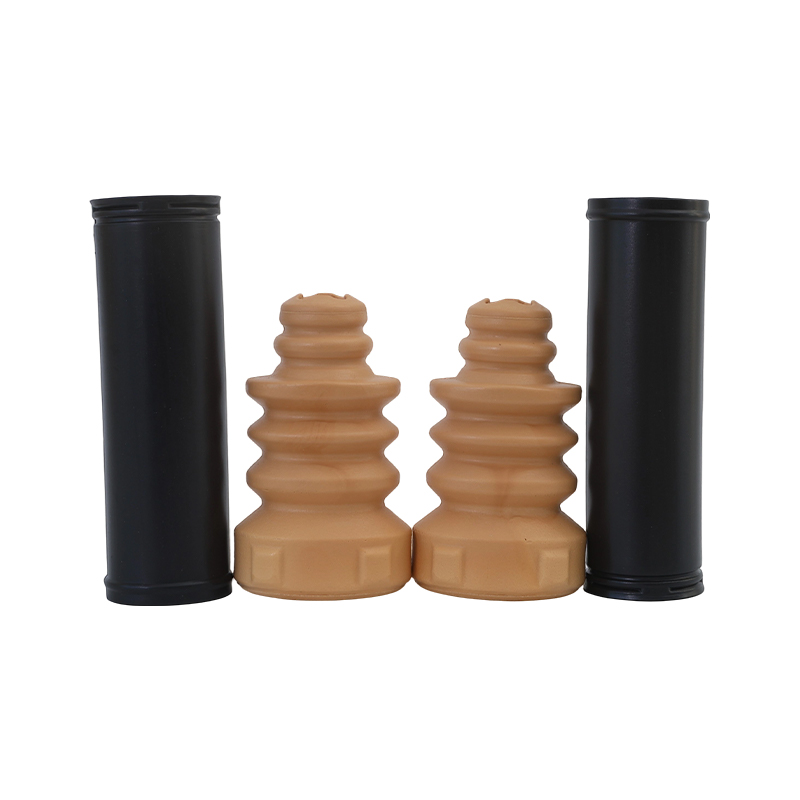
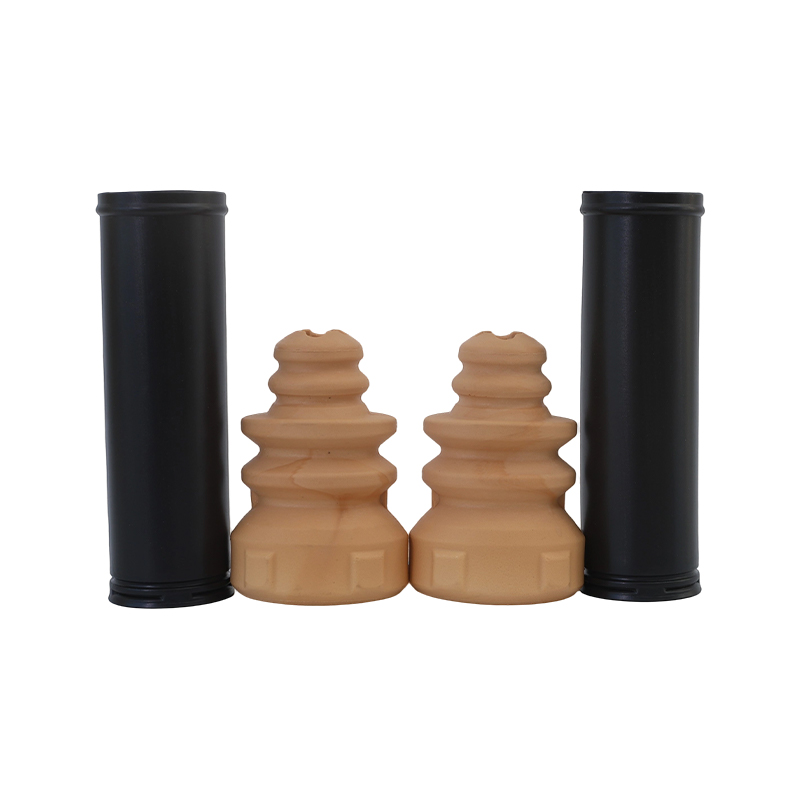
The dust cover component of the Automotive Front/Rear Bump Stop And Dust Cover serves as a primary line of defense for the shock absorber or strut, protecting it from direct contact with harmful external contaminants. Road environments expose suspension systems to dirt, dust, sand, mud, and debris, which can accumulate on the piston rod or around seals. Even small particles can scratch or abrade the surface of the rod, compromising the smooth movement of the piston and potentially causing damage to the internal seals. Over time, this wear can lead to fluid leaks, decreased damping efficiency, and ultimately premature failure of the shock or strut assembly. By fully encasing the piston rod and providing a flexible yet robust barrier, the dust cover prevents these particles from contacting critical surfaces, maintaining smooth operation, extending component life, and reducing the frequency of maintenance interventions.
Protection from Moisture and Corrosion
In addition to solid contaminants, shocks and struts are particularly susceptible to moisture, rain, and road chemicals such as de-icing salts. The presence of water and salts accelerates the corrosion of metal components, leading to pitting, rust formation, and potential weakening of the piston rod or housing. The dust cover effectively limits exposure to these environmental elements, reducing the risk of oxidation and corrosion-related damage. This is particularly critical in regions with high humidity, heavy rainfall, or winter conditions where salt usage on roads is common. By shielding the suspension components from moisture ingress, the dust cover ensures that seals remain intact, rods maintain smoothness, and the hydraulic fluid within the shock or strut is not compromised by external contamination. This protection significantly prolongs the operational lifespan of the suspension system under real-world conditions.
Absorption of Excessive Impact and Compression
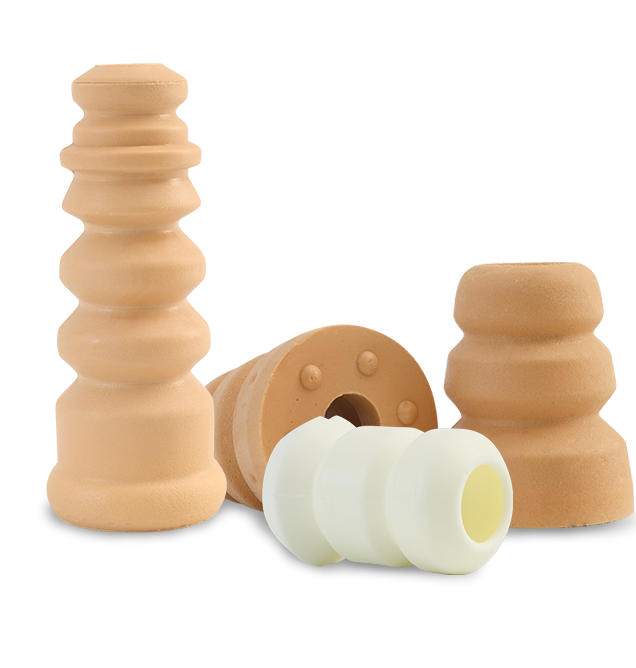
The bump stop portion of the assembly plays a crucial complementary role in protecting shocks and struts by acting as a mechanical buffer during full suspension compression. When a vehicle encounters a large bump, pothole, or experiences heavy loading, the suspension can compress to its maximum travel limit. Without a bump stop, this compression would result in direct metal-to-metal contact, causing high stress on the internal components of the shock or strut, including seals and hydraulic chambers. The bump stop absorbs the excess energy generated during these extreme events, reducing the impact force transmitted to the shock or strut, preventing mechanical deformation, and mitigating premature wear. This cushioning effect also contributes to overall ride comfort by minimizing harsh feedback from abrupt impacts, protecting both the vehicle structure and the suspension system simultaneously.
Shielding Against UV and Thermal Exposure
Environmental factors such as ultraviolet (UV) radiation from sunlight and extreme temperature variations can adversely affect suspension components. Over time, exposure to UV rays and high heat can cause polymer components, such as seals or dust covers, to harden, crack, or degrade. The materials used in the Automotive Front/Rear Bump Stop And Dust Cover—typically high-durability elastomers, thermoplastic polymers, or UV-resistant synthetic rubbers—provide protection against these effects. By shielding the piston rod and other critical surfaces from direct sunlight and heat, the assembly preserves the flexibility, elasticity, and resilience of the suspension components. This ensures that the shock or strut maintains proper damping performance even in hot climates or under intense sun exposure, preventing early material failure and ensuring consistent vehicle handling.
Summary of Protective Benefits
Collectively, the Automotive Front/Rear Bump Stop And Dust Cover provides a comprehensive, multi-layered protective system for shocks and struts. It prevents contamination from dirt, dust, and debris, limits moisture and corrosion damage, absorbs excessive impact during full suspension travel, and protects against UV radiation and thermal degradation. By combining these protective functions, the assembly maintains smooth piston movement, preserves seal integrity, and prolongs the operational lifespan of the suspension system. This ensures reliable damping performance, enhances vehicle ride comfort, and minimizes the risk of premature component failure, making it an essential component for maintaining suspension durability across a wide range of driving conditions and environmental exposures.
-3.jpg "Are Automotive Bump Stops Necessary? A Comprehensive Guide to Function, Types, and Replacement")
-1.jpg "What is a bump stop in a car, and what is its function in a vehicle's suspension system?")
.jpg "Peugeot Shock Absorber Bump Stop: Function, Replacement, and Common Issues")



