 English
 русский
 Español
 عربى
عربى
-
Progressive Compression Design and Ride Comfort: The Suspension Bump Stop is specifically engineered with a progressive compression profile, meaning that its stiffness increases gradually as the suspension approaches maximum compression. At lower compression levels, such as minor road irregularities or urban driving conditions, the bump stop allows minimal energy absorption so that the primary springs and shock absorbers handle most of the suspension work, maintaining smooth vehicle movement and preventing a harsh response. When the suspension encounters severe impacts, such as deep potholes, off-road ruts, or high-load conditions in commercial trucks, the bump stop compresses further, gradually absorbing excess energy and preventing abrupt bottoming out. This progressive behavior reduces shock transmission to the vehicle cabin, maintaining passenger comfort and protecting cargo. By carefully balancing the initial softness for comfort with increasing stiffness for extreme events, the bump stop ensures that both daily driving and high-impact conditions are managed effectively without compromising vehicle handling, safety, or ride quality.
-
Material Engineering and Vibration Damping: The materials used in the Suspension Bump Stop, commonly elastomers, high-density polyurethane, or composite polymers, are selected for their resilience, compressibility, and vibration-absorbing properties. These materials transform kinetic energy from impacts into controlled deformation rather than transmitting it directly to the suspension or chassis. High-frequency vibrations caused by rough asphalt, cobblestone streets, gravel, or industrial terrain are significantly attenuated, reducing both micro-bump oscillations and low-level shaking that can affect vehicle handling or passenger comfort. Material properties, such as durometer hardness, density gradation, and viscoelastic behavior, are optimized to balance energy absorption, rebound characteristics, and fatigue resistance. For heavy-duty applications, such as trucks and off-road vehicles, these materials prevent repetitive stress from transmitting to structural components, thereby enhancing both vibration damping and long-term suspension durability.
-
Noise Reduction Through Impact Absorption: The Suspension Bump Stop acts as an acoustic damper by controlling the rate and magnitude of suspension impacts, which directly reduces the occurrence of sharp thuds, rattles, or metallic noises generated when the suspension bottoms out. Its elastomeric construction absorbs impact energy and prevents hard contact between suspension components and the vehicle chassis, minimizing structure-borne noise. In addition, the bump stop’s geometry—such as tapered, hollow-core, or multi-stage profiles—further disperses energy while reducing resonance that can amplify undesirable noise within the cabin. This noise attenuation is critical in both passenger vehicles, where comfort is a priority, and in heavy-duty commercial or off-road vehicles, where repeated impacts could otherwise produce continuous loud shocks, affecting driver focus, fatigue, and cargo stability. The bump stop’s design ensures that operational noise is minimized without compromising the suspension’s protective function.
-
Adaptability Across Driving Environments: The Suspension Bump Stop is designed to respond dynamically across a wide range of driving conditions. On smooth urban streets or highways, minor road irregularities compress the bump stop slightly, allowing the primary suspension system to maintain control and comfort while preventing abrupt responses. On uneven off-road terrain, heavy-load commercial operations, or industrial applications, the bump stop compresses progressively under larger forces, absorbing the energy of impacts without bottoming out the suspension. This adaptability ensures consistent vibration damping, ride comfort, and noise reduction regardless of terrain or load conditions, making the bump stop suitable for vehicles that experience variable driving environments—from passenger cars in city traffic to trucks traversing rugged industrial sites.
-
Integration with Primary Suspension Components: The Suspension Bump Stop is engineered to complement the action of springs and shock absorbers, creating a secondary stage of suspension travel that protects the system at extreme compression points. By engaging only near the end of the suspension’s travel, the bump stop prevents excessive stress on the springs and dampers while absorbing remaining kinetic energy. This integration reduces resonance within the suspension system, prevents rapid oscillations, and ensures smoother transitions between normal travel and extreme impact absorption. Properly tuned bump stops maintain predictable suspension behavior, enhance handling stability, and protect both the vehicle and passengers from harsh shocks. In commercial trucks and off-road vehicles, this synergy allows the suspension to accommodate both light and heavy loads without compromising control or safety.
How does the design of the Suspension Bump Stop affect ride comfort, vibration damping, and noise reduction in different driving environments?
NEXT:How does the Rear Shock Absorber Bump Stop interact with the shock absorber and coil spring to prevent bottoming out during suspension compression?
-
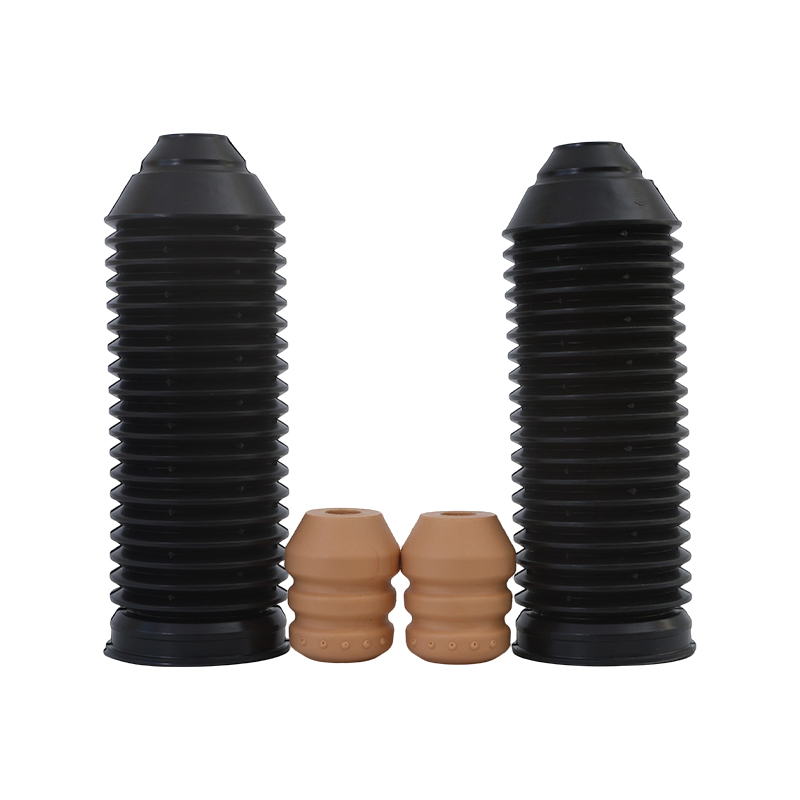
The ZT033 front bump stop and dust cover kit is manufactured as a direct replacement solution, referencing OE numbers 1S0412303 + 357413175A. It is designed for application on the left and right sides...
See Details -
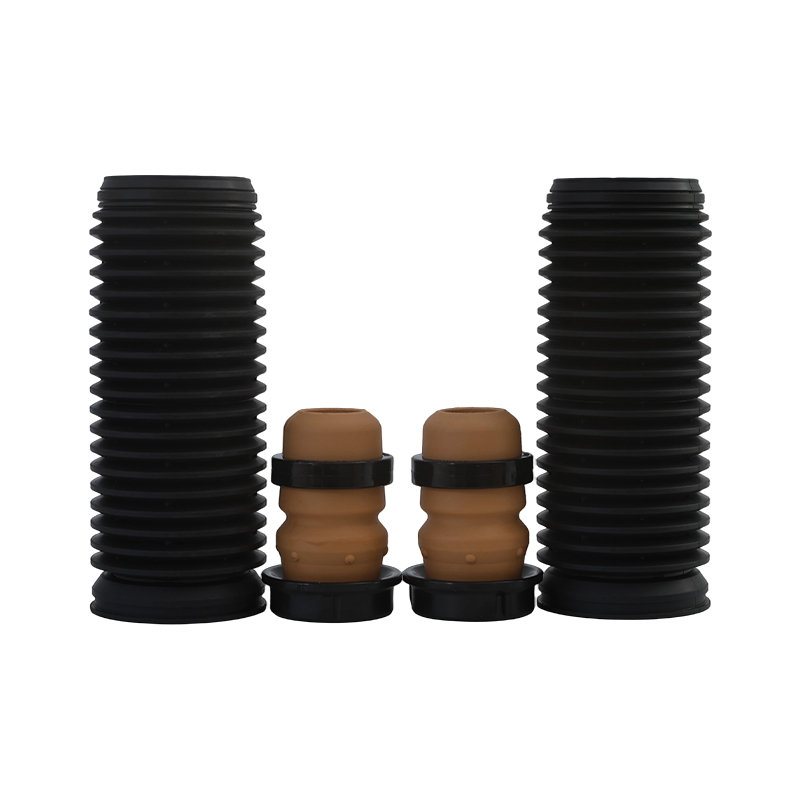
This Front Bump Stop and Dust Cover Kit corresponds to OE numbers 1K0412303H and 6N0413175A. Designed to fit a wide range of vehicles across multiple brands, the kit offers reliable performance and pr...
See Details -
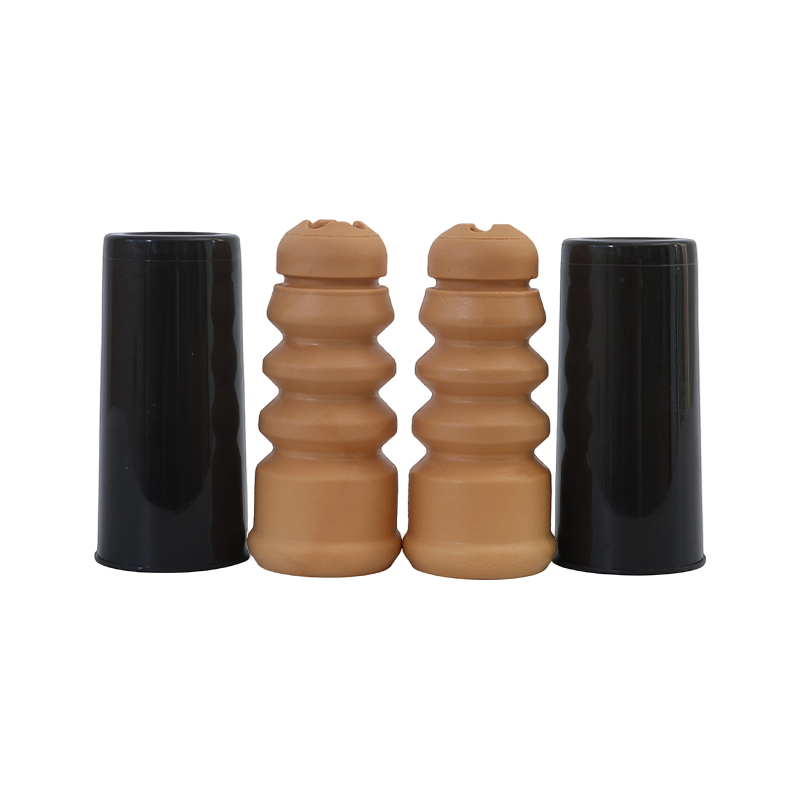
The ZT016 rear bump stop and dust cover kit is manufactured as a replacement for parts specified under OE numbers 3B0512131H and 893512137. It is designed to support the proper function of the rear su...
See Details -
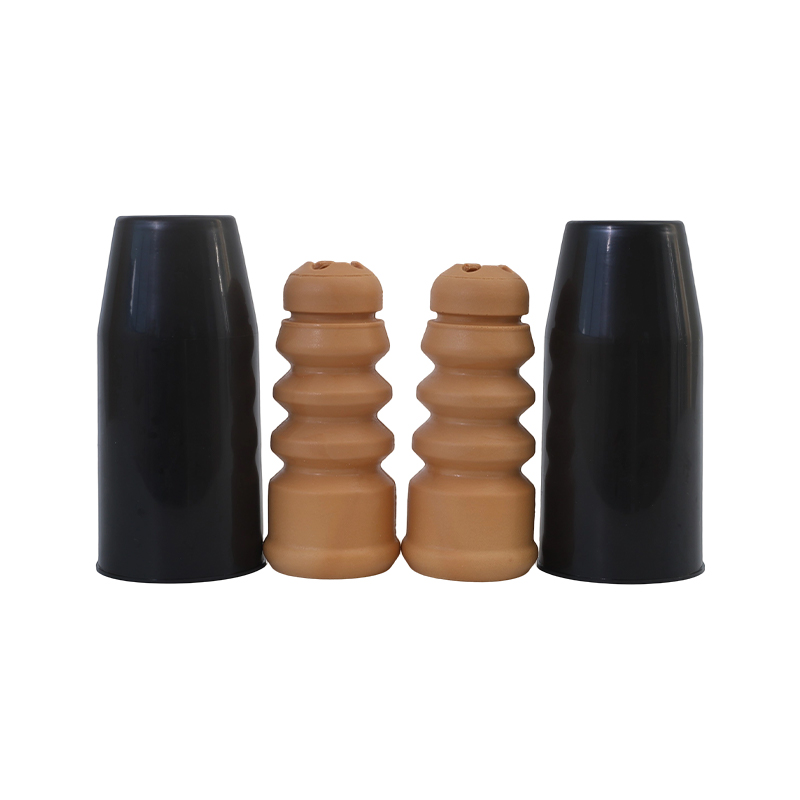
This rear bump stop and dust cover kit corresponds to OE numbers 3B0512131H+4B0512137B. It is designed to meet the fitment requirements for specific Audi and Volkswagen models, ensuring proper install...
See Details -
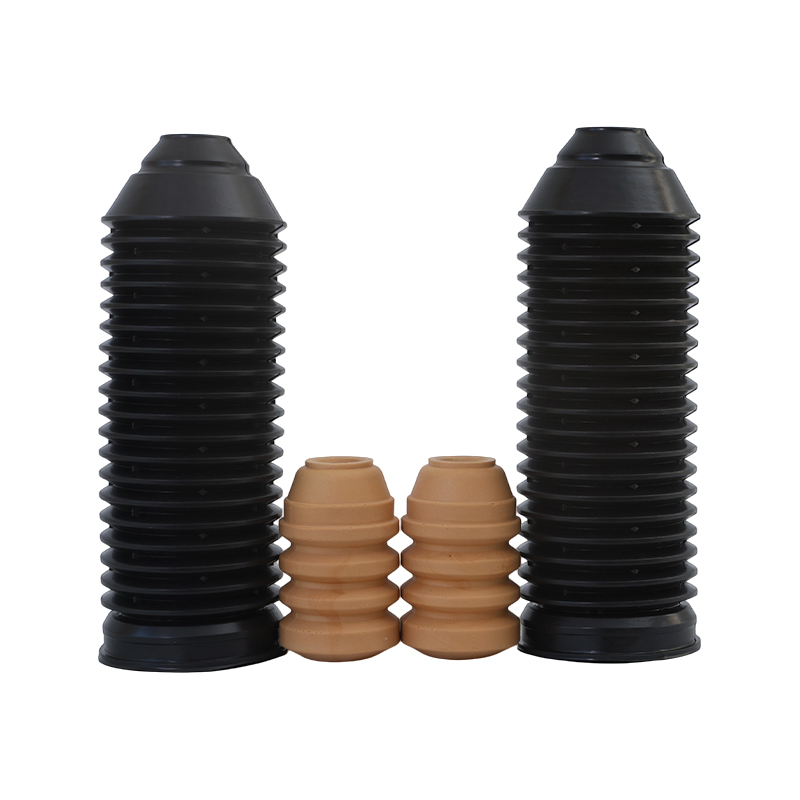
The ZT014 Front Bump Stop and Dust Cover Kit is designed for compatibility with a wide range of vehicles, offering reliable protection and performance for front suspension systems. This kit correspond...
See Details -
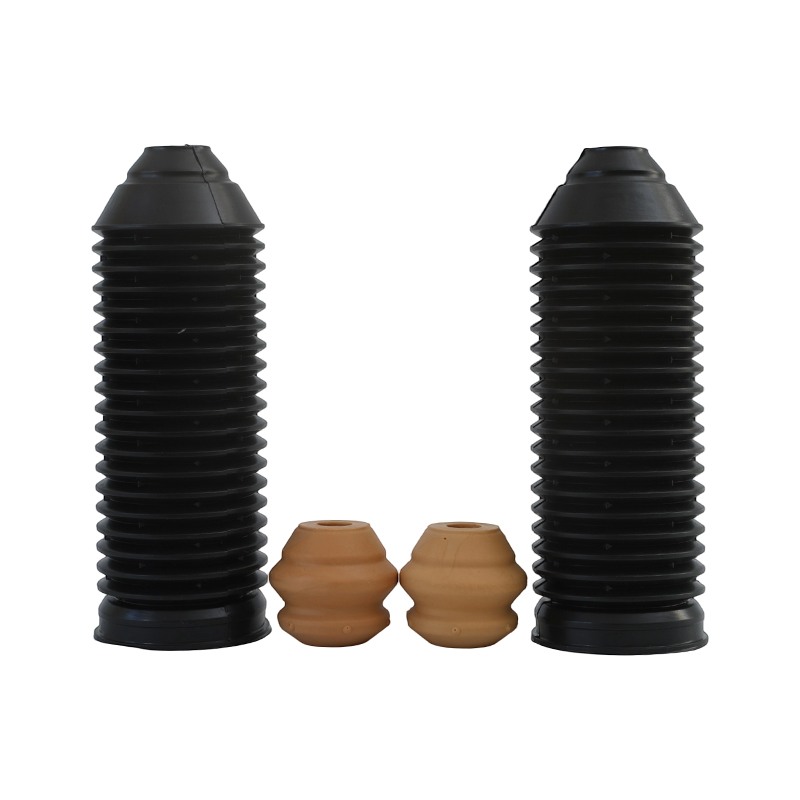
The ZT013 Front Bump Stop and Dust Cover Kit is designed for compatibility with OE numbers 1S0412303A and 357413175A. This kit includes components essential for the maintenance and protection of the f...
See Details
-
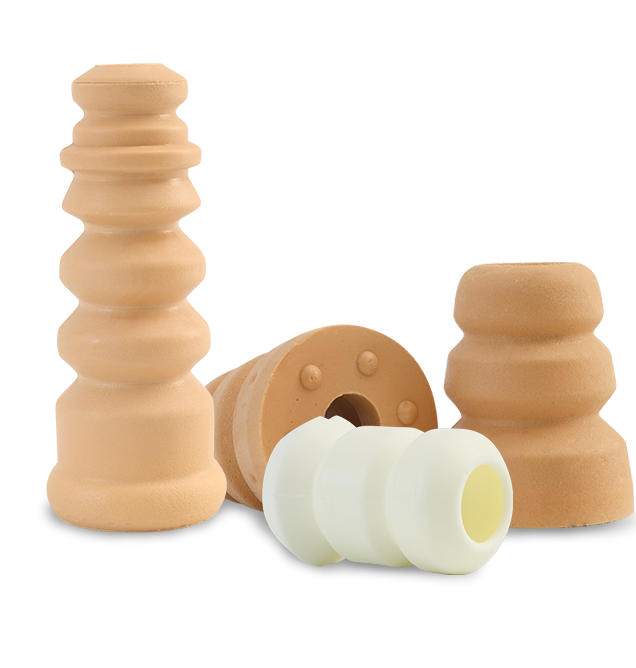
Introduction to Bump Stops When it comes to maintaining your American car's shock absorber bump stops, certain components are easy to overlook. While shock absorbers and struts oft...
See Details -
-3.jpg "Are Automotive Bump Stops Necessary? A Comprehensive Guide to Function, Types, and Replacement")
1. Introduction to Automotive Bump Stops: Basic Concepts and Importance What are Automotive Bump Stops? Automotive Bump Stops are buffering components installed in a car's suspensi...
See Details -
-1.jpg "What is a bump stop in a car, and what is its function in a vehicle's suspension system?")
What is a Bump Stop? A bump stop, also known as a “limiting damper,” is an essential component in a vehicle’s suspension system. While often overlooked, the bump stop plays a criti...
See Details -
.jpg "Peugeot Shock Absorber Bump Stop: Function, Replacement, and Common Issues")
Introduction to Peugeot Shock Absorber Bump Stops What is a Shock Absorber Bump Stop? Definition and function The Peugeot shock absorber bump stop, often referred to as a jounce bu...
See Details

 Add: Wuyi Industrial Park, Donggang Town, Wuxi, Jiangsu, China.
-
 +86-510-88350093
-
 [email protected]
-
 +86-510-88766081
Copyright © 2025 Wuxi Huipu Auto Parts Co., Ltd. All Rights Reserved.
 Wholesale Bump Stops For Shocks Manufacturers
