 English
 русский
 Español
 عربى
عربى
-
Primary Function and Purpose of the Rear Shock Absorber Bump Stop — The Rear Shock Absorber Bump Stop is a critical suspension component designed to serve as a mechanical limit for the rear suspension system’s travel. While the shock absorber and coil spring manage the majority of vertical wheel motion under normal driving conditions, extreme impacts—such as potholes, speed bumps, off-road obstacles, or heavy cargo loads—can cause the suspension to compress beyond its designed operational range. In these scenarios, the bump stop functions as a protective buffer that absorbs residual energy and prevents metal-to-metal contact between the shock absorber, vehicle chassis, and mounting brackets. This not only safeguards the structural integrity of the suspension system but also preserves ride quality, prevents premature wear of suspension components, and reduces the likelihood of catastrophic failure under heavy loads or severe driving conditions.
-
Interaction with the Shock Absorber — The shock absorber, typically a hydraulic or gas-filled damper, controls the rate of compression and rebound in the suspension. When the suspension reaches its maximum compression—commonly referred to as “full bump” or “bottoming out”—the shock absorber alone may not fully dissipate the kinetic energy of the impact. At this stage, the Rear Shock Absorber Bump Stop comes into play, contacting the shock rod, piston, or internal end cap. Designed to compress progressively under load, the bump stop absorbs energy that exceeds the shock absorber’s damping capacity. By providing a controlled cushion at the extreme end of the shock stroke, the bump stop reduces the magnitude of forces transmitted to the shock housing, mounting points, and adjacent components, mitigating damage and extending the lifespan of the suspension assembly. This interaction ensures that even under sudden, high-energy impacts, the shock absorber remains functional and the suspension system continues to operate safely.
-
Interaction with the Coil Spring — The coil spring provides the primary elastic force for supporting the vehicle’s weight, maintaining ride height, and absorbing moderate impacts. During severe compression events, the spring may approach its solid height—its maximum compression—beyond which the spring itself cannot absorb additional energy without permanent deformation. The Rear Shock Absorber Bump Stop complements the coil spring by acting as a secondary absorber. Its high-density rubber or polyurethane construction allows it to compress gradually, taking on a portion of the load that exceeds the elastic limit of the spring. This combined action prevents sudden bottoming out, maintains suspension geometry, and ensures a smoother transfer of forces to the chassis. Essentially, the bump stop extends the effective travel range of the suspension in a controlled and progressive manner, protecting both the coil spring and vehicle structure from excessive loads.
-
Progressive Energy Absorption and Load Management — High-performance bump stops are designed with a progressive compression profile, meaning that their resistance increases with deeper compression. At the initial stages of contact, the bump stop provides a softer cushion to absorb minor over-travel and reduce harsh feedback. As compression continues, the material stiffens, absorbing larger forces while preventing direct metal-to-metal contact. This progressive behavior works synergistically with the shock absorber’s damping characteristics and the coil spring’s elasticity, ensuring that suspension gradually dissipates energy rather than transferring it abruptly to the chassis. Progressive energy absorption is particularly important in vehicles subjected to off-road driving, towing, or heavy payloads, where large vertical forces can occur repeatedly and unpredictably.
How does the Rear Shock Absorber Bump Stop interact with the shock absorber and coil spring to prevent bottoming out during suspension compression?
-
.jpg "HP005 Rear Shock Absorber Bump Stop for Ford")
Compatible with Ford Transit Courier models from 2014 to 2023 and Ford B-MAX models from 2012 to 2016, HP005 Rear Shock Absorber Bump Stop is designed to fit the rear suspension system. It serves as a...
See Details -
.jpg "HP001 Front Shock Absorber Bump Stop for Chevrolet")
HP001 Front Shock Absorber Bump Stop is a polyurethane (PU) component designed to provide a cushioning effect for the front suspension system of compatible Chevrolet vehicles. The block measures φ57.5...
See Details -
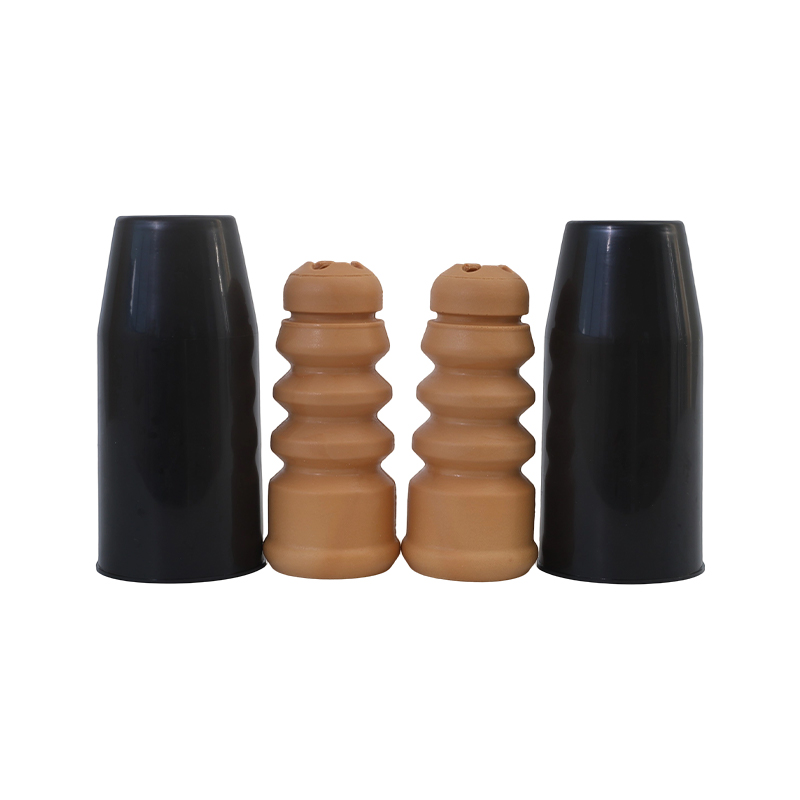
This rear bump stop and dust cover kit corresponds to OE numbers 3B0512131H+4B0512137B. It is designed to meet the fitment requirements for specific Audi and Volkswagen models, ensuring proper install...
See Details -
.jpg "HP022 Rear Shock Absorber Bumper for Land Rover")
HP022 Rear Shock Absorber Bumper is designed to fit Land Rover Range Rover Evoque models from 2011 to 2018. It serves as a direct replacement part, ensuring compatibility with original equipment stand...
See Details -
.jpg "HP024 Rear Shock Absorber Stop Buffer for Peugeot")
HP024 Rear Shock Absorber Stop Buffer is designed specifically for Peugeot 308 models produced between 2013 and 2021. This component provides an effective solution for shock absorption, helping to mai...
See Details -
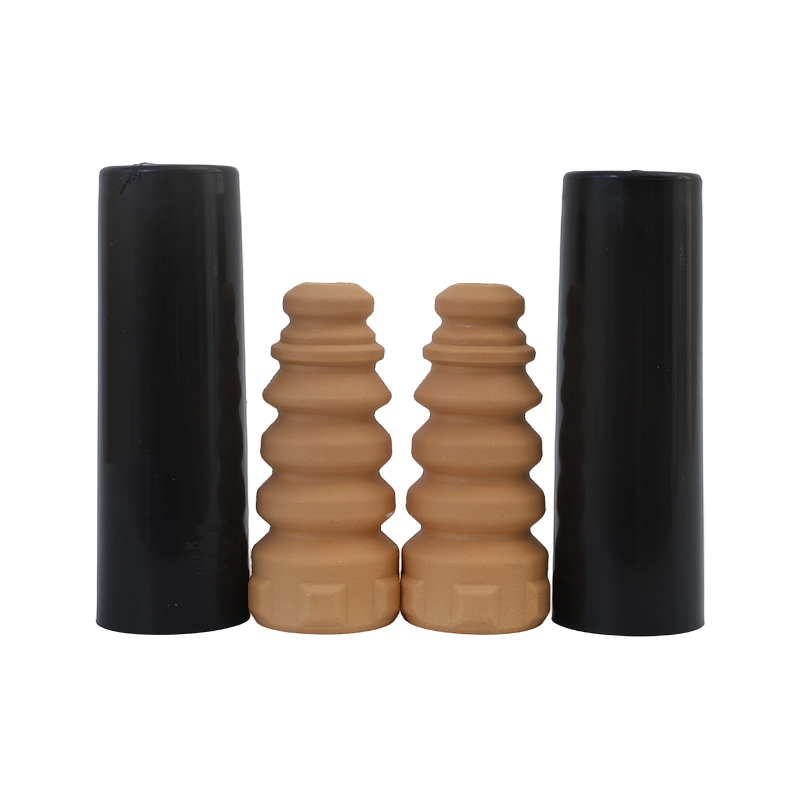
This ZT018 rear bump stop and dust cover kit is designed with reference to OE numbers 3C0511359 and 3C0513425. It includes components for both the left and right sides of the rear suspension system, e...
See Details
-
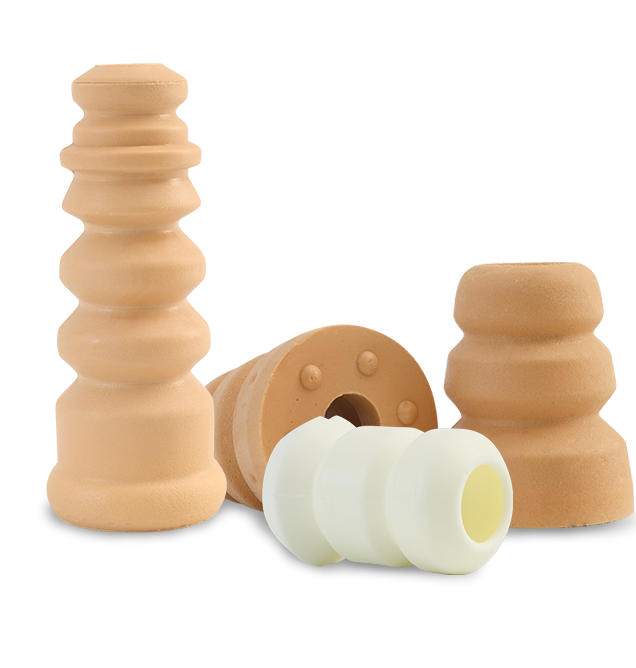
Introduction to Bump Stops When it comes to maintaining your American car's shock absorber bump stops, certain components are easy to overlook. While shock absorbers and struts oft...
See Details -
-3.jpg "Are Automotive Bump Stops Necessary? A Comprehensive Guide to Function, Types, and Replacement")
1. Introduction to Automotive Bump Stops: Basic Concepts and Importance What are Automotive Bump Stops? Automotive Bump Stops are buffering components installed in a car's suspensi...
See Details -
-1.jpg "What is a bump stop in a car, and what is its function in a vehicle's suspension system?")
What is a Bump Stop? A bump stop, also known as a “limiting damper,” is an essential component in a vehicle’s suspension system. While often overlooked, the bump stop plays a criti...
See Details -
.jpg "Peugeot Shock Absorber Bump Stop: Function, Replacement, and Common Issues")
Introduction to Peugeot Shock Absorber Bump Stops What is a Shock Absorber Bump Stop? Definition and function The Peugeot shock absorber bump stop, often referred to as a jounce bu...
See Details

 Add: Wuyi Industrial Park, Donggang Town, Wuxi, Jiangsu, China.
-
 +86-510-88350093
-
 [email protected]
-
 +86-510-88766081
Copyright © 2025 Wuxi Huipu Auto Parts Co., Ltd. All Rights Reserved.
 Wholesale Bump Stops For Shocks Manufacturers
