 English
 русский
 Español
 عربى
عربى

Temperature Significantly Influences Suspension Bump Stop Performance
In practical terms, temperature variations can alter the elasticity, compression behavior, and lifespan of a Suspension Bump Stop. Cold temperatures can make the bump stop stiffer and less compressible, reducing its ability to absorb shocks, while high temperatures can soften the material, causing premature wear and potential suspension damage. Ensuring proper material selection and periodic inspection is critical to maintaining optimal performance.
Material Response to Temperature Changes
Most Suspension Bump Stops are made from rubber, polyurethane, or composite elastomers. Each material responds differently to thermal variation:
- Rubber: Becomes stiffer at temperatures below 0°C and may crack if repeatedly compressed in freezing conditions.
- Polyurethane: Exhibits better temperature tolerance but softens above 60°C, potentially reducing rebound control.
- Composite elastomers: Designed for a wider temperature range (-40°C to 80°C) and maintain performance with minimal deformation under stress.
Selecting the appropriate material based on the operating climate is crucial for long-term reliability.
Impact on Compression and Ride Comfort
Temperature changes directly affect the compression characteristics of a Suspension Bump Stop:
- In cold weather, the bump stop stiffens, which can limit suspension travel and transmit more vibration to the vehicle chassis.
- In hot weather, the bump stop softens, leading to increased compression under heavy loads, which may cause the suspension to bottom out more easily.
- Frequent temperature cycling can cause micro-cracking in rubber bump stops, reducing shock absorption efficiency over time.
Real-world testing shows that rubber bump stops can lose up to 20% of their stiffness at temperatures above 70°C, significantly affecting ride quality.
Influence on Vehicle Handling and Safety
A Suspension Bump Stop that is too stiff or too soft can impact vehicle handling:
- Cold conditions: Reduced absorption can increase chassis vibration, compromise wheel contact, and slightly increase stopping distances.
- Hot conditions: Excessive compression can reduce suspension stability during cornering, potentially leading to oversteer or bottoming out on potholes.
Understanding these effects helps drivers anticipate changes in handling during extreme weather conditions.
Recommended Temperature Ranges for Different Materials
To ensure optimal performance, follow these material-specific guidelines:
| Material | Optimal Temperature Range | Performance Notes |
|---|---|---|
| Rubber | -20°C to 50°C | Stiffens below freezing; may crack with repeated extreme cold. |
| Polyurethane | -40°C to 60°C | Maintains elasticity better; softens at high temperatures. |
| Composite Elastomer | -40°C to 80°C | Designed for extreme climates; minimal performance change. |
Maintenance Tips to Mitigate Temperature Effects
Regular inspection and proper maintenance can reduce the impact of temperature fluctuations:
- Inspect bump stops for cracks, hardening, or deformation at least twice a year, especially before winter and summer seasons.
- Use protective coatings or heat shields if the bump stops are exposed to high engine or brake heat.
- Consider upgrading to polyurethane or composite bump stops in regions with extreme temperature swings.
- Avoid storing vehicles for extended periods in extreme cold or heat to minimize material degradation.
Final Considerations
Temperature variation is a critical factor in Suspension Bump Stop performance. Cold makes bump stops stiffer, reducing shock absorption, while heat softens the material, potentially causing premature wear and reduced handling stability. By understanding material properties, monitoring for wear, and selecting suitable bump stops for your climate, you can maintain optimal suspension performance, safety, and comfort throughout the year.
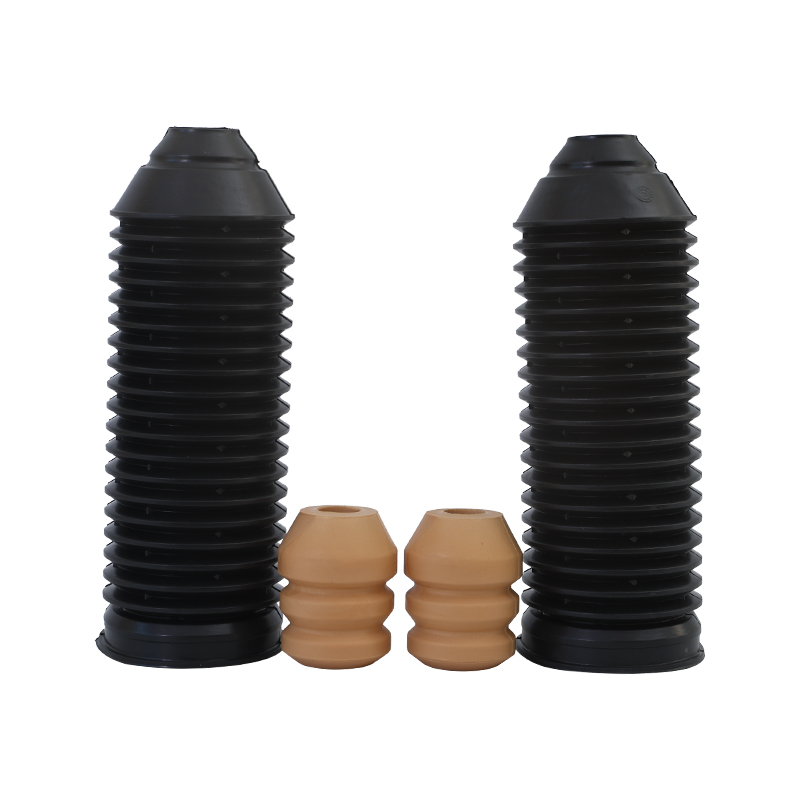
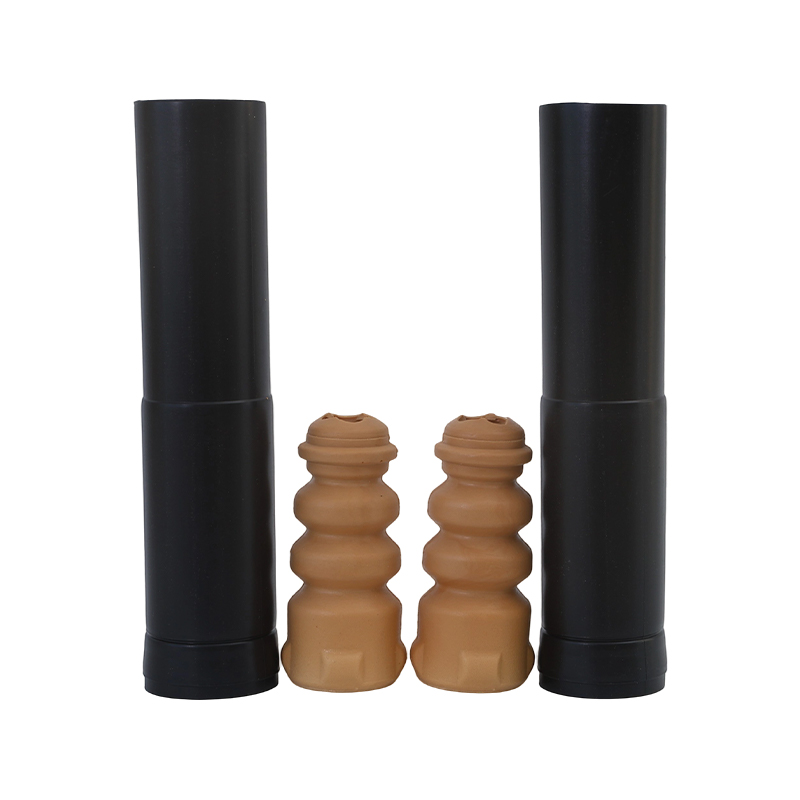
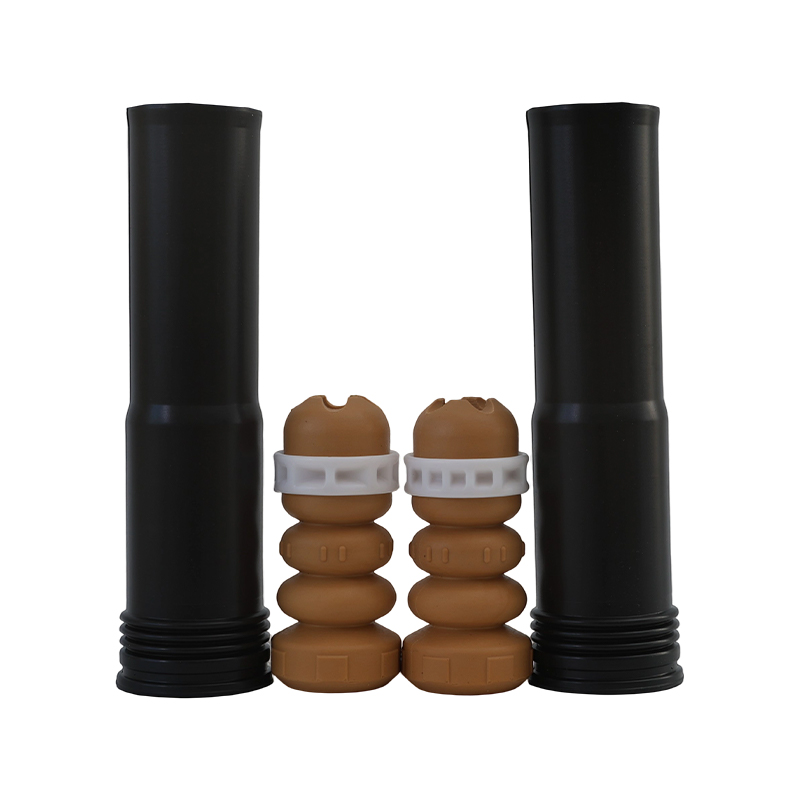
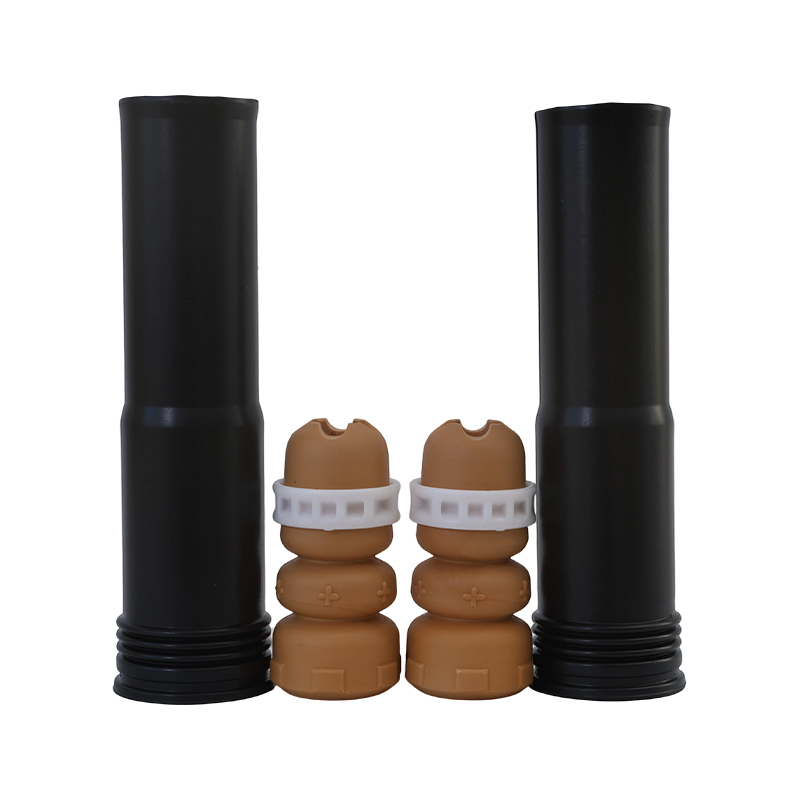
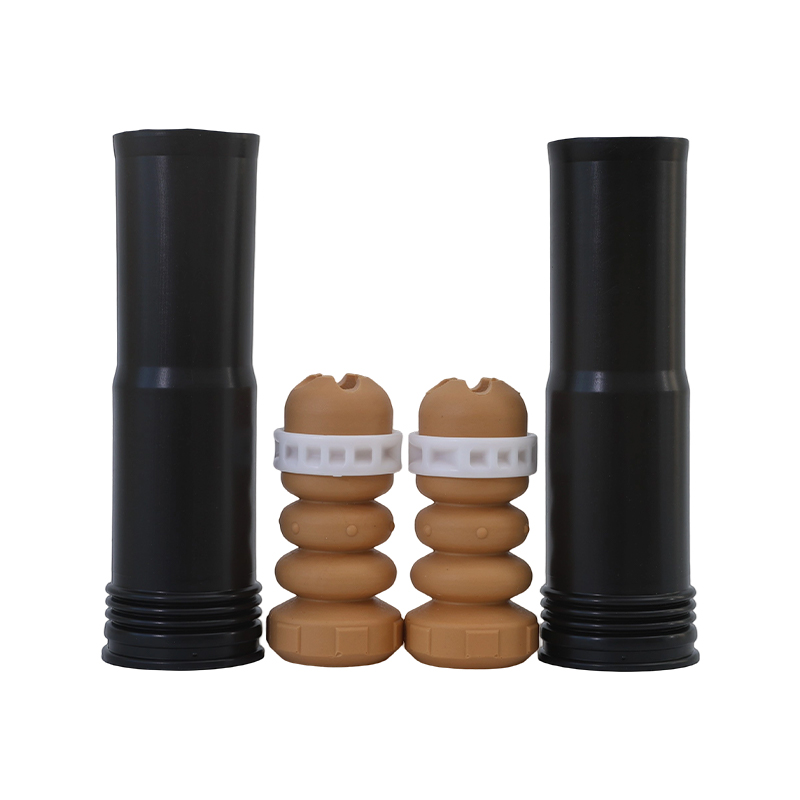
.jpg "HP017 Rear Suspension Bump Stop for Volkswagen")
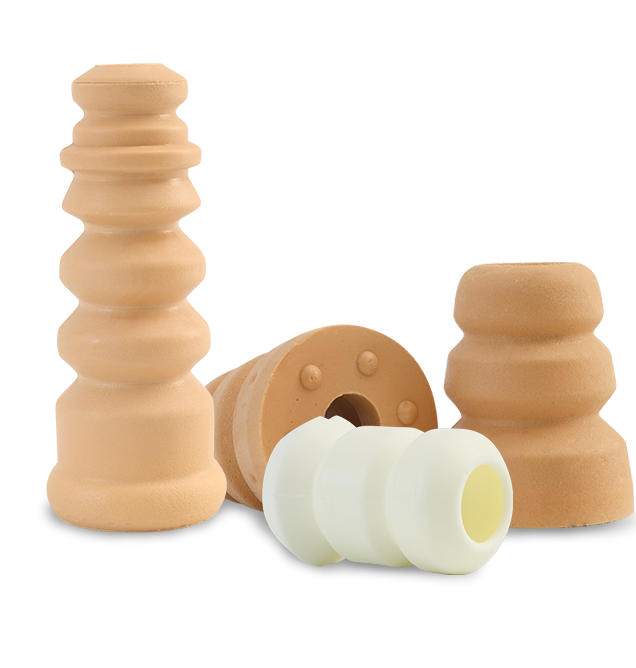
-3.jpg "Are Automotive Bump Stops Necessary? A Comprehensive Guide to Function, Types, and Replacement")
-1.jpg "What is a bump stop in a car, and what is its function in a vehicle's suspension system?")
.jpg "Peugeot Shock Absorber Bump Stop: Function, Replacement, and Common Issues")



