 English
 русский
 Español
 عربى
عربى

Immediate Impact of Temperature Extremes on Suspension Bump Stops
Suspension bump stops are designed to prevent excessive compression of a vehicle's suspension system. Temperature extremes can significantly alter their performance. In high heat conditions, the rubber or polyurethane material of bump stops can soften, reducing their ability to absorb shocks. Conversely, in extreme cold, these materials can become brittle, increasing the risk of cracking or premature failure. Users can observe reduced ride comfort, increased suspension noise, and potential damage to shocks or struts if bump stops are compromised.
Material Behavior in High-Temperature Environments
High temperatures affect the elasticity and durability of bump stop materials. Rubber-based bump stops can experience a 10 to 15 percent reduction in stiffness at temperatures above 80°C (176°F). This softening leads to increased suspension travel, which can result in bottoming out during aggressive driving or heavy loads. Polyurethane bump stops, often used in performance vehicles, are more heat-resistant but may still deform under sustained high temperatures. Over time, prolonged exposure to heat accelerates material aging, reducing service life.
Effects of Extreme Cold on Suspension Bump Stops
Cold weather can make bump stop materials significantly less flexible. Rubber components can lose up to 30 percent of their elasticity below -20°C (-4°F), making them prone to cracking when the suspension compresses. Polyurethane is less affected but may still experience microfractures under repeated impact. Users may notice a harsher ride, increased noise over bumps, and higher stress on suspension components, which can lead to expensive repairs if not addressed.
Practical Testing of Temperature Effects
Manufacturers often conduct controlled tests to simulate extreme temperature conditions. These tests involve cycling bump stops in environmental chambers at temperatures ranging from -40°C to 100°C (-40°F to 212°F). Performance is measured based on compression resistance, rebound characteristics, and durability over thousands of cycles. Results consistently show that bump stops lose optimal energy absorption capacity under extreme temperature stress, highlighting the importance of choosing materials suited for the climate where the vehicle operates.
Comparison of Rubber and Polyurethane Bump Stops
| Material | High-Temperature Performance | Low-Temperature Performance | Typical Lifespan |
|---|---|---|---|
| Rubber | Softens above 80°C | Becomes brittle below -20°C | 3-5 years |
| Polyurethane | Retains shape better, slight softening above 100°C | Less brittle, can handle -30°C | 5-8 years |
Maintenance Strategies for Extreme Conditions
To maintain optimal performance, users should inspect bump stops regularly. Look for cracks, deformation, or unusual compression behavior. In hot climates, park vehicles in shaded areas or garages to reduce material softening. In cold climates, warm up the vehicle gradually before heavy suspension use. Replacing older rubber bump stops with high-quality polyurethane can extend lifespan and improve reliability under temperature extremes.
- Regular visual inspection for cracks or deformation
- Use temperature-resistant materials in extreme climates
- Avoid prolonged exposure to direct sunlight or extreme cold
- Replace bump stops every 3-5 years or per manufacturer recommendations
Temperature extremes have a clear and measurable effect on suspension bump stops. High heat can soften materials, reducing shock absorption, while extreme cold can make them brittle and prone to failure. Understanding these effects and implementing maintenance strategies, material selection, and proper inspections ensures long-term suspension performance and vehicle safety. Users in extreme climates should prioritize materials designed to withstand these temperature challenges to prevent premature wear and maintain ride quality.
.jpg "HP017 Rear Suspension Bump Stop for Volkswagen")
.jpg "HP002 Front Suspension Struts Components-Bumper for Chevrolet")
.jpg "HP003 Front Suspension Strut Bumper for Buick")
.jpg "HP007 Front Suspension Control Arm Bumper for Dodge")
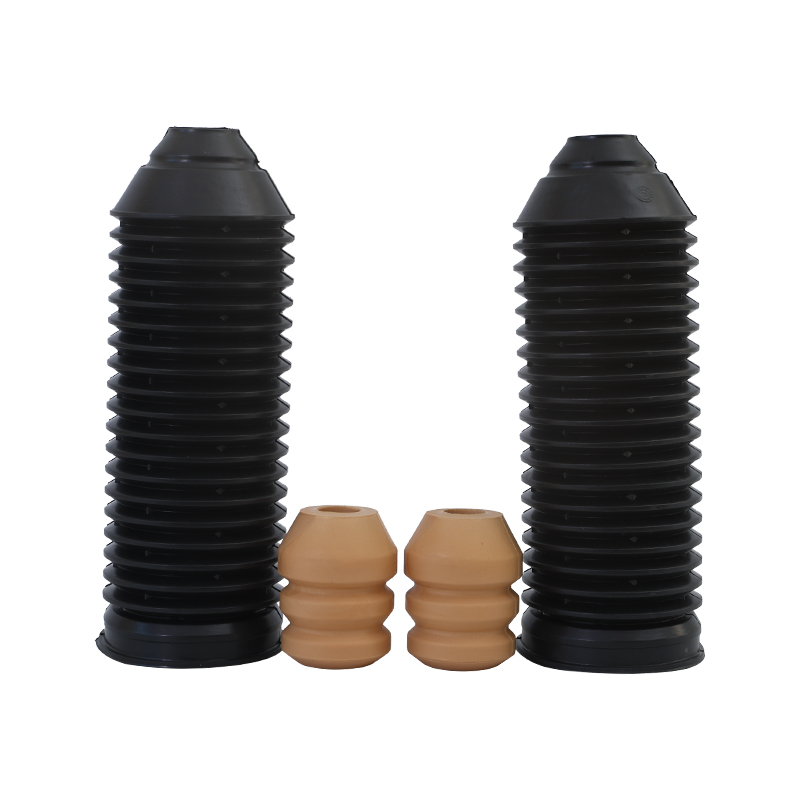
.jpg "HP004 Front Suspension Struts Components-Spring Seat for Buick")
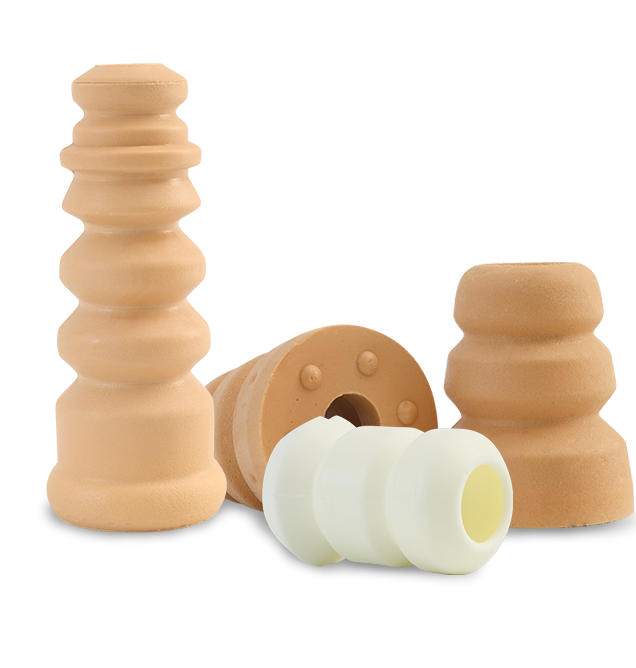
-3.jpg "Are Automotive Bump Stops Necessary? A Comprehensive Guide to Function, Types, and Replacement")
-1.jpg "What is a bump stop in a car, and what is its function in a vehicle's suspension system?")
.jpg "Peugeot Shock Absorber Bump Stop: Function, Replacement, and Common Issues")



