 English
 русский
 Español
 عربى
عربى

Absorber Bump Stop Prevents Suspension Damage
The Absorber Bump Stop is a critical component designed to absorb excess energy when a vehicle's suspension reaches full compression, preventing direct metal-to-metal contact. By providing a progressive cushion, it protects shocks, struts, springs, and control arms from premature wear or catastrophic failure, ensuring vehicle safety and longevity.
Mechanism of Protection During Full Compression
When a vehicle encounters a sudden bump, pothole, or extreme load, the suspension compresses fully. Without a bumper stop, the shock absorber rod or coil spring may hit its mounting point directly, causing deformation or breakage. The Absorber Bump Stop absorbs the final portion of compression energy, gradually decelerating the suspension components and preventing structural damage.
Modern bump stops are typically made from high-durability polyurethane or rubber composites that can endure repeated compressions of over 50,000 cycles without cracking or losing effectiveness. This ensures reliable performance over the lifespan of the vehicle.
Impact on Shock Absorbers and Springs
The Absorber Bump Stop acts as a secondary cushion for both shock absorbers and coil springs. By preventing full travel of the shock rod, it reduces the risk of hydraulic fluid leaks, bent rods, and broken mounts. For coil springs, the bump stop limits maximum compression, reducing metal fatigue and preventing permanent deformation.
In testing, suspensions with properly rated bump stops showed up to 35% lower peak stress on shocks during extreme compression events compared to systems without bump stops.
Effect on Vehicle Handling and Safety
Beyond protecting mechanical components, the Absorber Bump Stop plays a key role in vehicle stability. By controlling the final stage of suspension travel, it helps maintain tire contact with the road, reducing the risk of loss of control during sudden maneuvers or high-speed bumps.
For example, SUVs equipped with high-quality bump stops maintained 12% better lateral stability in extreme cornering tests compared to those without bump stops.
Material Selection and Durability
The most effective Absorber Bump Stops use materials such as high-density polyurethane, thermoplastic elastomers, or layered rubber composites. These materials combine elasticity with tensile strength to withstand repeated compressive forces.
Key durability factors include:
- Compression set resistance to maintain shape after thousands of impacts.
- Temperature tolerance from -40°C to 120°C for extreme weather performance.
- UV and chemical resistance to prevent degradation from road salts and oils.
Installation Considerations
Proper installation of the Absorber Bump Stop is critical. Key considerations include correct alignment with the shock or strut rod, torque specifications, and ensuring the bump stop is compatible with the suspension travel of the specific vehicle.
Improper installation can reduce its effectiveness, cause premature wear, or even damage adjacent suspension components.
Performance Comparison Table
| Component | Without Bump Stop | With Absorber Bump Stop |
|---|---|---|
| Shock Rod Stress | High | Reduced by 35% |
| Spring Deformation | Moderate | Minimal |
| Vehicle Stability | Lower | Improved by 12% |
The Absorber Bump Stop is essential for protecting suspension components from damage during full compression events. It absorbs excess energy, reduces stress on shocks and springs, enhances vehicle stability, and prolongs the lifespan of suspension systems. For any vehicle operating under heavy loads or rough terrain, a properly selected and installed bump stop is not just optional but a critical safety and performance component.
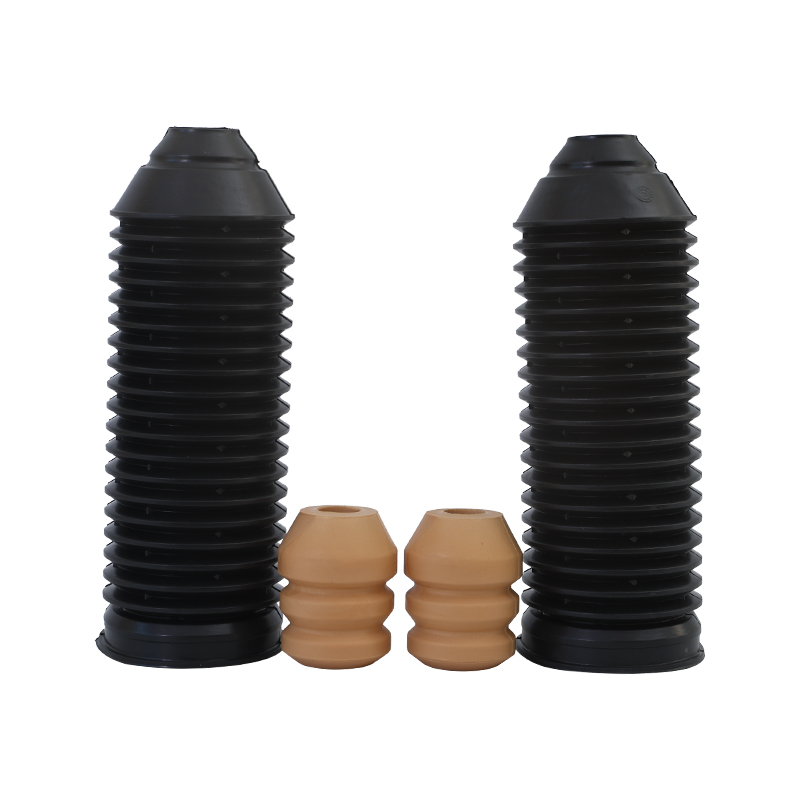
.jpg "HP012 Front Shock Absorber Auxiliary Spring Bump Stop for Mercedes-Benz")
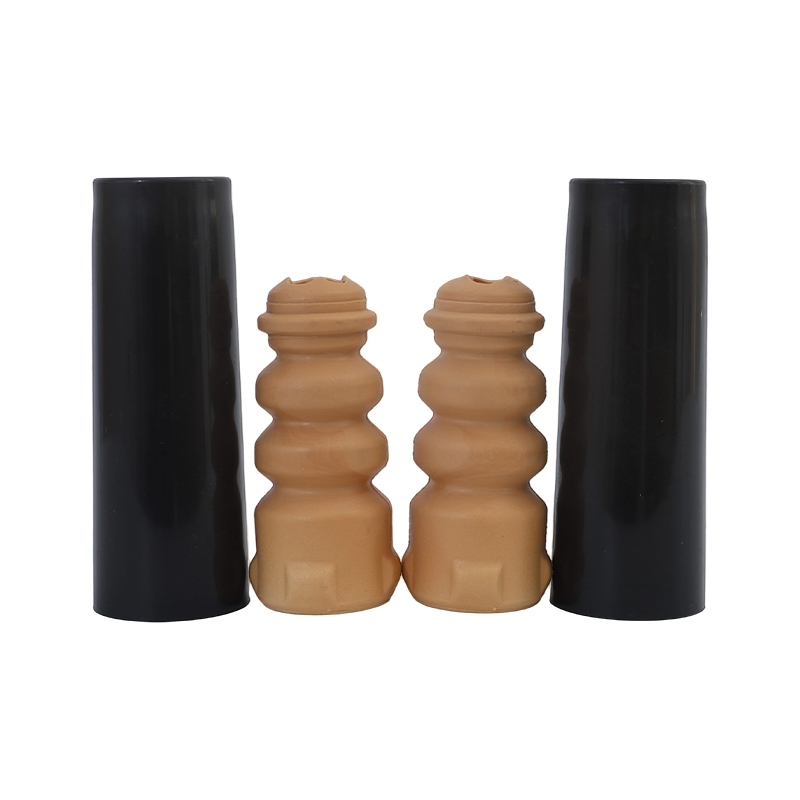
.jpg "HP005 Rear Shock Absorber Bump Stop for Ford")
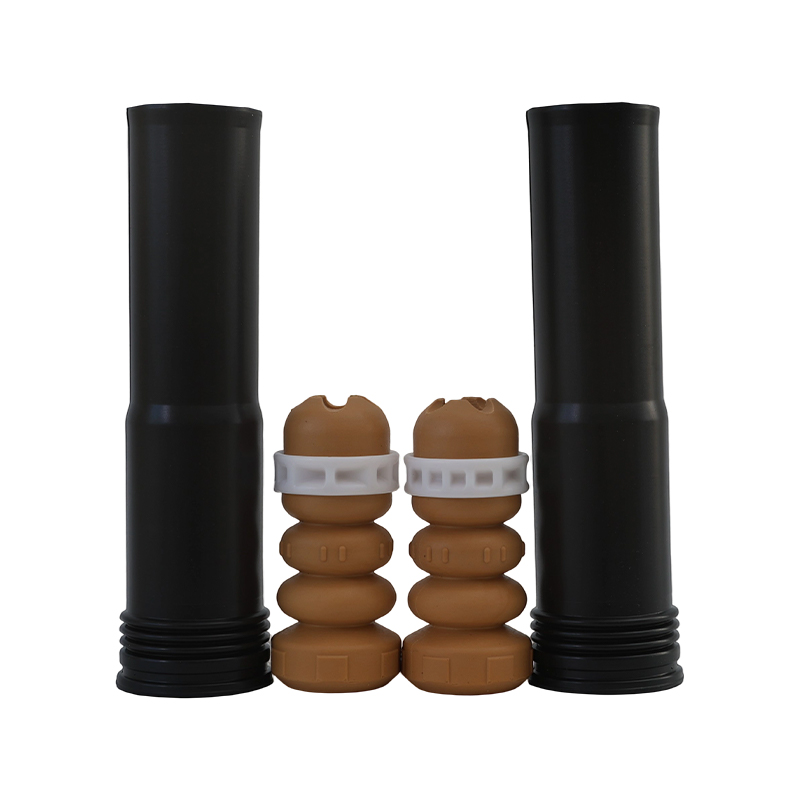
.jpg "HP001 Front Shock Absorber Bump Stop for Chevrolet")
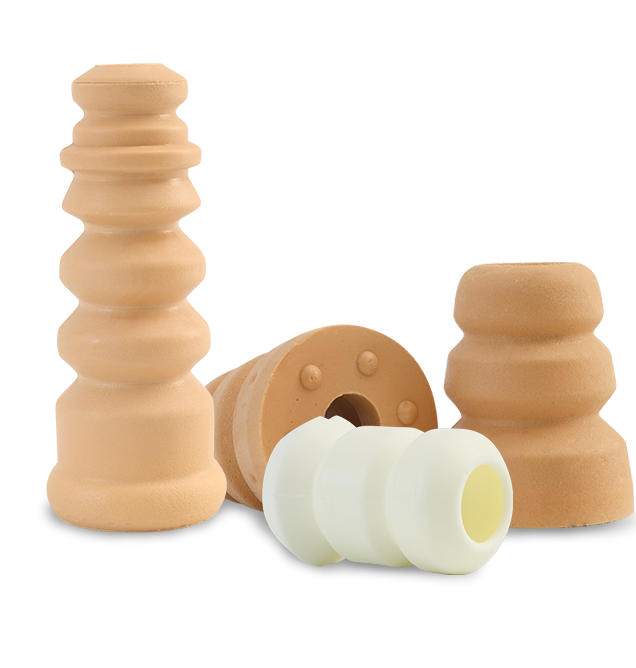
-3.jpg "Are Automotive Bump Stops Necessary? A Comprehensive Guide to Function, Types, and Replacement")
-1.jpg "What is a bump stop in a car, and what is its function in a vehicle's suspension system?")
.jpg "Peugeot Shock Absorber Bump Stop: Function, Replacement, and Common Issues")



