 English
 русский
 Español
 عربى
عربى

Temperature Significantly Alters Bump Stop Performance
Temperature variation has a direct and measurable impact on the elasticity and performance of the Front/Rear Absorber Bump Stop. In low temperatures, bump stops become stiffer and less flexible, reducing their ability to absorb impact effectively. In high temperatures, they soften, which can lead to excessive compression and reduced structural support. These changes influence ride comfort, suspension protection, and component longevity.
For example, polyurethane bump stops can experience a stiffness increase of up to 30–50% in sub-zero conditions, while extreme heat above 80°C may reduce stiffness by 20–40%, depending on material composition.
Material Behavior Under Temperature Changes
The Front/Rear Absorber Bump Stop is typically made from rubber, polyurethane, or microcellular foam. Each material reacts differently to temperature fluctuations due to its molecular structure.
Cold Temperature Effects
- Reduced elasticity and increased hardness
- Higher risk of cracking under repeated stress
- Less effective energy absorption during sudden impacts
High Temperature Effects
- Increased softness and deformation
- Reduced rebound capability
- Accelerated material degradation over time
Impact on Suspension Performance
The Front/Rear Absorber Bump Stop acts as a secondary spring during extreme suspension compression. Temperature-induced changes in elasticity directly affect how this component performs under load.
In cold climates, the increased stiffness means the bump stop engages more abruptly, creating a harsher ride and transmitting more force to the chassis. In contrast, in hot environments, the bump stop compresses too easily, reducing its ability to prevent bottoming out.
This imbalance can lead to premature wear of shock absorbers, springs, and mounting components.
Quantitative Comparison of Temperature Effects
| Temperature Range | Elasticity Change | Performance Impact |
|---|---|---|
| Below 0°C | +30% to +50% stiffness | Harsh ride, reduced damping |
| 0°C – 25°C | Optimal elasticity | Balanced performance |
| Above 50°C | -20% to -40% stiffness | Excessive compression, reduced protection |
Real-World Driving Scenarios
Temperature effects on the Front/Rear Absorber Bump Stop become especially noticeable in specific driving environments:
- Winter driving: Increased stiffness leads to more noticeable impact when hitting potholes or speed bumps.
- Desert or high-temperature regions: Softer bump stops may fail to prevent full suspension compression under heavy loads.
- Performance driving: Temperature fluctuations during track use can dynamically alter bump stop response, affecting handling consistency.
Material Selection and Engineering Solutions
Manufacturers design Front/Rear Absorber Bump Stops to minimize temperature sensitivity through advanced materials and engineering techniques.
Common Solutions
- Use of temperature-resistant polyurethane blends
- Incorporation of microcellular structures for progressive compression
- Addition of protective dust boots to reduce thermal exposure
High-performance bump stops are often engineered to maintain consistent behavior within a range of -40°C to 120°C.
Maintenance and User Recommendations
To ensure optimal performance of the Front/Rear Absorber Bump Stop across temperature variations, users should follow practical maintenance guidelines:
- Inspect bump stops during seasonal tire changes
- Replace components showing cracks, hardening, or excessive softness
- Choose materials rated for your local climate conditions
- Consider upgraded bump stops for extreme environments
The elasticity and effectiveness of the Front/Rear Absorber Bump Stop are highly sensitive to temperature changes. Cold conditions increase stiffness and reduce impact absorption, while high temperatures soften the material and compromise structural support.
Understanding these effects allows users to make informed decisions about material selection, maintenance, and upgrades, ultimately improving ride quality, safety, and suspension durability across all driving conditions.
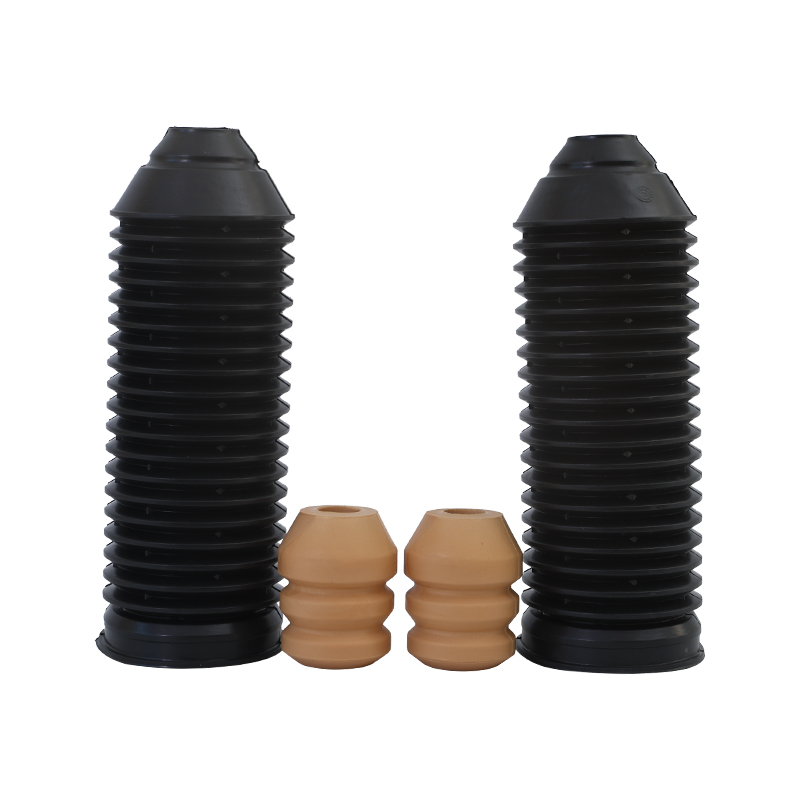
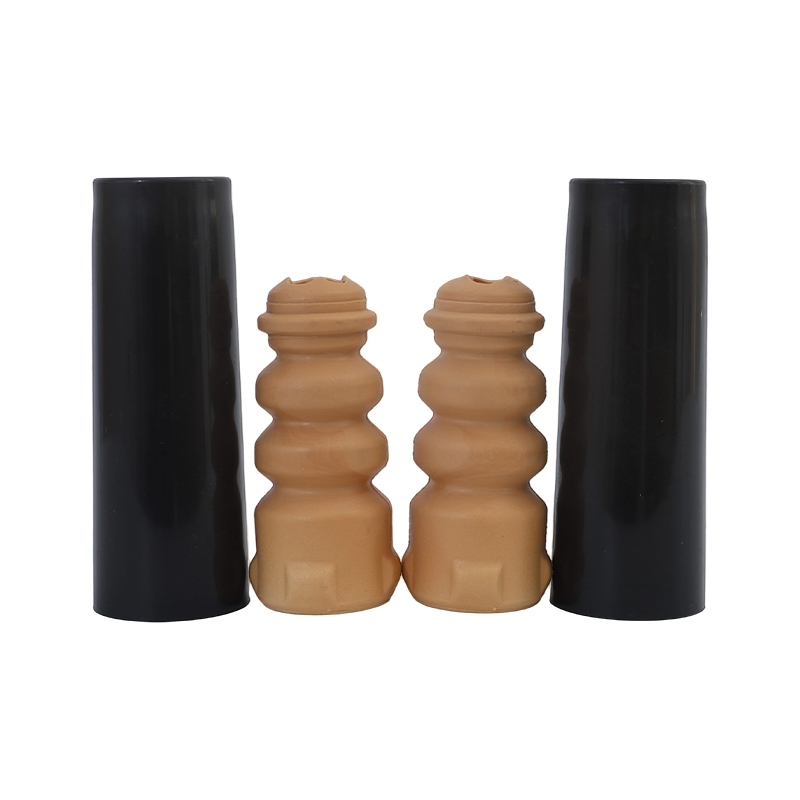
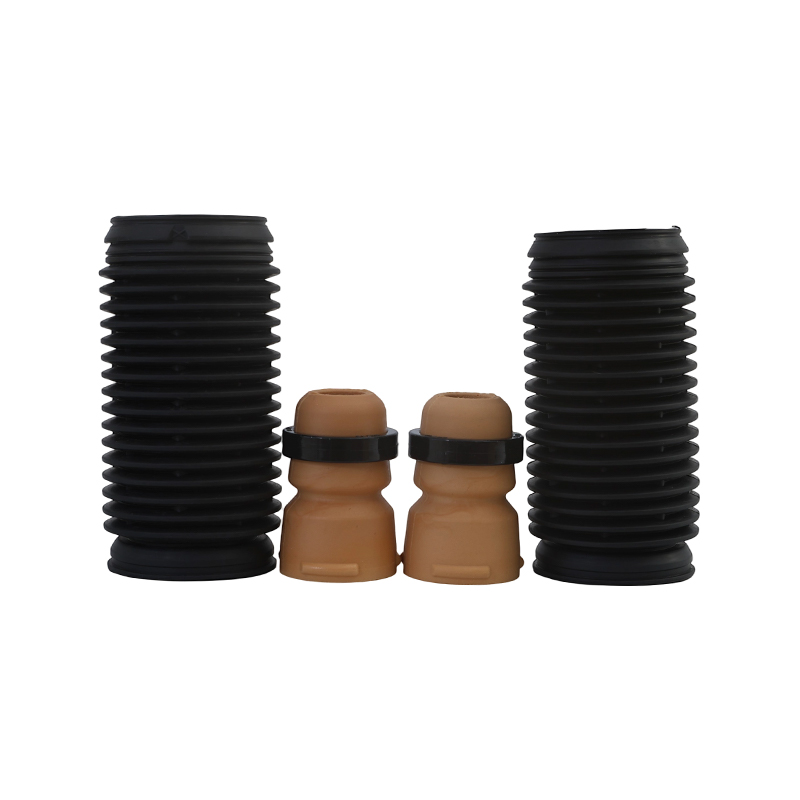
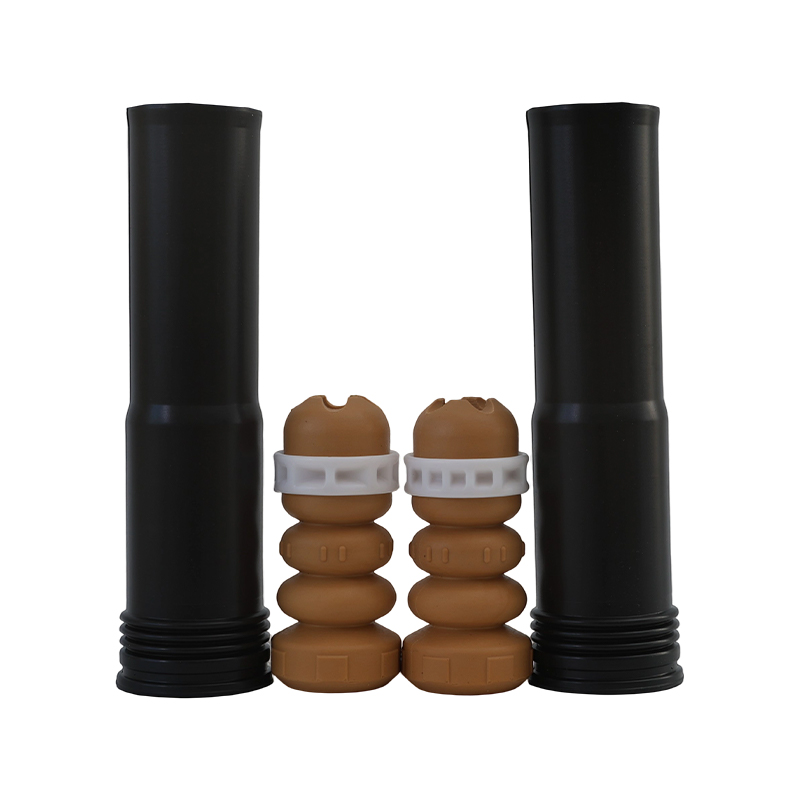
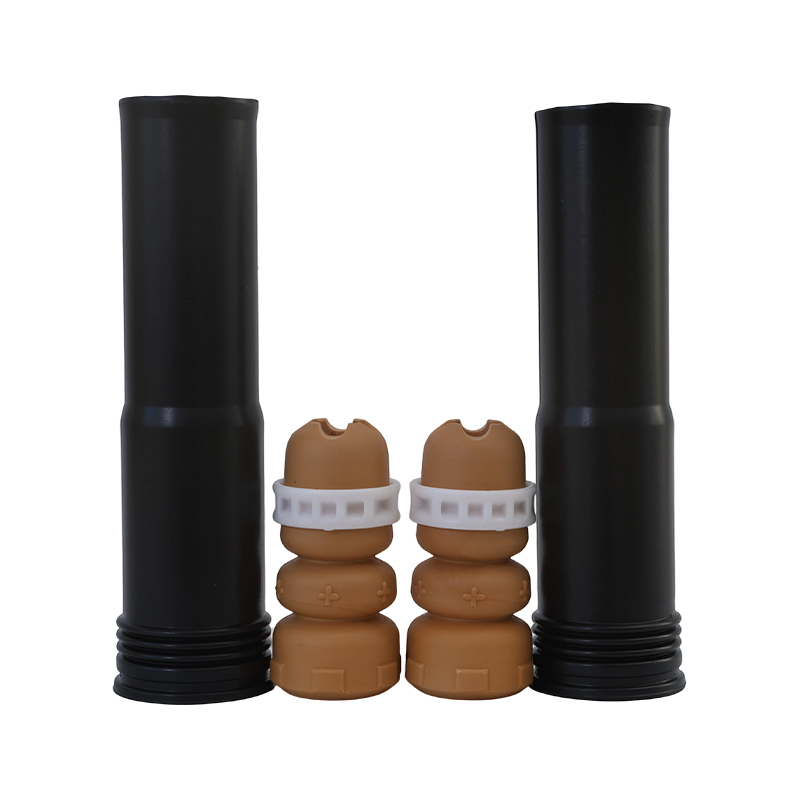
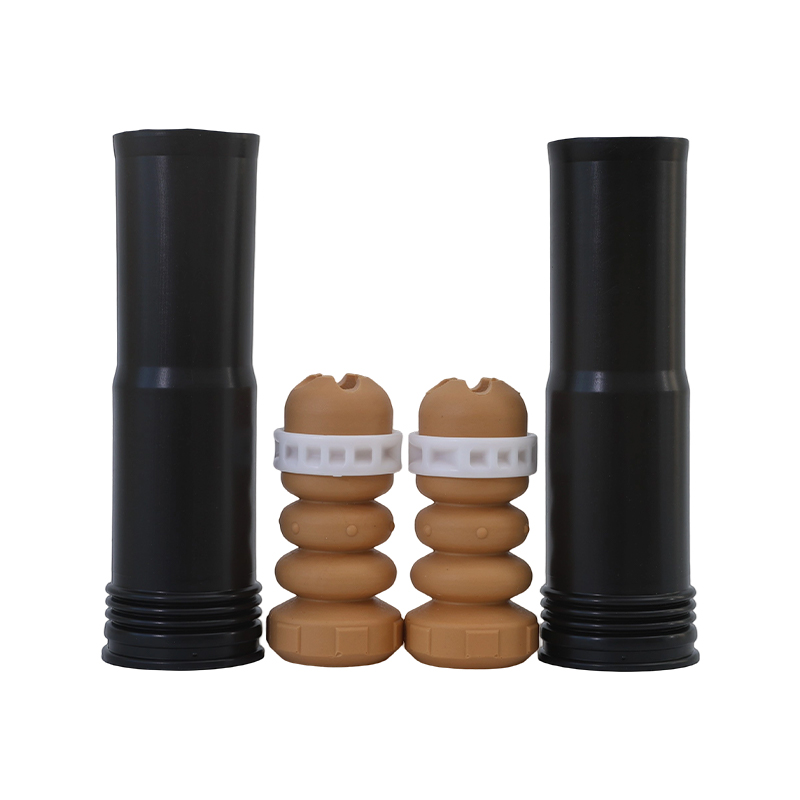
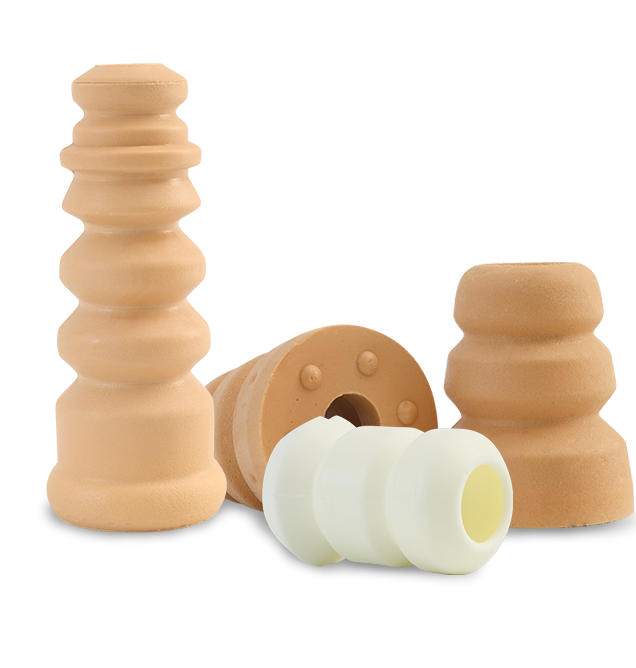
-3.jpg "Are Automotive Bump Stops Necessary? A Comprehensive Guide to Function, Types, and Replacement")
-1.jpg "What is a bump stop in a car, and what is its function in a vehicle's suspension system?")
.jpg "Peugeot Shock Absorber Bump Stop: Function, Replacement, and Common Issues")



