 English
 русский
 Español
 عربى
عربى

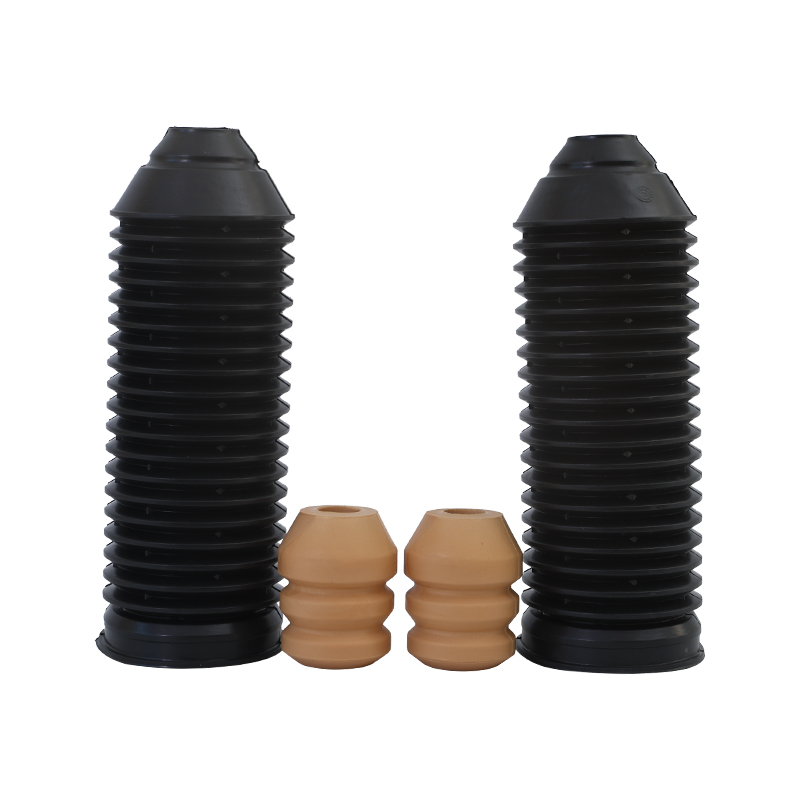
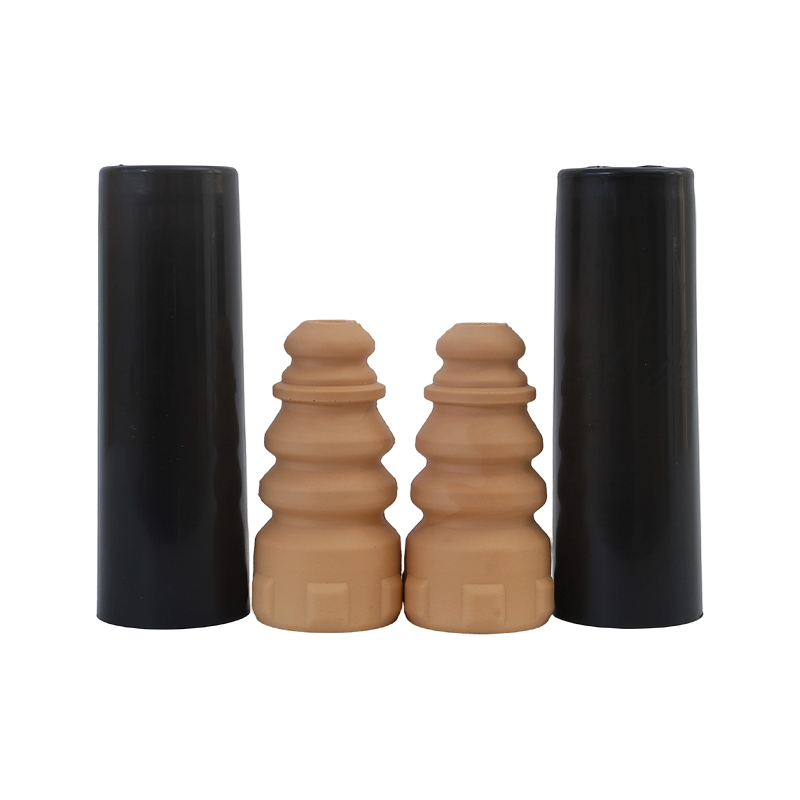
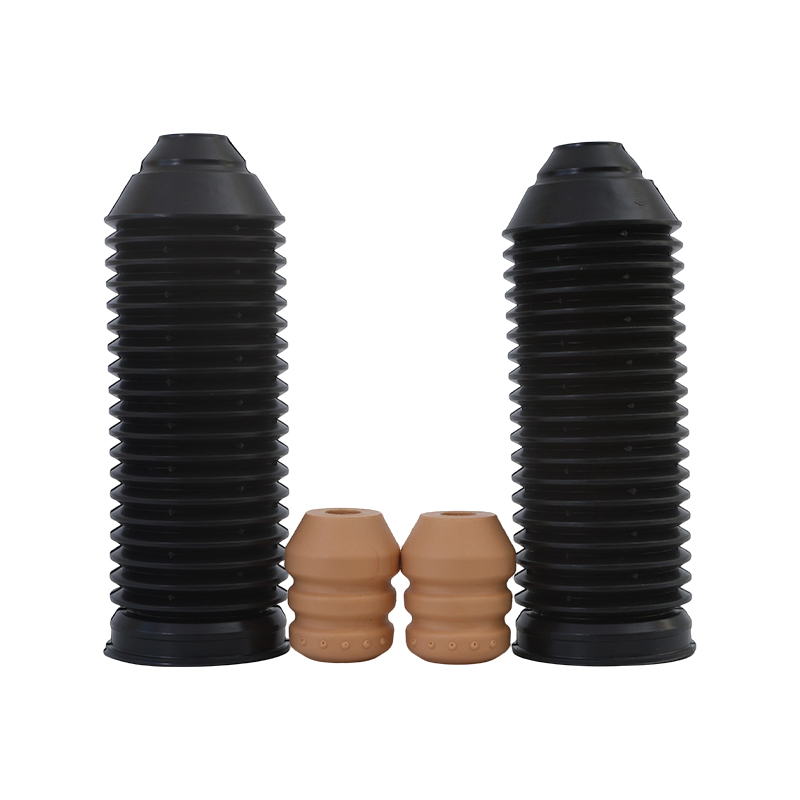
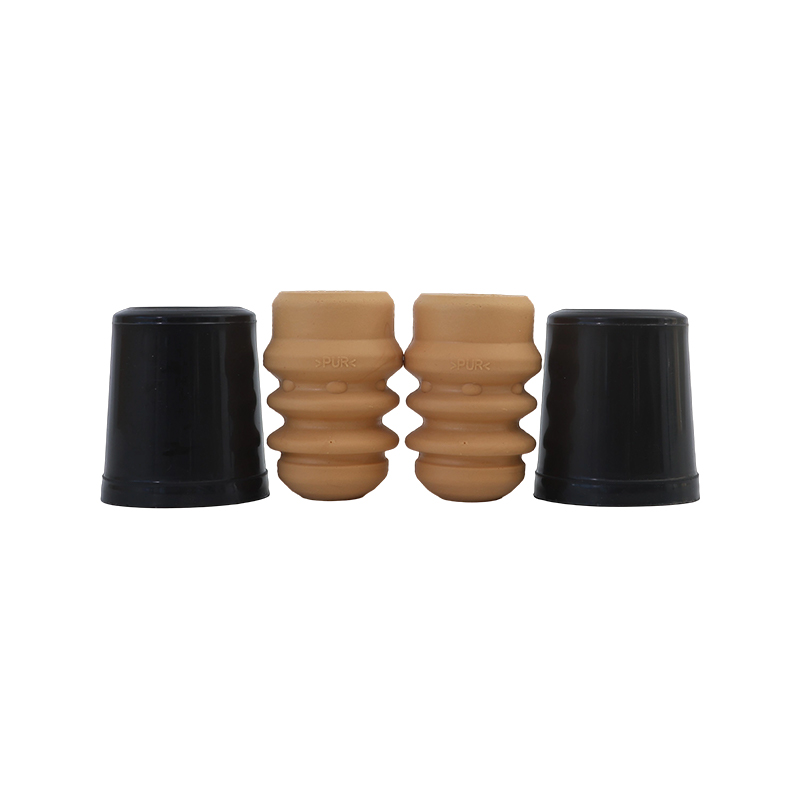
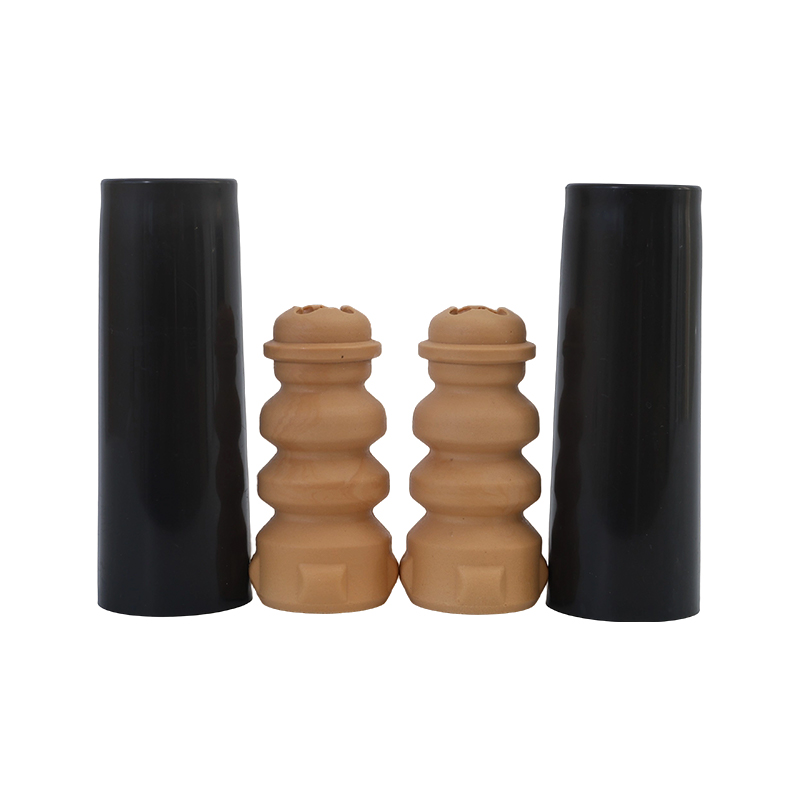
The performance of an Automotive Bump Stop varies significantly between front and rear suspension systems. Front Automotive Bump Stops are primarily designed to manage steering loads, braking forces, and initial compression of the front suspension, while rear Suspension Bump Stops handle heavier load transfers during acceleration, towing, and cargo weight. This distinction affects vehicle handling, ride comfort, suspension durability, and overall safety.
Using the correct Suspension Bump Stop for each axle ensures that both the front and rear suspension can absorb energy efficiently without causing chassis damage. Improperly selected or worn bump stops, whether front or rear, may lead to harsh impacts, bottoming out, and accelerated wear of shocks and struts.
Function of Automotive Bump Stops in Suspension Systems
An Automotive Bump Stop serves as a secondary suspension limiter that prevents over-compression of shocks and struts. Suspension Bump Stops absorb excess kinetic energy when the vehicle encounters large bumps or potholes, protecting suspension components and the chassis. They are made from rubber, polyurethane, or hybrid composite materials that can handle repetitive compression cycles.
Front Suspension Bump Stops are shorter and softer, designed to provide precise handling and responsiveness under braking and cornering. Rear Automotive Bump Stops are typically taller and firmer to accommodate heavy payloads or towing. Data from OEM testing shows that rear bump stops can absorb up to 30% more energy than front bump stops under maximum load conditions, demonstrating their critical role in vehicle stability.
In vehicles equipped with adaptive suspension, the integration of front and rear Suspension Bump Stops is even more important, as the bump stops work in tandem with electronic damping to maintain ride quality and prevent sudden chassis impacts.
Design Differences Between Front and Rear Automotive Bump Stops
The geometry and material properties of Automotive Bump Stops vary between front and rear suspension systems. Front Suspension Bump Stops are designed to react quickly to small impacts while maintaining steering precision. They often have a smaller diameter and lower compression height to allow rapid travel under light front axle loads.
Rear Automotive Bump Stops are built to handle higher loads from passengers, cargo, or trailer towing. They typically feature higher density polyurethane to withstand extreme compression. For instance, a midsize pickup truck may have front bump stops with 55mm height and medium density rubber, whereas the rear bump stops may measure 80mm and use high-density polyurethane to support a 1000-pound payload without bottoming out.
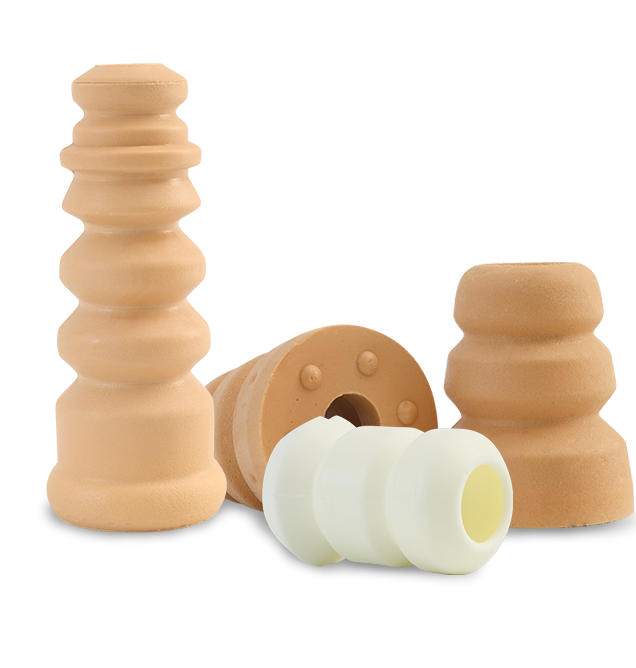
Additionally, the tapering and shape of Suspension Bump Stops influence energy absorption curves. Conical or progressive bump stops allow gradual compression, reducing sudden jolts and protecting suspension components while maintaining ride comfort.
Impact on Ride Comfort and Handling
The interaction between front and rear Automotive Bump Stops directly affects ride comfort and vehicle handling. Front bump stops reduce harshness over small potholes and uneven surfaces, maintaining precise steering and wheel alignment. Rear Suspension Bump Stops influence load-bearing stability during acceleration and heavy cargo transport.
Vehicles with worn rear bump stops often experience "rear-end bottoming," where the suspension reaches full compression too quickly. This results in uncomfortable jolts and potential damage to the rear axle, shocks, and leaf springs or coilovers. Conversely, overly stiff front bump stops can make the steering feel harsh, reducing front wheel contact with the road and compromising handling safety.
Modern suspension systems often tune the front and rear Automotive Bump Stops differently to balance handling and comfort. High-performance sports cars may use progressive front Suspension Bump Stops to optimize cornering, while SUVs and trucks use firmer rear bump stops for payload support.
Load Management and Energy Absorption
Bump stops serve as a secondary suspension limit, absorbing energy that primary shocks cannot handle. Rear Suspension Bump Stops are engineered to endure up to 30% higher energy absorption than front bump stops under heavy load. This ensures that both front and rear suspension maintain structural integrity and reduce stress on shock absorbers.
The following table summarizes key differences between front and rear Automotive Bump Stops:
| Suspension Location | Typical Height (mm) | Material / Density | Energy Absorption |
|---|---|---|---|
| Front | 50–60 | Medium / Rubber or Polyurethane | Baseline |
| Rear | 70–80 | High / Polyurethane | +20–30% |
Installation and Maintenance Considerations
Correct installation of Automotive Bump Stops is crucial for optimal suspension performance. Front Suspension Bump Stops are generally easier to access, while rear bump stops, especially in multi-link or leaf-spring setups, may require partial suspension disassembly.
Routine inspection of both front and rear Automotive Bump Stops ensures long-term performance. Signs of wear include cracks, compression set, and hardening of the rubber or polyurethane material. Rear bump stops in trucks and SUVs should typically be replaced every 60,000–80,000 miles if used for towing or heavy payloads.
Automotive Bump Stops and Suspension Bump Stops play distinct yet complementary roles in vehicle suspension systems. Front bump stops maintain steering precision and mitigate harshness during braking, while rear bump stops handle load-bearing, towing, and acceleration forces. Understanding the differences in design, energy absorption, and maintenance ensures safer, more comfortable, and more stable driving experiences across all vehicle types. Proper selection, installation, and routine inspection of both front and rear bump stops are essential for maximizing suspension longevity and overall vehicle performance.

-3.jpg "Are Automotive Bump Stops Necessary? A Comprehensive Guide to Function, Types, and Replacement")
-1.jpg "What is a bump stop in a car, and what is its function in a vehicle's suspension system?")
.jpg "Peugeot Shock Absorber Bump Stop: Function, Replacement, and Common Issues")



