 English
 русский
 Español
 عربى
عربى

Impact Absorption and Travel Control
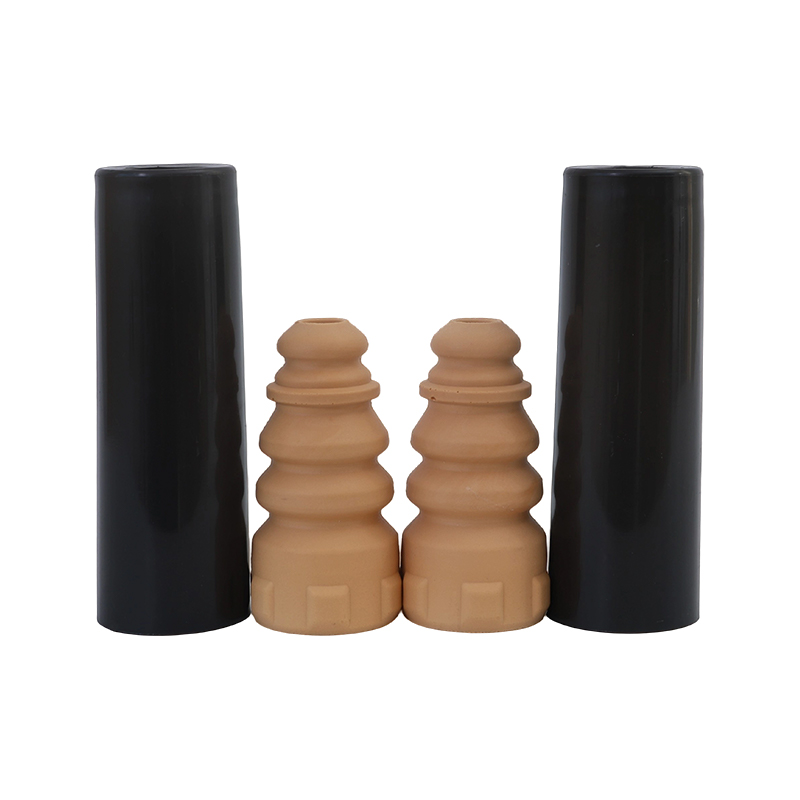
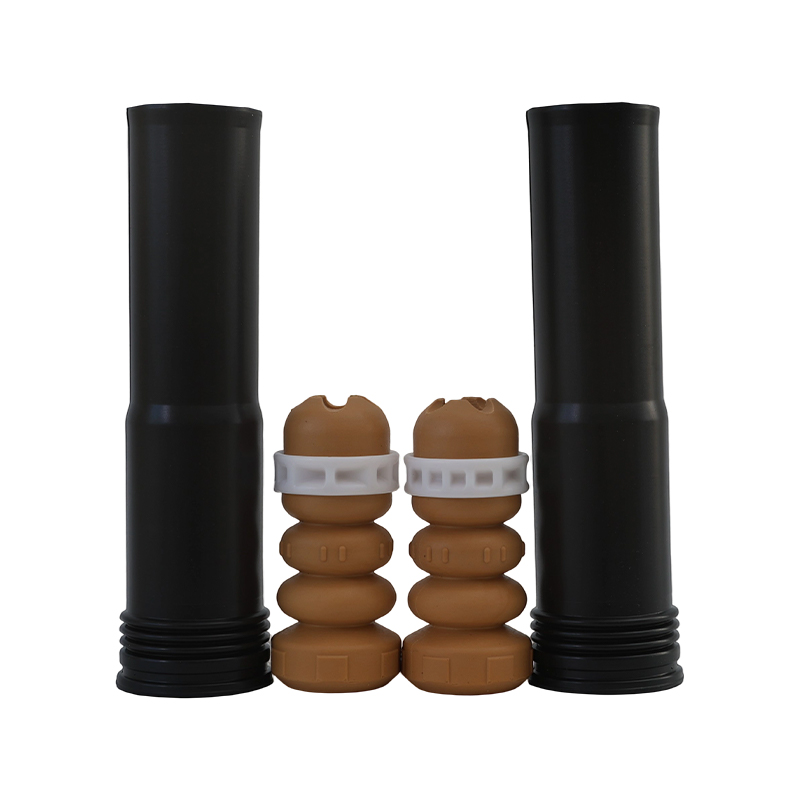
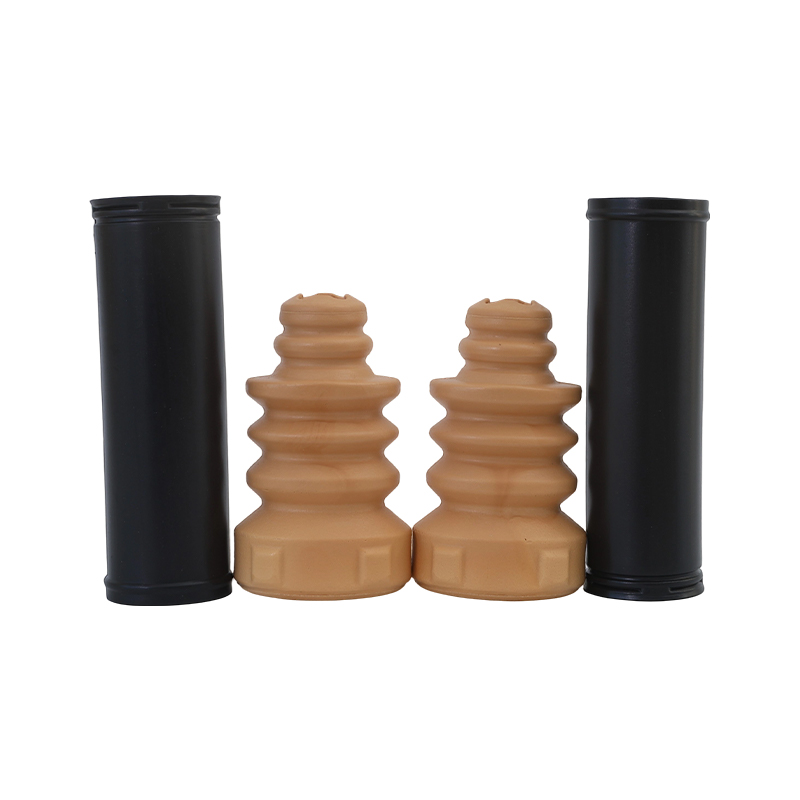
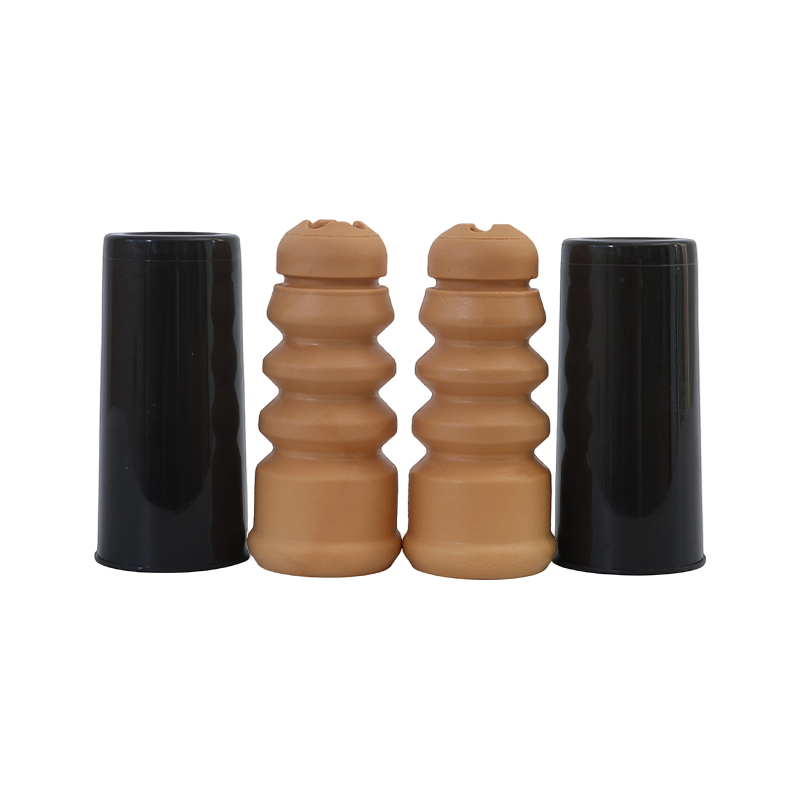
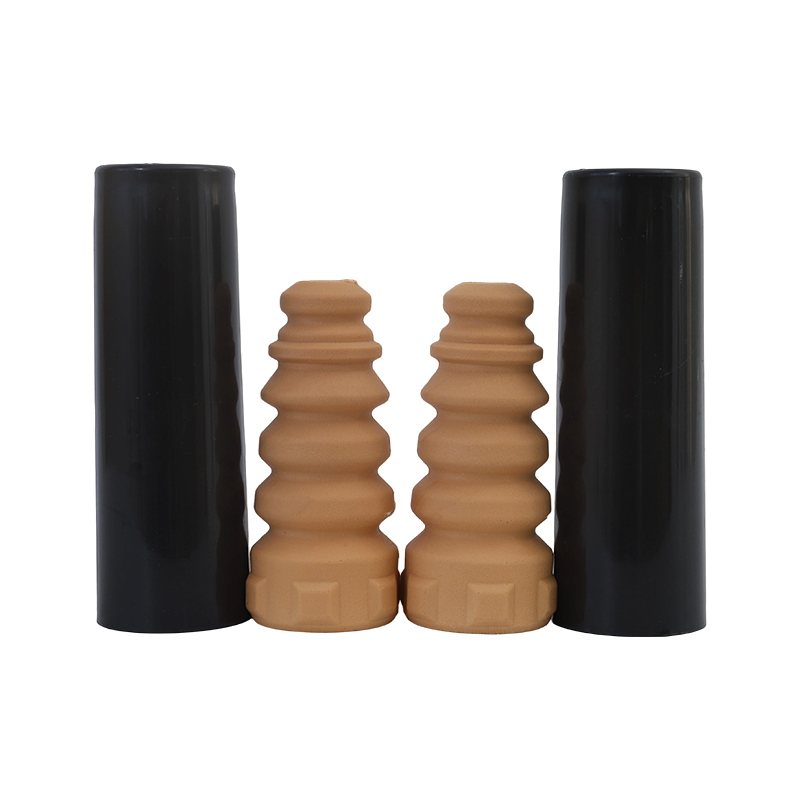
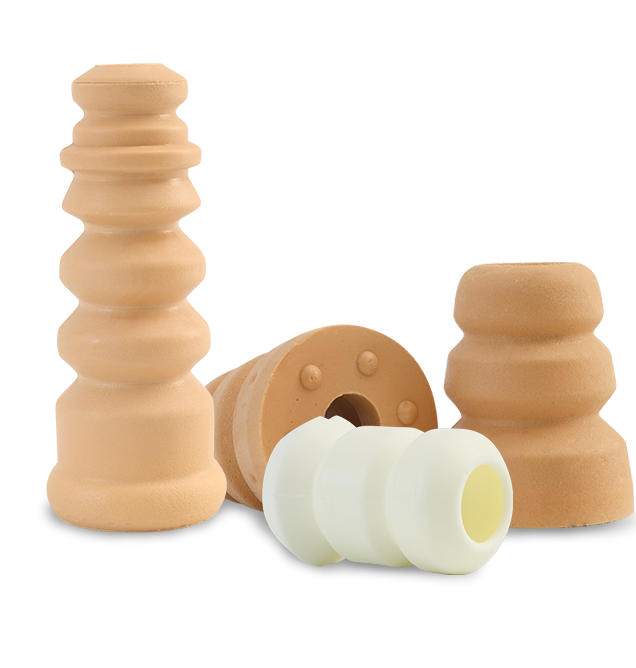
The size of Rear Shock Absorber Bump Stop plays a critical role in its ability to absorb shock and control suspension travel. A larger bump stop offers a greater surface area to absorb impact, providing more effective cushioning before the suspension reaches its limits. When a larger bump stop is used, the suspension system is less likely to bottom out under heavy loads or sudden impacts, allowing for a smoother deceleration and reducing the risk of damage to suspension components. Conversely, a smaller bump stop might engage too abruptly, causing the suspension to reach its maximum compression faster. This can result in a harsher, less comfortable ride, especially in situations where sudden or severe shocks are common, such as off-roading or high-speed driving. The shape of the bump stop also affects the way it absorbs impact. A tapered or concave shape allows for a more progressive compression, which means that the bump stop will initially absorb shocks gently and then engage more firmly as the compression increases. This progressive engagement helps to enhance ride quality by ensuring a smoother transition from soft to firm impact absorption, thus preventing abrupt movements that could otherwise affect ride stability and passenger comfort.
Suspension Travel and Bottoming Out Prevention
The size and shape of the bump stop are directly related to the amount of suspension travel available before the system reaches its maximum compression point. A larger bump stop allows the suspension to travel further before the bump stop engages, providing more leeway for the shock absorber or spring to compress under load. This extended travel is particularly important for vehicles used in off-roading or towing, where the suspension is often subjected to higher forces. By increasing the amount of travel before bottoming out, a larger bump stop ensures that the vehicle’s suspension can handle harsh impacts without causing damage to the vehicle's chassis or suspension components. On the other hand, a smaller bump stop limits the amount of suspension travel, which can be beneficial for performance vehicles that require precise handling and a firmer ride. A smaller bump stop will engage more quickly, limiting excessive suspension compression and providing a firmer, more controlled response. However, in heavy-duty applications, this can lead to a higher risk of bottoming out, which could damage the suspension or negatively affect vehicle handling.
Ride Comfort and Noise, Vibration, Harshness (NVH)
The size and shape of the bump stop have a significant impact on the overall ride comfort and NVH characteristics of the vehicle. A larger bump stop made from softer materials can provide better absorption of bumps and shocks, which helps to improve comfort by reducing harsh impacts. This is especially important for vehicles that are frequently used in rough terrains, where large and frequent shocks are common. A bump stop with a progressively shaped design can enhance this effect by offering softer resistance during the initial phase of compression and progressively firmer resistance as the shock increases. This progression smoothens the ride, reducing the overall discomfort that can result from sudden, sharp impacts. Smaller bump stops, especially those made from firmer materials, provide a more immediate and direct response to compression. While this may be desirable in performance vehicles for a firmer ride and improved handling, it can increase NVH, as the suspension may transmit more vibration and noise into the cabin. Therefore, for applications where ride comfort is crucial, such as off-roading or long-distance driving, a larger, softer bump stop can help in reducing noise, vibration, and harshness, leading to a more comfortable driving experience.
Load Handling and Towing Capabilities
When it comes to handling increased loads, the size and shape of the bump stop become even more important. A larger bump stop is better equipped to handle the additional weight from towing or carrying heavy loads. Its increased surface area allows it to compress gradually, providing more cushioning under stress. This helps prevent the suspension from bottoming out under heavy loads, thereby protecting the vehicle’s suspension components and frame from potential damage. The progressive compression provided by larger bump stops ensures that the load is distributed evenly and that the vehicle remains stable, even when under heavy stress. This is particularly beneficial for vehicles used for towing, where constant weight shifts and sudden changes in load can put a strain on the suspension system. For lighter vehicles or those primarily used for standard driving, smaller bump stops may suffice. However, when towing or carrying heavy payloads, smaller bump stops may not offer sufficient cushioning, leading to a less stable and more uncomfortable ride. In these cases, a larger bump stop ensures that the vehicle’s suspension can handle the additional stress without causing damage or compromising ride quality.
Customization for Different Driving Conditions
The size and shape of the bump stop can be tailored to the specific driving conditions and requirements of the vehicle. For example, off-road vehicles and trucks that frequently encounter rough terrain often benefit from larger, more robust bump stops that can absorb significant impacts from uneven surfaces. These larger bump stops also provide more suspension travel, which is essential for maintaining stability and comfort on rugged trails or uneven roads. On the other hand, high-performance sports cars or vehicles used primarily on smooth highways may use smaller, firmer bump stops that provide quicker and more precise response, allowing for sharper handling and better control during aggressive driving. The shape of the bump stop can also be optimized for specific conditions. For example, tapered bump stops provide a smoother transition from soft to firm engagement, which is ideal for applications that require both comfort and control, such as off-roading. By customizing the size and shape of the bump stop to suit specific driving environments, vehicle manufacturers and aftermarket suppliers can ensure that the suspension system performs optimally across a range of conditions, from smooth highways to rugged trails.
.jpg "HP022 Rear Shock Absorber Bumper for Land Rover")
-3.jpg "Are Automotive Bump Stops Necessary? A Comprehensive Guide to Function, Types, and Replacement")
-1.jpg "What is a bump stop in a car, and what is its function in a vehicle's suspension system?")
.jpg "Peugeot Shock Absorber Bump Stop: Function, Replacement, and Common Issues")



